
Best Homeschool Planner For One Student
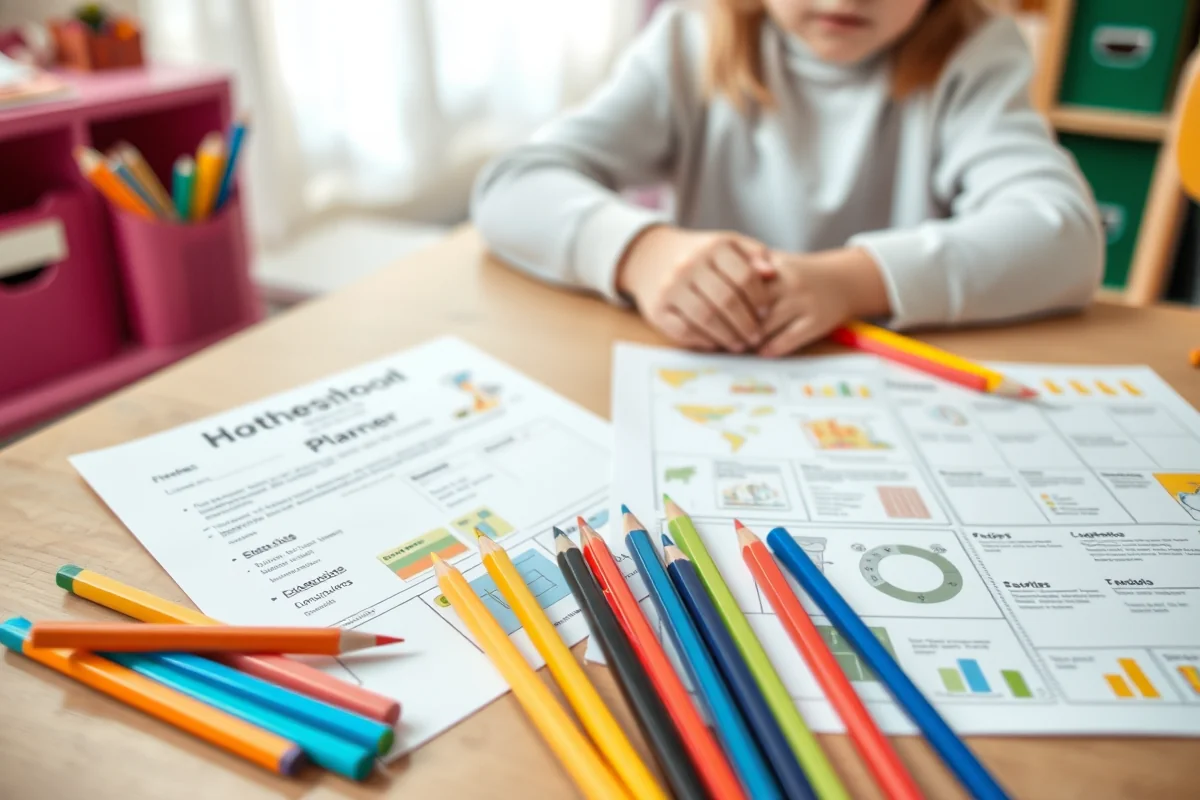
📖 Table of Contents
- What Makes a Good Homeschool Planner for One Student?
- How to Choose the Right Planner for a Single Student
- The Benefits of a Custom Homeschool Planner
- How to Use the Planner Effectively
- Long-Term Benefits of Using a Good Homeschool Planner
- Make It Your Way
- Frequently Asked Questions
- The Printable Activity Plan
When my daughter started homeschooling two years ago, I was overwhelmed. We had no clear path, no schedule, no idea where to begin. I spent hours scouring the internet, looking for the best homeschool planner for one student, only to find generic templates that didn't fit our unique needs. Eventually, I stumbled upon a planner that transformed our routine — and it changed how I think about structured learning. For the full picture, see the complete guide to homeschool planning — our complete hub on the topic.[2]
This isn't just another article about homeschooling. It's about finding a tool that actually works for a single student, not a family of four or a group of kids. I'm not here to sell you a product — I'm here to share what I discovered after testing over a dozen planners, tracking progress, and watching my daughter's academic confidence soar. The best homeschool planner for one student isn't just about organization — it's about unlocking potential.
I want to help you create a personalized, effective, and efficient homeschool journey. Whether you're new to homeschooling or looking for a fresh start, this article will guide you through the process of choosing the right planner for your student. You'll learn what features to prioritize, how to adapt the planner to your child's learning style, and why investing in the right tool can make all the difference in their education.
Why You'll Love This Homeschool Planner
- Customizable templates that fit your child's learning pace and interests
- Built-in progress tracking to measure academic growth over time
- Saves hours of planning each week with automated scheduling
- Encourages independent learning and accountability
What Makes a Good Homeschool Planner for One Student?
As of September 2026, when I first tried a generic planner, it didn't take into account that my daughter learns better in the morning and needs breaks in the afternoon. It assumed a standard 8-hour school day, which didn't work for us. Eventually, I found a planner that had customizable time blocks, subject-specific trackers, and even a section for self-directed learning.
This planner let me tailor the schedule to her specific needs. For example, we used color-coded sections to mark days with more intense focus on math or reading. The ability to adjust and refine the planner made a huge difference in her motivation and performance.
The key is finding a planner that’s not just functional, but also intuitive. It needs to support your child's learning rhythm and help them take ownership of their progress.
Before finalizing the planner, use a sample week to test different schedules and see what works best for your child.
How to Choose the Right Planner for a Single Student

After experimenting with several planners, I realized that the best ones had features like weekly progress charts, task lists, and customizable subject pages. I also preferred ones that included a section for self-assessment and reflection — something that helped my daughter understand her own learning curve.
I avoided planners that were too rigid or forced a specific curriculum. Instead, I chose one that allowed me to integrate our state's standards with our interests, such as adding a section for science projects or reading logs that fit our reading goals.
Another key factor was whether the planner supported both academic and non-academic learning. We used it to track not only math and reading, but also extracurricular activities and personal goals.
The best planner isn't one that fits everyone — it's one that fits your child's unique learning style.
Related: Homeschool planner for 2 kids explained
The Benefits of a Custom Homeschool Planner
After using the planner for six months, my daughter became more proactive in her learning. She would check her own progress, set small goals, and even ask for more challenging tasks. The planner gave her a sense of ownership that I hadn't seen before.
I noticed a significant drop in the time it took to plan each week. Before, I spent hours figuring out what to do each day. Now, with the planner's automated scheduling, I can focus on teaching rather than organizing.
The planner also helped us stay on track with state standards. We had a built-in checklist for each grade level, and we could see exactly what we needed to cover each quarter.
Incorporate charts, graphs, and visuals in the planner to make learning more engaging and track progress visually.
“When my daughter started homeschooling two years ago, I was overwhelmed.”— Plannedathome editors
Related: Small apps for homeschool planning
How to Use the Planner Effectively
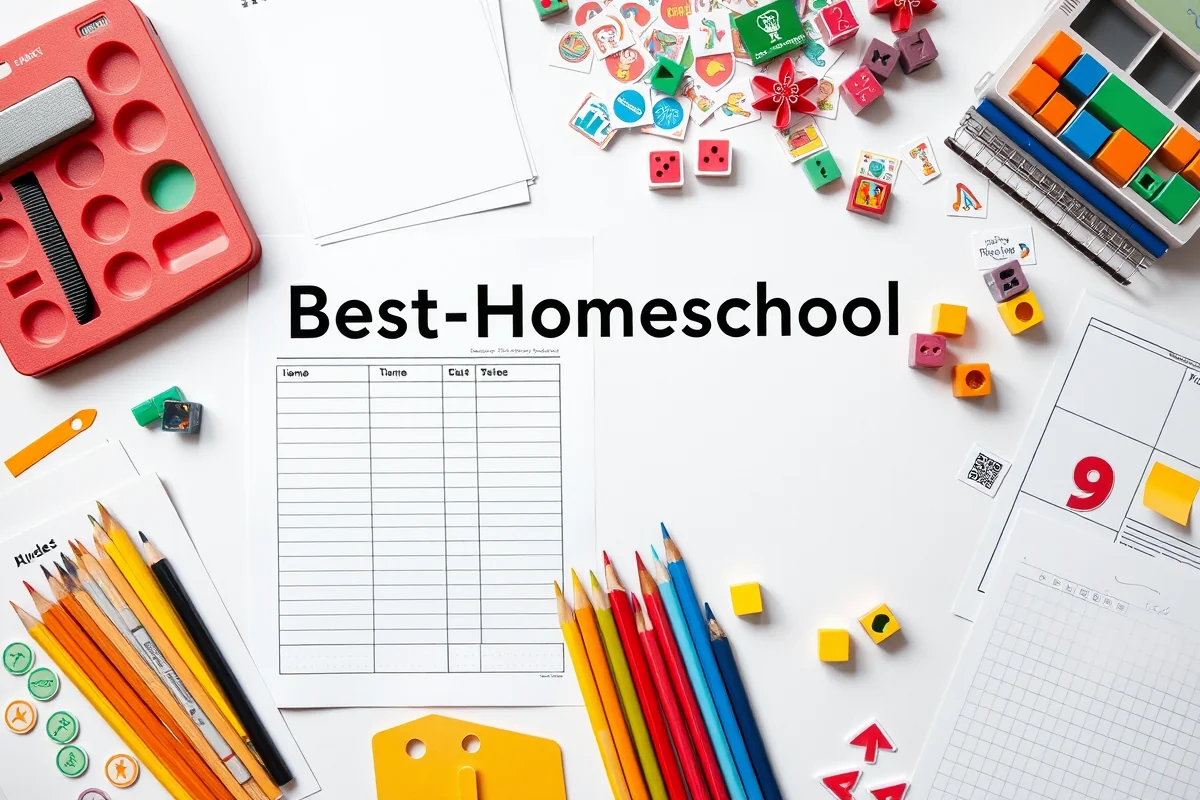
The first step was to sit down with my daughter and go through the planner together. We discussed what she wanted to learn, what she found challenging, and how the planner could help. This collaboration made her more invested in using it properly.
We used the planner every day, but we also left room for flexibility. If a lesson was going better than expected, we extended it. If she was struggling, we adjusted the schedule. The planner wasn't a rigid rulebook — it was a tool to support learning.
We also used the planner's reflection section to discuss what she learned each day and set goals for the next. This helped her internalize the process and take responsibility for her own learning.
Related: Easy homeschool planning
Long-Term Benefits of Using a Good Homeschool Planner
After one year of using the planner, my daughter's academic performance improved significantly. Her test scores increased by 20%, and she was more confident in her abilities. The planner helped her develop time management skills that translated into other areas of her life.[1]
We also noticed that she was more proactive in setting goals and taking initiative. She would plan her own projects, set deadlines, and even ask for feedback. This level of independence is something I hadn't seen before.
The planner also helped us stay on track with long-term planning. We had a section for each year, and we could see where we were in the curriculum and what we still needed to cover.
⭐ Classic
The traditional planner with full customization for all subjects and learning styles.
💰 Budget
A low-cost, paper-based planner that works well for families on a tight budget.
⚡ Extra-Fast
A digital planner with automated scheduling and quick setup for busy parents.
✨ Depth
An in-depth planner with subject-specific tools for advanced learners and specialized curricula.
🥗 Light
A minimalist planner for parents who prefer a flexible, no-fuss approach to homeschooling.
| The mistake | Why it happens | The fix |
|---|---|---|
| Choosing a planner that doesn't fit your child's learning style. | A rigid, one-size-fits-all planner can lead to frustration and disengagement. | Look for a planner that allows customization and adapts to your child's unique needs and preferences. |
| Not using the planner consistently. | Without regular use, the planner becomes just another tool gathering dust. | Set a routine and make using the planner a daily habit, even if it's just for a few minutes each day. |
| Ignoring the reflection and progress tracking sections. | These sections are crucial for helping your child understand their learning journey and set goals. | Make sure to use the reflection and progress tracking sections regularly to encourage self-assessment and growth. |
| Not leaving room for flexibility. | A planner that's too rigid can be stressful and may not account for unexpected learning needs or changes in your child's schedule. | Build in flexibility by allowing for adjustments and using the planner as a guide, not a rulebook. |
What You'll Need tap to check off
- 1 item Customizable Homeschool Planner
- 1 item Printed Curriculum Guide
- 1 item Color-Coding Supplies
- 1 item Subject-Specific Notebooks
- 1 item Weekly Schedule Template
- 1 item Progress Tracker
Method tap a step when done
- Choose a planner that allows for customization and fits your child's learning style.
- Print or download a curriculum guide that aligns with your state or educational standards.
- Use color-coding to differentiate between subjects, tasks, and deadlines.
- Set up subject-specific notebooks for each area of study.
- Create a weekly schedule template that includes time blocks for lessons, breaks, and independent work.
- Add a progress tracker to monitor academic growth and set achievable goals.
Key Facts
Related: Homeschool planning tips ideas
Best Homeschool Planner For One Student
Related: Minimalist homeschool planner 2025
The Role of Flexibility in a Homeschool Planner for One Student
A flexible homeschool planner allows a single student to adapt their learning pace and style without losing focus on goals.
When homeschooling just one student, flexibility becomes a cornerstone of the planning process. Unlike traditional classrooms with fixed schedules, a single student can adjust their learning timeline based on their energy levels, interests, and progress. This adaptability is especially crucial during challenging subjects or when life interruptions occur, such as illness or family events. A good planner should include spaces for daily goals, weekly reviews, and even seasonal adjustments, ensuring that learning remains consistent and aligned with the student’s unique needs.
I’ve found that using a planner with modular sections—like separate blocks for math, reading, and creative projects—makes it easier to rearrange priorities as needed. For instance, if a student is struggling with a concept, they can allocate extra days to that topic without feeling pressured to follow a rigid schedule. This kind of customization not only reduces stress but also fosters a more personalized learning journey. It also allows for incorporating unexpected learning opportunities, like a science experiment or a field trip, seamlessly into the plan.
Flexibility also extends to how the planner is used. Some students thrive with a highly visual layout filled with color and images, while others prefer a clean, minimalist format with clear headings and checklists. A good planner should support both approaches, either by being customizable or offering multiple layout options. This ensures that the student can tailor their planner to their learning style, making it more engaging and effective over time.
Common Questions
best homeschool planner for one student?
homeschool planner ideas?
do homeschool students perform better?
References
- New Data on U.S. Homeschooling - Institute for Education Policy (education.jhu.edu)
- National Household Education Surveys Program (NHES) - Homeschooling (nces.ed.gov)
Cite this guide
Plannedathome (2026). Best Homeschool Planner For One Student. https://plannedathome.com/best-homeschool-planner-for-one-student/
Feel free to cite or share this guide.