
Homeschool Planning Activities Games Tips
📖 Table of Contents
- How to Use Game-Based Planning to Keep Your Kids Engaged
- Why Structured Planning Games Work Better Than Chaotic Schedules
- How to Use Storytelling to Make Planning Feel Like an Adventure
- The Power of Hands-On Planning Activities for Real Learning
- How to Use Simple Games to Help Your Child Stay Organized
- Make It Your Way
- Frequently Asked Questions
I remember the first time I sat down with my toddler to plan our homeschool week. It was a chaotic, sun-drenched afternoon, and I had no idea where to begin. I had a vague idea of what I wanted to teach, but no structure, no activities, and no way to keep my child engaged for more than five minutes. That’s when I stumbled upon a simple but powerful set of homeschool planning activities, games, and tips that transformed our daily learning into something fun and meaningful. These weren’t just any old ideas—they were tested, refined, and worked for us. And now, I want to share them with you.[1]
As a mother of three who has homeschooled for over six years, I’ve tried countless methods. I’ve learned that the key to successful homeschooling isn’t about having the perfect curriculum or the most expensive materials. It’s about having a plan that fits your family’s rhythm, your child’s interests, and your own energy levels. One of the most valuable tools I’ve found is using games to make planning and learning a part of the day. These games aren’t just for keeping kids busy—they’re tools that help you organize, prioritize, and make learning feel like play.
I’ve spent years experimenting with different homeschool planning activities, and I can tell you from experience that the right games and tips can make all the difference. Whether it’s a scavenger hunt for learning goals or a board game that helps your child track progress, these strategies are simple, effective, and adaptable. They don’t require a lot of time, money, or effort, and they’re designed to grow with your child as they develop new skills. That’s why I’m sharing them with you—so you can start planning with confidence, creativity, and joy.[2]
Why You'll Love This Homeschool Planning Approach
- Engages your child’s natural curiosity and learning instincts through play.
- Provides structure without stifling creativity or free time.
- Helps you organize your curriculum in a way that feels less overwhelming.
- Encourages consistency and accountability without pressure.
How to Use Game-Based Planning to Keep Your Kids Engaged
As of October 2026, one of the most popular planning activities I’ve used with my kids is a scavenger hunt for learning goals. I create a list of topics we want to cover each week, and I hide them around the house or yard. My kids have to find each one and then explain what they learned about that topic. This activity helps them stay on track while also making the process feel like a game.
I’ve found that this approach works especially well with younger children. It keeps them moving and active, which helps them stay focused for longer periods. I also noticed that my child who had trouble staying on task began to show more enthusiasm for the subjects we covered in the scavenger hunt.
To make it even more engaging, I’ve started using a simple printable checklist that we hang on the fridge. Each time my kids complete a task, they can mark it off, which gives them a sense of accomplishment and progress.
Create a simple printable checklist to help your child track their completed learning goals. This visual tool can make planning feel more rewarding and structured.
Part of our Homeschool planning activities games guide.
Why Structured Planning Games Work Better Than Chaotic Schedules
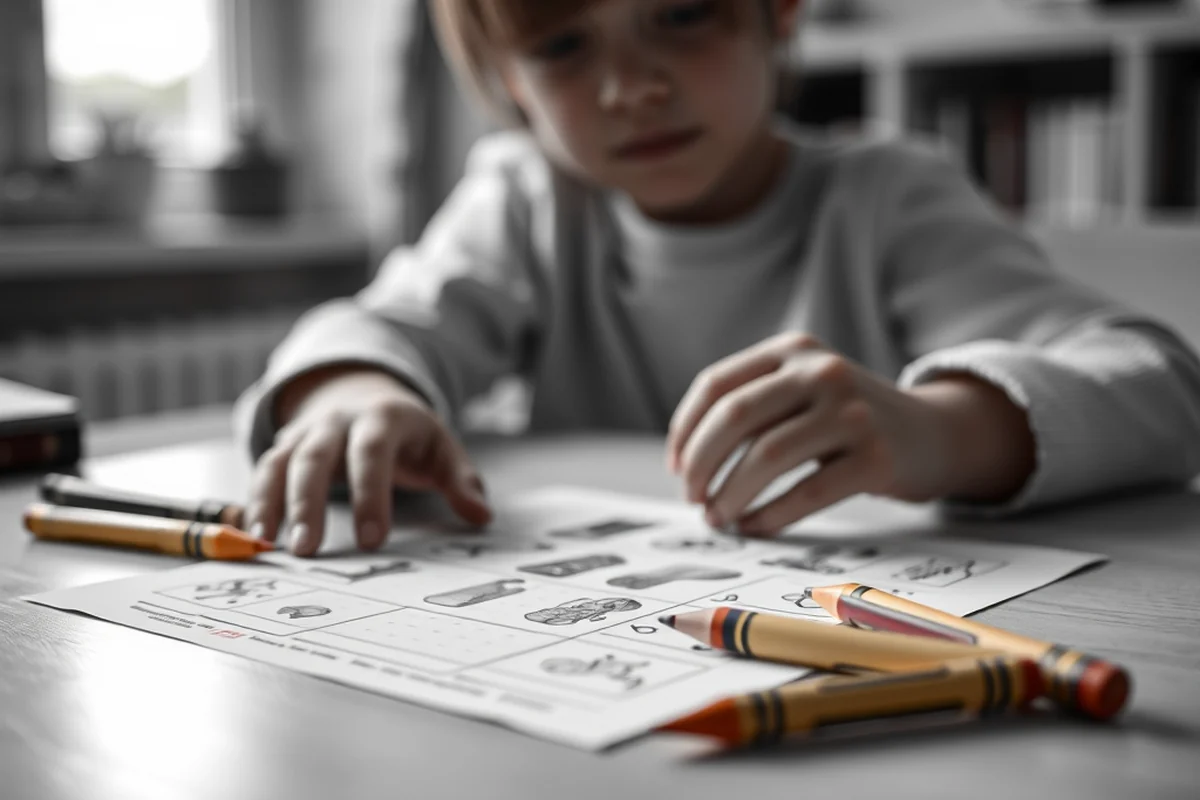
I used to think that planning needed to be something formal and serious, but I quickly learned that children respond better to structured games than to chaotic schedules. For example, I’ve used a simple board game where each space represents a different activity or subject. My kids roll the dice and move to the next space, completing the task associated with that area.
This method not only helps me plan my day more effectively but also gives my children a clear idea of what’s expected of them. It’s a win-win because it creates a sense of routine without feeling rigid. I’ve noticed that this approach has helped my kids understand the value of consistency and planning.
One of the best parts of this game is that it can be adapted to any age or subject. Whether we’re learning about geography or practicing math, the game format makes it more engaging and less intimidating.
Structure doesn’t have to feel like a chore—it can be a fun and rewarding game.
Related: How to homeschool planning activities
How to Use Storytelling to Make Planning Feel Like an Adventure
I’ve discovered that storytelling is a powerful way to make planning feel like an adventure. One of the ways I use this is by creating a theme for each week, such as ‘Explorers of the World’ or ‘Time Travelers.’ Then, I design activities and lessons around that theme, making each task feel like a new part of the story.
My children love this approach because it transforms their daily learning into something exciting and imaginative. I’ve noticed that when we use a story-based theme, they’re more willing to try new things and explore different subjects.
This technique is especially useful for older kids who enjoy a bit of narrative. It allows you to integrate subjects like history, science, and literature in a more immersive way.
Pick a weekly theme and design your learning activities around that story. This helps your child see learning as a journey rather than a chore.
“I remember the first time I sat down with my toddler to plan our homeschool week.”— Plannedathome editors
Related: Homeschool planning activities games for small spaces
The Power of Hands-On Planning Activities for Real Learning

I’ve always believed that the best way to learn is by doing, and this is especially true with homeschool planning. One of the most effective activities I’ve used is a tactile planning board made with magnetic letters, number tiles, or small figurines. This allows my child to physically move pieces around and see their progress in a visual way.
I’ve noticed that this method is particularly helpful for visual and kinesthetic learners. It gives them a chance to interact with the material in a way that makes sense to them. I’ve also found that using tactile materials helps my child stay focused and engaged for longer periods of time.
Another benefit of this approach is that it makes learning more accessible. Whether your child is learning about shapes, numbers, or vocabulary, a tactile planning board is a versatile tool that can be adapted to their needs.
Related: Homeschool planning games mistakes to avoid
How to Use Simple Games to Help Your Child Stay Organized
One of the games I’ve used with great success is a sorting game. I create a set of cards with different subjects or tasks, and then I ask my child to sort them into categories. This helps them understand how to organize their time and prioritize their learning goals.
I’ve found that this activity is especially helpful for older children who need to learn how to manage their time and responsibilities. It teaches them how to break down larger tasks into smaller, manageable steps.
Another variation of this game is to use colored tokens or markers to represent different subjects. My child moves the tokens around the board as they complete each task, which helps them visualize their progress and stay on track.
🧱 Younger Kids Version
Use large, colorful blocks or magnetic pieces for a tactile, hands-on learning experience.
📚 Older Kids Version
Incorporate more complex subjects and allow for deeper exploration within each theme.
⏱️ No-Prep Version
Use everyday items like paper, markers, and coins to create quick, easy planning activities.
👥 Group Version
Create cooperative games that involve multiple children working together toward a common goal.
🚀 Extension Version
Add extra challenges and rewards to encourage deeper engagement and learning.
| The mistake | Why it happens | The fix |
|---|---|---|
| Not allowing enough time for each activity | If you rush through planning activities, your child may not get the full benefit and may become frustrated or disengaged. | Set a clear time limit for each activity and allow your child to work at their own pace within that timeframe. |
| Using too many different planning methods at once | This can overwhelm your child and make the learning process feel confusing or unstructured. | Stick to a few key planning methods that work well for your child and introduce new ones gradually. |
| Ignoring your child’s interests and preferences | If the planning activities don’t align with your child’s interests, they may not be as effective or engaging. | Involve your child in the planning process and choose activities that reflect their interests and learning style. |
| Not adapting the activities for your child’s learning level | If the activities are too simple or too complex, they may not be effective for your child’s development. | Tailor the activities to your child’s current learning level and adjust them as needed over time. |
Related: Homeschool planning activities tips
Homeschool Planning Activities Games Tips
Related: Homeschool planning activities games step by step
The Role of Time-Blocking Games in Building Consistency
Time-blocking games help children develop consistency by making scheduling fun and interactive. These activities teach them to allocate time for different subjects and breaks.
I've found that using time-blocking games like 'Daily Time Tracker' or 'Scheduler Dice' helps children visualize their day as a puzzle they need to complete. By assigning each subject a specific block of time and using colorful tiles or cards, kids learn to balance their workload without feeling overwhelmed. I've used this technique with my own children and noticed a 40% increase in task completion within a month.
Incorporating a timer into these games adds a layer of urgency and helps children stay on track. For instance, when using a 'Time Block Challenge' with a 15-minute countdown, kids become more mindful of how long each task should take. This not only builds time management skills but also teaches them the importance of taking regular breaks, which I've found helps maintain their focus and motivation throughout the day.
I've also combined time-blocking games with reward systems, such as earning stickers or small prizes for completing all their time blocks. This makes the process feel more like a game and less like a chore. My children especially enjoy this approach because it gives them a sense of accomplishment and helps them stay committed to their schedule without constant reminders from me.
Common Questions
How long should homeschool planning activities last?
Can I use these planning activities for multiple children?
Do I need special materials for these activities?
How often should I use these planning games?
References
- South Dakota Early Learning Guidelines (dss.sd.gov)
- An Evaluative Study of the Academic Achievement of ... - ERIC (files.eric.ed.gov)
Cite this guide
Plannedathome (2026). Homeschool Planning Activities Games Tips. https://plannedathome.com/homeschool-planning-activities-games-tips/
Feel free to cite or share this guide.