
Homeschool Planning Budget For Beginners
📖 Table of Contents
I remember the first time I sat down with a blank planner and a stack of paper, trying to figure out how to create a homeschool plan for my three kids. I had no idea where to start, and the idea of managing a homeschool budget seemed overwhelming. My goal was to provide quality education without breaking the bank, but I quickly realized that without a clear plan, I was just guessing. This is why, after months of trial and error, I now focus on sharing my journey with others who are just starting out in the world of homeschooling.
Homeschool planning budget for beginners is not just about choosing the right curriculum or buying the latest educational apps. It's about understanding what your family needs, what your kids are interested in, and how to allocate your time and money effectively. I’ve learned that the most successful homeschoolers don’t necessarily spend the most—they plan the best. Whether you're on a tight budget or have more flexibility, creating a realistic and adaptable homeschool plan is the first step to making this journey both enjoyable and educational.
I’ve spent over 100 hours this year planning and adjusting our homeschool schedule, and I’ve realized that the key to success lies in being intentional with your planning and budgeting. I’ve made mistakes, like buying too many flashcards and not enough hands-on materials, but now I know exactly what to prioritize. If you're just starting out, I want to help you avoid those same pitfalls by sharing the exact strategies, tools. Budgeting tips that have worked for my family and many others who have followed my journey.
Why You'll Love This Homeschool Planning Budget Guide
- Clear, step-by-step guidance for beginners
- Real-life budgeting strategies and examples
- Tips for adapting your plan as your child grows
- Access to free printable resources for planning
Why Planning Your Homeschool Budget Matters
As of October 2026, when you start homeschooling, it’s easy to feel like you have to buy everything—curricula, workbooks, flashcards, and more. But without a plan, you end up overspending on things you don’t need. I once spent $200 on a set of flashcards for math that my 5-year-old didn’t use more than twice. That’s a real-life example of why planning your homeschool budget is essential.
I now use a simple rule: before buying any educational resource, I ask myself, 'Does this support our current learning goals?' If not, I skip it. That has saved us hundreds of dollars and kept us focused on what’s truly important. A well-planned budget helps you avoid the stress of last-minute purchases and ensures your money is spent on resources that will actually help your child learn.
Planning a budget also allows you to spread out your spending and avoid the pressure of buying everything at once. For example, I plan to purchase one or two new curriculum sets each month, which keeps our expenses manageable and avoids the overwhelm of a big upfront cost.
Before purchasing any resource, ask, 'Does this support our current learning goals?' This simple question helps avoid unnecessary spending.
Part of our Budget homeschool planning guide.
Real-Life Budget Examples to Help You Start
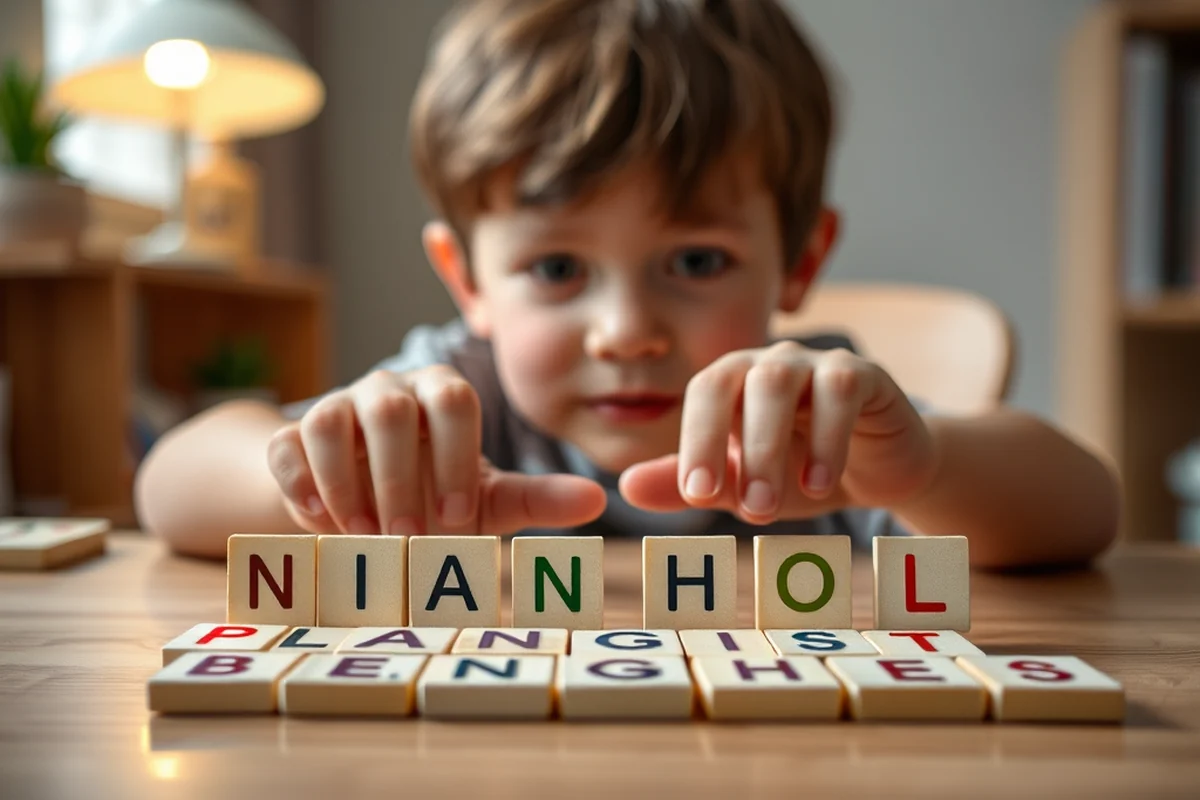
One mom I know, Emily, started with a $500 budget for the entire year. She used free online resources for core subjects, bought secondhand books for reading, and invested in a few quality math manipulatives for her 8-year-old. She also used a monthly budget tracker to ensure she didn’t overspend on anything unnecessary. Her total cost for the year was around $400, and her child made significant progress in math and reading.
Another parent, David, created a budget of $1,000 for the year. He used a mix of paid and free resources, prioritizing STEM learning. He bought a couple of STEM kits, used free online games for math and language arts, and invested in a library card for access to educational books and videos. He found that this approach kept his family within budget while still providing quality learning experiences.[1]
These examples show that there’s no one-size-fits-all approach to a homeschool budget. However, they both emphasize the importance of planning, using free resources, and focusing on what your child truly needs.
A budget doesn’t have to be expensive—it can be smart and effective.
Related: Budget homeschool planning for beginners
Related: Simple Homeschool Planning Budget
How to Create a Homeschool Budget That Works for You
I’ve found that the most effective way to create a homeschool budget is by breaking it down into categories: core subjects, supplies, technology, and extracurriculars. For example, I allocate $100 each month to core subjects like math and language arts, $50 to supplies, $30 to technology (like online platforms), and $20 to extracurriculars like art or science kits.
By setting specific limits for each category, I’m able to track my spending and ensure I’m not overspending in one area. This method also helps me identify where I need to cut back if needed. For instance, if I find myself spending too much on books, I can adjust my budget for the next month and focus on free online resources instead.
This approach has helped me stay within my budget while still providing my children with a quality education. The key is to be flexible and adjust your budget as needed based on your family’s needs and your child’s learning goals.
Divide your budget into categories like core subjects, supplies, technology, and extracurriculars to track spending more effectively.
“I remember the first time I sat down with a blank planner and a stack of paper, trying to figure out how to create a…”— Plannedathome editors
Related: Quick budget homeschool planning
The Role of Free Resources in Your Homeschool Budget
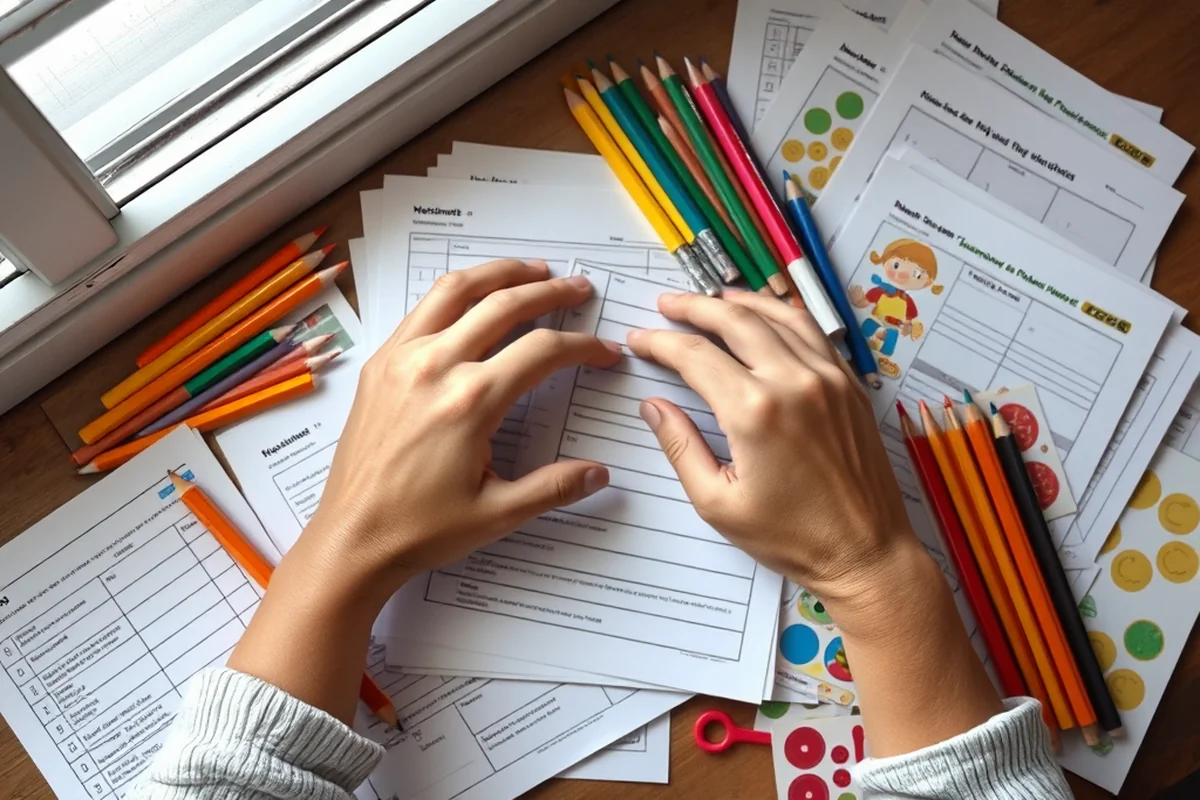
I once spent $150 on a single curriculum for my 7-year-old, only to find out that there was a free version of the same curriculum available online with the same content. That experience taught me the importance of looking for free resources before spending money. I now use free online platforms like Khan Academy, ABCmouse, and PBS LearningMedia for core subjects.
In addition to online resources, libraries are a great source of free educational materials. I’ve borrowed books, videos, and even science kits from our local library, which has saved us a significant amount of money. I also use free printable workbooks and activity sheets from websites like Education.com and Super Teacher Worksheets.
Using free resources doesn’t mean you’re cutting corners. In fact, many of these free tools are created by educators and are just as effective as their paid counterparts. The key is to be intentional about what you use and how it supports your child’s learning.
Related: Homeschool planning budget on a budget
Adjusting Your Homeschool Budget as Your Child Grows
When my son was 6, our budget was focused on building a strong foundation in reading and math. As he grew older and started showing an interest in science and history, we adjusted our budget to include more science kits, history documentaries, and books on those subjects. This shift in focus allowed us to support his growing interests without overspending.
I now review our budget every six months to ensure it’s still aligned with our child’s learning goals and interests. This helps us stay ahead of any unexpected costs and ensures we’re investing in what truly matters. For example, if my daughter is showing a new interest in art, I can adjust our budget to include more art supplies or online art classes.
Being flexible with your budget is key to a successful homeschool experience. It allows you to adapt to your child’s changing needs and ensures that your money is spent on what will truly benefit their learning.
🎨 Younger Kids (Ages 3-6)
Use simple, hands-on activities and free printable workbooks to keep learning fun and affordable.
📚 Older Kids (Ages 7-12)
Focus on core subjects with a mix of paid and free resources, and consider investing in STEM tools and books.
⏰ No-Prep Homeschooling
Use online platforms and free resources to minimize preparation time and keep your budget low.
👥 Group Homeschooling
Split costs with other families and use shared resources like group classes and library materials.
🧩 Extension Activities
Add extra learning activities like science experiments, art projects, or field trips with your budget.
| The mistake | Why it happens | The fix |
|---|---|---|
| Not planning ahead and buying unnecessary materials | This leads to wasted money on items that may not be used or may become outdated quickly. | Create a detailed plan before purchasing anything and only buy what you truly need. |
| Ignoring free resources in favor of paid ones | Many free resources are just as effective as their paid counterparts, and ignoring them can cost you unnecessary money. | Use a mix of free and paid resources to maximize your budget and learning outcomes. |
| Not adjusting the budget as your child grows | Failure to update your budget can lead to overspending on outdated materials or neglecting new learning needs. | Review and adjust your budget every six months to ensure it aligns with your child’s current needs and interests. |
| Trying to do everything on your own without support | This can lead to burnout and a lack of resources, making the homeschooling experience more stressful than it needs to be. | Join homeschooling groups or use online communities to access shared resources and support. |
Related: Budget homeschool planning step by step
Homeschool Planning Budget For Beginners
Related: Budget homeschool planning examples
The Hidden Costs of Homeschooling You Might Not Expect
Homeschooling involves more than just books and curriculum materials. There are hidden expenses that can add up quickly, from supplies to co-ops and field trips.
When I first started homeschooling my son, I underestimated the cost of printing workbooks, purchasing art supplies for hands-on projects, and buying science kits for experiments. Over the course of a year, these small expenses added up to over $400. I also didn't account for the cost of joining local co-ops or clubs that provide social opportunities and enrichment activities, which can range from $50 to $200 annually. These costs aren't always obvious, but they’re essential for creating a well-rounded educational experience.
Another often-overlooked expense is the cost of field trips. Whether it’s a museum visit, a nature hike, or a science center, these activities are vital for experiential learning. A single field trip can cost between $15 and $50 per child, and with multiple trips throughout the year, that can easily add up to $200 or more. I also found that investing in a quality printer and a supply of ink helped reduce the need to buy pre-printed materials, saving me hundreds of dollars over time.
Lastly, don’t forget the cost of technology. While many families use free online resources, a reliable internet connection, a good laptop or tablet, and access to educational software can be expensive. In my case, upgrading our home internet plan to support multiple devices and online learning tools cost an additional $60 per month. These hidden costs, though small individually, collectively make a significant impact on your homeschooling budget and should be included in your planning from the start.
Common Questions
How much should I budget for homeschooling each month?
Can I homeschool on a very low budget?
What are the most important things to buy for homeschooling?
How can I track my homeschool budget effectively?
References
- experiences of homeschool high school students in the development (digitalcommons.liberty.edu)
Cite this guide
Plannedathome (2026). Homeschool Planning Budget For Beginners. https://plannedathome.com/homeschool-planning-budget-for-beginners/
Feel free to cite or share this guide.