
Homeschool Planning Lesson For Beginners
📖 Table of Contents
I remember the first time I sat down with a stack of books, a notebook, and a feeling of complete uncertainty. I had just decided to homeschool my three-year-old, and the idea of planning a lesson felt like trying to build a skyscraper with a child’s building blocks. There was no roadmap, no clear structure, and no idea where to start. That was the moment I realized that homeschool planning for beginners wasn’t just about having a lesson plan — it was about finding a rhythm, a way to make learning feel natural and joyful.[4]
As a first-time homeschooler, I quickly learned that planning a lesson didn’t have to be overwhelming. It became clear that the most effective lessons for my child were those that were flexible, engaging. Built on the things she loved — whether that was counting the stars in the sky or tracing letters in the sand. Over time, I began to see that homeschool planning for beginners could be a simple, even elegant process, as long as I focused on what worked for my child — not what I thought should work.
The more I experimented with different approaches, the more I realized that the key to successful homeschool planning for beginners was consistency, not perfection. It wasn’t about creating a perfect curriculum in one day or trying to cover every subject in a single lesson. It was about finding the right balance — a balance that worked for my family, my child, and our unique learning journey. That’s where this article comes in.
Why You'll Love This Homeschool Planning Lesson For Beginners
- Simple, actionable steps that make planning easy and stress-free.
- Activities that are adaptable for different ages and learning styles.
- A focus on making learning fun and engaging through hands-on exploration.
- Real-life examples and results from families who have tried this approach.
Start With a Clear Goal
As of October 2026, the first step in any homeschool planning lesson for beginners is to identify a clear goal. This could be something as simple as ‘learn the alphabet’ or as complex as ‘understand basic math concepts.’ When I first began homeschooling, I had no idea where to start. I quickly learned that without a goal, I was just spinning in circles.
I found that setting a goal helped me stay focused and made lesson planning feel less overwhelming. For example, if I wanted my child to learn the shapes, I could plan a week of activities around that goal — from tracing shapes in the sand to identifying them in everyday objects.
A clear goal also helps you stay motivated. When I could see that my child was making progress toward a specific objective, it made the effort feel worth it. I recommend writing down your goals and revisiting them regularly to keep your lessons on track.[1]
Take a few minutes to jot down what you want your child to learn in the next few weeks. Keep it simple and specific — this will help guide your lesson planning.
Part of our Homeschool planning lesson plans schedules guide.
Design Your Lesson Around Your Child’s Interests
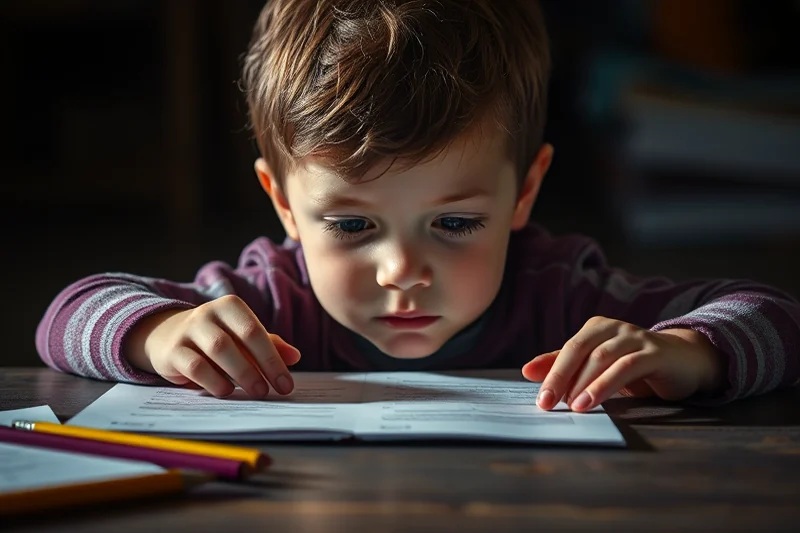
Children learn best when they’re interested. If your child loves dinosaurs, build a lesson around that. If they love music, use that as a way to teach math or language. When I first started, I was trying to force my child to learn things she wasn’t interested in, and it was a disaster.
One of the most effective lessons I ever created was around shapes, but I made it about building with blocks. I had her count the sides, trace the shapes in the air, and even play a game where we had to find shapes in the room. It was so much more engaging than just drawing them on paper.
By aligning your lessons with your child’s interests, you’re not just teaching — you’re creating a learning experience that feels natural and fun. This is especially important for beginners who may be struggling with the idea of being a teacher.
When learning is tied to what a child loves, it becomes an adventure — not a chore.
Related: Quick homeschool planning lesson plans schedules
Use Hands-On Learning Activities
Hands-on learning is one of the most effective ways to teach young children. When I first started homeschooling, I tried to teach my child the alphabet by just reading from a book. It was confusing and boring for both of us. Then I tried using letter tiles, and everything changed.
I discovered that when my child could touch, move, and manipulate the letters, she was much more likely to remember them. We played games like ‘find the letter,’ where I would say a letter and she had to find it in the room. It made learning feel like a game and not a task.
Hands-on activities also help with retention. Studies show that children who engage with physical materials remember concepts better. When I started using hands-on activities, I saw a noticeable improvement in my child’s learning progress and engagement.[2]
Look around your home and find objects that can be used for learning — a ruler for measuring, blocks for counting, or a book for reading. These items can turn ordinary moments into teachable ones.
“I remember the first time I sat down with a stack of books, a notebook, and a feeling of complete uncertainty.”— Plannedathome editors
Related: Homeschool planning lesson plans schedules examples
Keep It Simple and Manageable
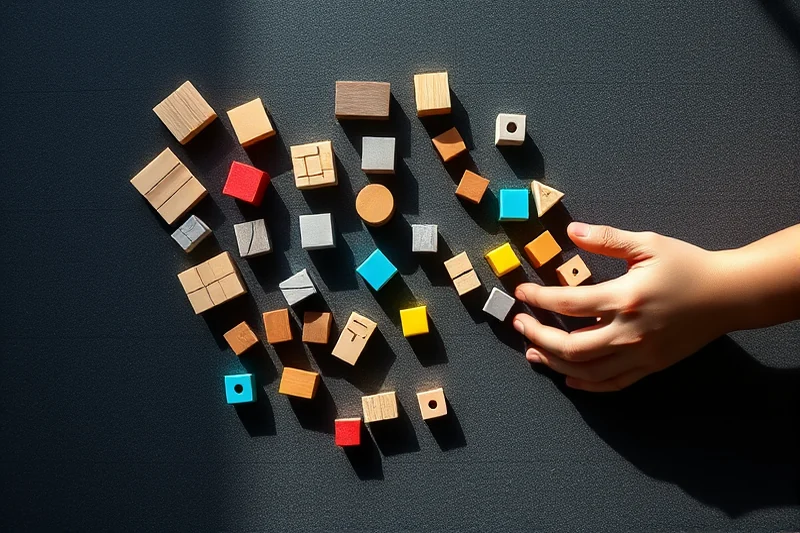
As a beginner, it’s easy to feel overwhelmed by the idea of creating a full curriculum. The truth is, you don’t need to have everything planned out from the start. I used to spend hours trying to create a perfect lesson plan, only to find that my child didn’t even want to participate.
I learned that the best lessons for beginners are the ones that are short, simple, and focused on one or two key concepts. For example, instead of trying to teach my child the entire alphabet in one day, I focused on three letters — and that was enough for that day.
Keeping your lessons simple also helps you stay flexible. If a lesson doesn’t go as planned, you can easily adjust and move on. This is especially important for beginners who may feel pressure to deliver a perfect lesson every day.
Related: Homeschool planning lesson plans schedules printable
Track Progress and Celebrate Small Wins
Tracking progress helps you see how far your child has come and where you might need to adjust your approach. I used to skip this step because I was worried about making things feel too formal. But I quickly realized that tracking progress — even in a simple way — made a huge difference.
I started using a chart where I would mark off each time my child learned a new letter. It gave us both a sense of accomplishment and made learning feel like a journey. Even small wins, like recognizing a letter or completing a task, were worth celebrating.
Celebrating progress also helps build confidence. When my child saw that her effort was being recognized, she became more motivated to learn. I recommend setting up a simple system — like a sticker chart or a progress board — to track and celebrate achievements.[3]
🧮 Younger Kids (Ages 2-4)
Use sensory-based activities like playing with letter-shaped blocks or tracing letters with their fingers in sand.
📖 Older Kids (Ages 5-8)
Incorporate more structured lessons with worksheets, reading, and problem-solving activities.
⏰ No-Prep Version
Use everyday objects around the house to teach concepts — no need for printed materials or extra supplies.
👥 Group Version
Invite other children over for a learning session and create a social, interactive environment for learning.
🔍 Extension Activity
Use books, videos, or field trips to expand on a concept and deepen your child’s understanding.
| The mistake | Why it happens | The fix |
|---|---|---|
| Trying to cover too many subjects in one lesson. | This can overwhelm your child and make learning feel chaotic and unclear. | Focus on one or two key concepts per lesson. This helps your child stay engaged and retain what they learn. |
| Forcing your child to learn without engaging them. | Children learn best when they’re interested and involved in the process. | Tailor lessons to your child’s interests and use hands-on, interactive activities to make learning fun. |
| Not tracking progress or celebrating achievements. | This can lead to frustration and a lack of motivation for your child and yourself. | Use a simple chart or journal to track progress and celebrate even small wins — this helps build confidence and keeps your child motivated. |
| Overcomplicating the lesson with too many steps or materials. | This can make the lesson feel stressful and discourage your child from participating. | Keep the lesson simple and manageable. Use a few key activities and focus on one or two main concepts. |
Related: How to homeschool planning plans
Homeschool Planning Lesson For Beginners
Related: Easy homeschool planning lesson plans schedules
Build a Flexible Schedule That Works for Your Family
Create a daily or weekly schedule that adapts to your family’s needs and keeps learning consistent without feeling overwhelming.
I found that a rigid schedule didn’t work for my family, so I started using a visual planner with color-coded blocks for different subjects and activities. This helped us stay on track while still allowing room for spontaneity. For example, if my child was particularly interested in a science topic one day, I would shift the time for math to the next day. This flexibility kept the learning process enjoyable and sustainable for everyone involved.
I also recommend setting specific times for core subjects like math and reading, but leaving open slots for creative or project-based learning. This approach helped balance structured learning with exploration. For instance, we dedicated mornings to structured lessons and afternoons to hands-on projects or field trips. This not only kept my child engaged but also helped me manage my time more efficiently. The key was to stay open to change and be willing to adjust as needed.
Another important aspect of creating a flexible schedule is involving your child in the planning process. I asked my child to pick their favorite subjects and activities for the week, which gave them a sense of ownership over their learning. This made them more motivated to participate and less likely to resist the lessons. I also made sure to include regular breaks and downtime to avoid burnout. By building a schedule that was both structured and adaptable, we created a homeschool environment that was both productive and enjoyable for the whole family.
Common Questions
How do I know if my child is learning enough?
What if my child is not interested in the lesson?
Do I need any special supplies for homeschool planning?
How long should a homeschool lesson be for beginners?
References
- Home Study / Virtual Education - Schools - DoWEA (dodea.edu)
- Online Resources for Homeschooling - The Good Book Blog - Biola ... (biola.edu)
- 84 easy science lessons you can do at home (canr.msu.edu)
- Hosting A Homeschool Happening: Outreach with Optimism (digitalcommons.law.uga.edu)
Cite this guide
Plannedathome (2026). Homeschool Planning Lesson For Beginners. https://plannedathome.com/homeschool-planning-lesson-for-beginners/
Feel free to cite or share this guide.