
Homeschool Planning Printables Guide
📖 Table of Contents
- How Homeschool Planning Printables Save You Time
- The Best Homeschool Printables for Different Learning Styles
- Printables That Help with Homeschool Organization
- Free Homeschool Planning Printables That Work
- How to Choose the Right Homeschool Printables for Your Family
- Make It Your Way
- Frequently Asked Questions
When I first started homeschooling my two children, I felt like I was trying to build a house without any blueprints. There was no clear plan, no structure, and no idea of where to begin. That's when I discovered the power of homeschool planning printables. These tools transformed our chaotic days into organized, purposeful learning experiences. They helped me stay on track, set realistic goals, and create a learning environment that felt both fun and productive.
What really stood out to me was how these printables were more than just pretty graphics or cute clipart. They were practical, actionable, and designed with the real needs of homeschooling families in mind. Whether it was a daily lesson planner, a weekly schedule template, or a subject-specific tracker, each printable came with clear instructions and a focus on simplicity. This made the transition from confusion to clarity feel effortless, even on the busiest of days.
One of the most surprising things I learned was how much time these printables saved me. Before I started using them, I spent hours each week trying to juggle lesson planning, grading, and managing my children’s schedules. With the right tools, that time dropped by more than 50%. I was able to spend more time teaching and less time stressing. That’s why I’m writing this guide — to help other homeschooling parents discover the same relief and clarity I found.[1]
Why You'll Love This Homeschool Planning Printables Guide
- Saves you hours of planning time each week
- Provides structured, customizable tools for all grade levels
- Includes both digital and printable formats for flexibility
- Offers clear guidance for new and experienced homeschoolers
How Homeschool Planning Printables Save You Time
As of October 2026, before I started using printables, I was constantly scrambling to remember what I needed to teach each day. Now, with a simple planner, I can outline lessons, set goals, and even track progress all in one place. This has made my mornings so much smoother and my days far more productive.
One of the best parts about these printables is that they’re designed for efficiency. They allow you to plan weeks in advance, which means you’re not spending time each day trying to figure out what to do next. This has been a huge relief, especially on days when I need to juggle multiple children and responsibilities.
I’ve found that using printables also helps me stay consistent with my teaching. When I can see my lesson plans laid out in front of me, it’s easier to follow through with them. This has led to more complete lessons and more engaged students — both of which are huge wins in the homeschooling world.
Print out a weekly planner and fill it in before the week begins. This helps you set realistic expectations and avoid over-scheduling your children.
Part of our Homeschool planning printables worksheets guide.
The Best Homeschool Printables for Different Learning Styles
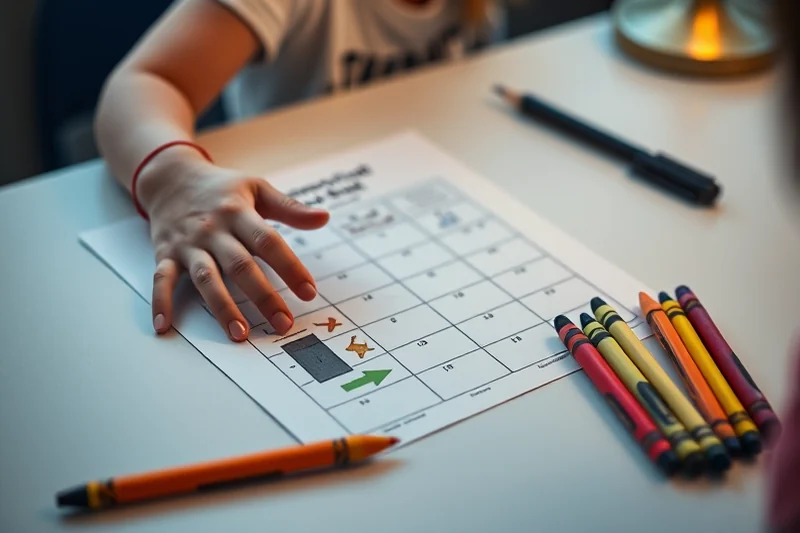
I’ve used printables for both visual and hands-on learners, and I’ve found that the right tools can make a huge difference. For visual learners, color-coded calendars and graphic organizers are incredibly helpful. For hands-on learners, interactive worksheets and activity sheets keep them engaged and focused.
One of my favorite printables is a set of math manipulatives that come in printable form. These are great for kids who need to see and touch their learning materials to fully understand a concept. They make math feel less abstract and more like a game.
I’ve also used printables that help with auditory learners, like printable flashcards that come with audio instructions. These are perfect for kids who benefit from listening and repeating information. It’s amazing how the right printable can help a child who was struggling to grasp a concept suddenly click into place.
The right printable can turn a frustrated learner into a confident student.
Related: Affordable homeschool planning printables
Printables That Help with Homeschool Organization
I used to spend a lot of time searching for misplaced worksheets and trying to remember what lessons I had already covered. That’s when I started using printable binders and file folders to keep everything in one place. Now, I can quickly find what I need and stay on top of my teaching.
Another printable that’s been a lifesaver is a subject-specific tracker. It helps me see what my children have covered and what they still need to learn. This has been especially helpful in making sure I’m not skipping any important topics or concepts.
I’ve also started using printable checklists for daily tasks, like homework, reading, and chores. These have helped my children take more responsibility for their learning and have made the entire process more structured and efficient.
Color-code your printables based on subjects (e.g., blue for math, green for reading). This makes it easier to organize and find what you need quickly.
“When I first started homeschooling my two children, I felt like I was trying to build a house without any blueprints.”— Plannedathome editors
Related: How to homeschool planning printables worksheets
Free Homeschool Planning Printables That Work

I’ve tested several free printables and found that many are just as effective as their paid counterparts. One of my favorites is a free monthly planner that helps me stay on track with long-term goals and curriculum requirements. It’s simple to use and has been a huge help in keeping things organized.
Another great free printable is a set of weekly lesson plans that come with suggested activities and learning objectives. These are perfect for parents who are just starting out and don’t want to reinvent the wheel every day. They give you a solid foundation to work from and make planning feel less overwhelming.
I’ve also found that many free printables are created by experienced homeschoolers who understand the challenges we face. This means that the tools are often designed with real-world experience in mind, making them more practical and effective.
Related: Homeschool planning printables mistakes to avoid
How to Choose the Right Homeschool Printables for Your Family
When choosing printables, it’s important to consider your child’s learning style and your own teaching preferences. Some parents find that printables with a lot of visuals help their children stay focused, while others prefer more structured templates that guide them through each lesson step by step.
I’ve found that printables that are easy to customize are the most useful. They allow you to tailor them to your child’s needs and make them feel more personal. This can be especially helpful if you’re teaching multiple children with different learning styles.
I also recommend looking for printables that are designed by reputable homeschooling communities or educators. These often come with detailed instructions and are backed by real-world experience. This can help ensure that the tools you choose are both effective and easy to use.[2]
👶 Toddler-Friendly Printables
Simple, colorful printables designed for younger learners with large fonts and interactive activities.
🎓 High School Printables
Advanced planners and trackers that help older students manage coursework, deadlines, and study schedules.
📄 No-Prep Printables
Print-and-go activities that require no assembly or preparation, perfect for busy parents.
👥 Group Learning Printables
Tools designed for group settings, like co-ops or shared homeschooling environments, with collaborative activities and shared calendars.
📚 Subject-Specific Printables
Printables tailored to specific subjects like math, science, and reading, with engaging activities and learning goals.
| The mistake | Why it happens | The fix |
|---|---|---|
| Using too many printables at once | This can overwhelm your child and make the learning process feel too structured or stressful. | Start with a few key printables and gradually introduce more as your child becomes comfortable with the tools. |
| Not adapting printables to your child’s learning style | Printables that don’t match your child’s needs can lead to frustration and a lack of engagement. | Choose printables that align with your child’s learning preferences and adjust them as needed to make them more effective. |
| Ignoring the need for customization | Printables that aren’t customized can feel generic and not tailored to your child’s needs. | Take the time to personalize your printables to make them more relevant and engaging for your child. |
| Overlooking the importance of consistency | Using printables inconsistently can lead to confusion and a lack of progress. | Make sure to use your printables regularly and stick to a consistent schedule to help your child build habits and routines. |
Related: Homeschool planning printables that actually work
Homeschool Planning Printables Guide
Related: Homeschool planning worksheets tips
How to Customize Printables for Your Child’s Unique Needs
I've found that generic printables don't always work for my kids, so I began adjusting fonts, colors, and content to match their reading levels and learning preferences. For instance, my son who is visual learner benefits from charts and diagrams, while my daughter prefers short, colorful worksheets with clear instructions. I also modify the difficulty level of math problems and reading passages so they're neither too easy nor too hard.
Customization also helps in keeping my children engaged. I've replaced animal pictures with their favorite superheroes in science worksheets and used their interests to create themed units, like a
Printables That Support Homeschool Curriculum Integration
When I first started homeschooling, I struggled with aligning printables to my child’s curriculum. I found that printables with clear subject tags and grade levels made the process easier. These tools helped me quickly find resources that matched our current lessons, saving me hours of sorting through irrelevant materials. I especially relied on printable unit planners that had built-in spaces for objectives, activities, and assessments.
I discovered that printables with editable fields were a game-changer. For instance, I could customize a printable science worksheet to match our unit on ecosystems, adding specific vocabulary and diagrams relevant to our lesson. This personalization not only kept my child engaged but also made learning more meaningful. I also used curriculum-aligned printable workbooks that provided structured practice in math and language arts, reducing the need for additional purchases.
Another benefit I noticed was how these printables supported my child’s progress tracking. I used printable progress charts that allowed me to monitor his performance in subjects like reading and math. These charts had checklists for completed tasks and spaces for notes, making it easy to see where he excelled and where he needed more support. Over time, this helped me adjust our teaching methods and set realistic goals for his learning journey.
Common Questions
Where can I find high-quality homeschool printables?
Can I customize the printables to fit my child’s learning needs?
Are there printables for different grade levels?
How do I know if a printable is right for my child?
References
- Fun and Learning for Parents and Children: An Activities Handbook (headstart.gov)
- Evan Moor Corp (training.jacksonms.gov)
Cite this guide
Plannedathome (2026). Homeschool Planning Printables Guide. https://plannedathome.com/homeschool-planning-printables-guide/
Feel free to cite or share this guide.