
How To Homeschool Planning Lesson Plans Schedules
📖 Table of Contents
- How to Start Planning Your Homeschool Schedule
- Balancing Subjects and Activities in Your Homeschool Plan
- Using Tools and Resources to Organize Your Homeschool Plan
- Incorporating Flexibility and Adjustments into Your Schedule
- Creating a Routine That Works for Your Family
- Make It Your Way
- Frequently Asked Questions
When my daughter turned six, I found myself staring at a blank wall, overwhelmed by the idea of planning a homeschool curriculum. I didn’t know where to start, how to balance subjects, or how to ensure she was learning in a way that felt natural and engaging. It wasn’t until I sat down with a notebook, a calendar, and a list of goals that things began to click. The process of planning homeschool lesson plans and schedules became less about perfection and more about intention — and that made all the difference.
I remember the first time I mapped out a week of lessons. It was messy, with overlapping subjects and too much time devoted to math. But over time, I learned how to structure days, allocate time effectively, and incorporate hands-on activities that made learning feel less like a chore and more like a shared journey. Planning lesson plans and schedules for homeschooling isn’t just about filling time — it’s about creating a rhythm that works for your family and nurtures curiosity.[1]
Now, when I look back, I see the value in that initial chaos. Planning lesson plans and schedules for homeschooling taught me how to be flexible, how to listen to my child’s needs, and how to create a learning environment that was both structured and alive. It was a process of trial and error, but one that gave me confidence in my ability to guide my child’s education — and that’s something I never take for granted.
Why You'll Love This Homeschool Planning Guide
- Create a flexible yet structured learning environment tailored to your child’s needs.
- Save time and reduce stress with clear, actionable steps for planning your lessons.
- Integrate real-world learning and meaningful activities into your daily routine.
- Build confidence in your ability to guide your child’s education from home.
How to Start Planning Your Homeschool Schedule
As of September 2026, the first step in planning homeschool lesson plans and schedules is to understand your child’s learning style and needs. I started by asking myself: What are my child’s strengths and weaknesses? What subjects does she enjoy? What time of day does she focus best? These questions helped me shape a schedule that worked for her, not just for me.
I also mapped out our daily routine, including time for meals, breaks, and other activities. I found that having a visual schedule with colored blocks for each subject helped my daughter stay on track and feel less overwhelmed. It also made it easier for me to see where we needed to adjust our plan.
A key takeaway was to be realistic about time. I initially tried to fit in too much, and it backfired. Once I cut down on the number of subjects and focused on core areas, the quality of learning improved dramatically. Planning with intention is more effective than trying to cover everything.
Write down your child’s academic and developmental goals for the year. This will help you structure your schedule around their needs.
Part of our Homeschool planning lesson plans schedules guide.
Balancing Subjects and Activities in Your Homeschool Plan

One of the biggest challenges I faced was ensuring a balance between core subjects like math and reading and other areas like science and art. I started by dedicating specific blocks of time each day to different subjects, making sure there was no overload on any one day.
I also began integrating activities that combined subjects — for example, using a nature walk to teach science and writing. This not only made learning more engaging but also helped my daughter retain information better. It was a win-win for both of us.
Over time, I noticed that my daughter was more interested in subjects when they were tied to real-world applications or projects. This taught me the importance of variety and relevance in planning homeschool lesson plans and schedules.
Balance is key — too much of one subject can lead to burnout, while too little can leave gaps in learning.
Related: Homeschool planning lesson plans schedules checklist
Using Tools and Resources to Organize Your Homeschool Plan
I found that using digital tools like Google Calendar and printable planners helped me stay organized and on track with my homeschool planning. I created a weekly planner that included all our subjects, activities, and special events. This made it easier to see the big picture and make adjustments as needed.
I also used apps like Todoist and Notion to set daily goals and track progress. These tools kept me motivated and helped my child feel a sense of accomplishment as we completed each task. It was like having a roadmap for our homeschool journey.
One of the most helpful resources I discovered was a printable weekly planner that I could customize. It allowed me to print out a schedule and place it on our fridge, making it visible and accessible for the whole family. This simple tool changed the way I approached planning homeschool lesson plans and schedules.
Set up your digital planner with daily and weekly reminders to help you stay on track with your homeschool schedule.
“When my daughter turned six, I found myself staring at a blank wall, overwhelmed by the idea of planning a homeschool curriculum.”— Plannedathome editors
Related: Homeschool planning lesson ideas
Incorporating Flexibility and Adjustments into Your Schedule
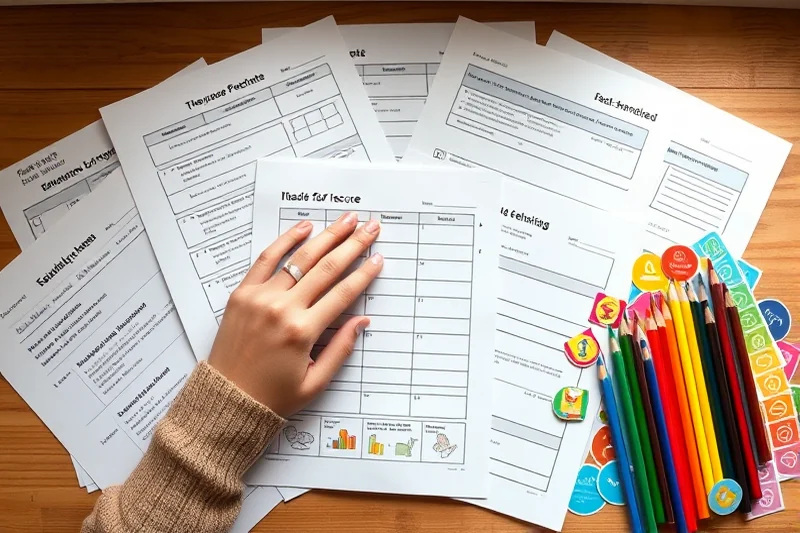
One of the most important lessons I learned was that flexibility is a necessity, not a luxury. I began setting aside time each week to review our progress and make any necessary changes to our schedule. This helped me stay responsive to my child’s needs and any unexpected challenges we faced.
I found that having a buffer time in the schedule — like an hour each day for unexpected activities or breaks — made the whole process less stressful. It allowed us to explore new interests or take a step back when needed without disrupting the overall flow of our lessons.
This flexibility also helped me stay patient and open-minded. I learned to accept that not every day would be perfect, and that was okay. Adjusting the schedule as we went made the experience more enjoyable and sustainable.
Related: Simple homeschool planning plans
Creating a Routine That Works for Your Family
Creating a routine that works for your family is essential to successful homeschool planning. I started by setting a regular time for each subject and activity, which helped my daughter understand what to expect each day. This consistency made learning feel more predictable and less overwhelming.
I also made sure to build in time for unstructured play and family activities. These moments were just as important as the formal lessons, and they helped maintain a healthy balance between learning and living. We found that having a predictable yet flexible schedule was the key to making it all work.
Over time, we adjusted our routine based on what was working and what wasn’t. This process taught me that no two homeschool days are the same, and that’s okay. The goal was to create a rhythm that worked for us, not a rigid schedule that didn’t allow for change.
🎨 Younger Kids (Ages 3-6)
Use play-based learning and short, focused activities to engage young learners and build foundational skills.
📚 Older Kids (Ages 7-12)
Incorporate more structured learning, projects, and independent study to support academic growth and self-direction.
🧰 No-Prep Homeschool Planning
Use spontaneous learning opportunities and everyday activities to teach without formal planning or resources.
👥 Group Homeschool Planning
Collaborate with other homeschooling families to share resources, ideas, and support for planning and teaching.
🔍 Extension Activities for Homeschool Planning
Add hands-on projects, field trips, and community activities to deepen learning and make lessons more engaging.
| The mistake | Why it happens | The fix |
|---|---|---|
| Creating a rigid schedule that doesn’t allow for flexibility. | Rigid schedules can lead to burnout, frustration, and a lack of engagement from your child. | Build in buffer time and be willing to adjust your plan as needed to accommodate changes and your child’s needs. |
| Overloading your child with too many subjects or activities. | Too much can overwhelm your child and lead to a lack of focus or burnout. | Prioritize core subjects and focus on quality over quantity when planning your homeschool schedule. |
| Ignoring your child’s learning style and preferences. | Not tailoring your lessons to your child’s needs can make learning feel forced and unenjoyable. | Get to know your child’s learning style and preferences, and structure your lessons accordingly. |
| Not setting clear goals for your homeschooling journey. | Without clear goals, it’s easy to feel lost and unsure of where to start or how to measure progress. | Set clear, achievable goals for your child’s learning and your homeschooling experience, and track progress regularly. |
Related: Budget homeschool planning lesson plans schedules
How To Homeschool Planning Lesson Plans Schedules
Related: Simple homeschool planning lesson plans schedules
Tracking Progress and Celebrating Milestones in Your Homeschool Plan
Use progress tracking tools and celebrate small wins to keep motivation high and ensure long-term success.
I began using a simple spreadsheet to track my child's progress in each subject, noting completed lessons, test scores, and project completions. This helped me see patterns and gaps in learning over time, and it also gave my child a visual sense of accomplishment. I set up weekly goals and checked them off as we achieved them, which boosted morale and kept us focused on the bigger picture.
Every few weeks, I scheduled a 'progress review' with my child, where we looked back at what we'd accomplished and discussed what we wanted to focus on next. This not only reinforced accountability but also gave my child a voice in their learning journey. I made it a point to celebrate milestones with small rewards, like a favorite snack or an extra 30 minutes of screen time, which made the process feel more like a journey than a chore.
I also kept a 'milestone journal' where we wrote down big achievements, like completing a unit or mastering a difficult concept. Over time, this journal became a source of pride and motivation. It reminded us of how far we'd come and helped us stay grounded when challenges arose. Tracking progress and celebrating milestones made homeschooling feel more structured, purposeful, and rewarding for both of us.
Leveraging Seasonal Themes to Enhance Curriculum Engagement
Integrating seasonal themes into your homeschool curriculum can make learning more engaging and relevant for your children.
During the fall, I incorporated leaf collection activities into science lessons and used harvest themes for math word problems, which boosted my kids' enthusiasm for learning. I also used winter holidays to teach about different cultures and traditions, making history lessons more hands-on and meaningful. This approach not only made the curriculum more dynamic but also helped my children connect academic concepts to real-world experiences.
In the spring, I used gardening projects to teach biology and used weather patterns to explore climate science. My children were more motivated to learn when they saw the direct connection between what we studied and the world around them. I even found that seasonal themes helped with memory retention, as the lessons became more vivid and relatable.
I made it a point to plan ahead and align each season with specific subjects, which saved me time and allowed for smoother transitions between topics. For instance, during summer, we focused on water-related experiments and reading materials about ocean life, which kept learning fun and relevant. This seasonal planning strategy has become a cornerstone of our homeschool approach, making education feel less like a chore and more like an adventure.
Common Questions
How do I know if my child is on track academically?
What if my child loses interest in a subject?
Can I use online resources for planning my homeschool schedule?
How can I make learning fun for my child?
References
- Pennsylvania Project Learning Tree Facilitator Handbook (elibrary.dcnr.pa.gov)
Cite this guide
Plannedathome (2026). How To Homeschool Planning Lesson Plans Schedules. https://plannedathome.com/how-to-homeschool-planning-lesson-plans-schedules/
Feel free to cite or share this guide.