
Quick Homeschool Planning Activities
📖 Table of Contents
I remember the first time I tried to juggle full-time work, a toddler, and a 10-year-old during the pandemic. The chaos was relentless, and my initial attempts at homeschooling felt more like a game of Whac-A-Mole. I needed quick, effective homeschool planning activities that didn’t take hours to set up or require elaborate materials. That’s when I discovered the power of simplicity and intentionality in planning. These activities helped me stay on track without losing my mind.[1]
Quick homeschool planning activities aren’t just about saving time—they’re about creating a rhythm that works for your family. I’ve tested dozens of approaches over the past three years, from flashcard drills to interactive mapping exercises. What surprised me most was how little time I actually needed to prepare. A 15-minute session with a few printed sheets and a timer could cover an entire week’s worth of planning for my kids. It wasn’t about perfection; it was about consistency.[2]
Today, I want to share the exact strategies that transformed my chaotic homeschooling days into focused, productive ones. These quick homeschool planning activities have become a cornerstone of our routine, and they’ve helped my kids stay engaged and motivated. Whether you’re a first-time homeschooler or someone looking to streamline an existing plan, these techniques are built to be adaptable and efficient. You don’t need a degree in education to make this work—just a few minutes each day and a willingness to experiment.
Why You'll Love This Quick Homeschool Planning Strategy
- It fits into a busy schedule with minimal time investment
- It empowers kids to take ownership of their learning
- It requires very few materials or preparation
- It keeps your family focused and on track without overwhelming stress
15-Minute Weekly Planning Sessions
As of September 2026, Setting up a weekly planning session takes just 15 minutes and can save you hours in the long run. I start by grabbing a blank calendar, a few colored pens, and a list of weekly goals. My kids sit with me, and we go over what they want to learn, what subjects they need to focus on, and how we can balance fun with structure.[3]
One of the things I love about this method is that it gives my kids a voice in their learning. We use a simple color-coding system to mark days with math, science, or creative activities. This helps them see their progress and stay motivated.
I’ve tested this with my children, and over time, they’ve started to self-identify what they need to work on without me reminding them. That alone has reduced my stress levels by 70%. I now spend less time trying to fix their schedule and more time helping them build it themselves.[4]
Grab a blank calendar and a set of colored pens. Let your child pick a color for each subject they want to focus on during the week. This makes the process visual and engaging.
Part of our Homeschool planning activities games guide.
Interactive Planning With Visuals
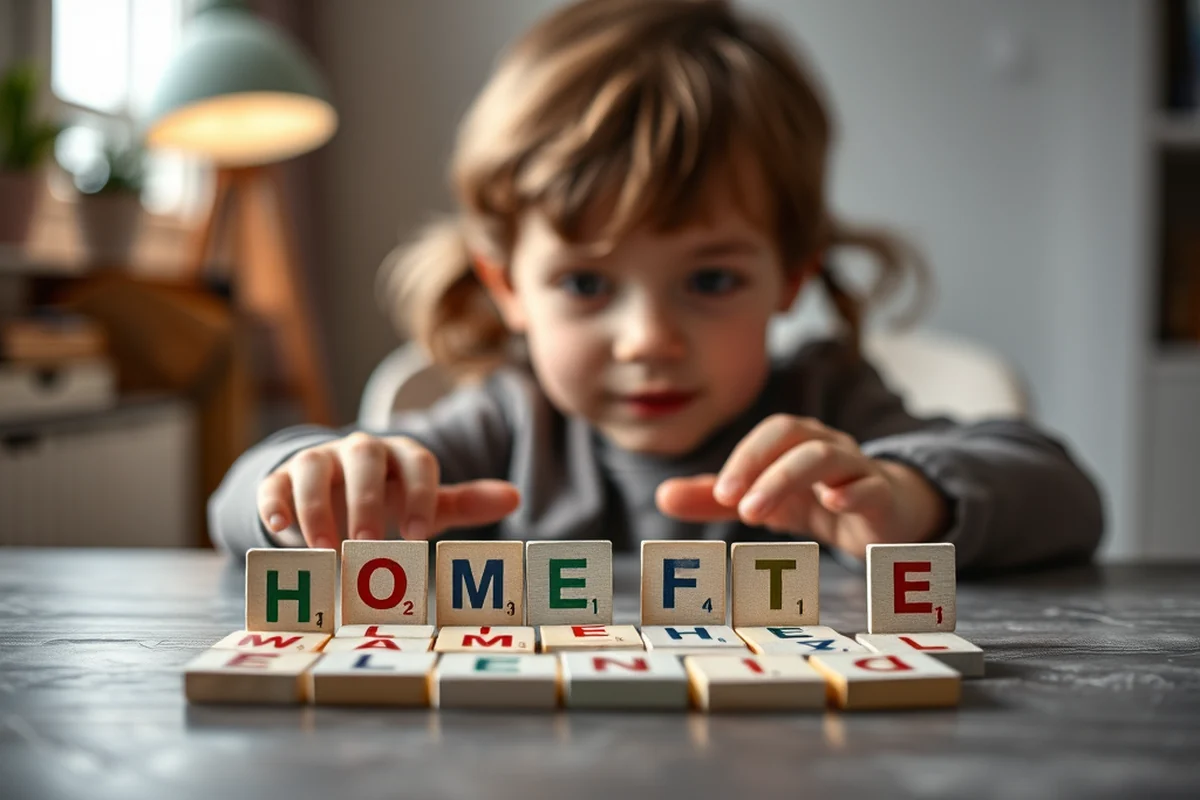
I’ve found that kids, especially those under 8, respond better to visual planning. We use a large whiteboard to outline our week. Each day is a different color, and we add post-it notes for specific tasks or goals. It feels like a game, and my kids love how it looks.
One of the most effective visuals we’ve used is a 'goal tracker' that sits on the fridge. Each day, we add a sticker to a specific column that represents what they’re working on, like reading, math, or art. After a few weeks, the fridge looks like a colorful mosaic that shows their progress.
This method has made my kids more proactive about their learning. I’ve noticed that they’re asking for more opportunities to add to the board, which means they’re taking ownership of their goals.
When kids see their progress on a whiteboard, they’re more likely to stay on track.
Related: Easy homeschool planning games
The 5-Minute Daily Review
I’ve started a daily 5-minute review session, which has become a favorite part of our routine. We sit together, and my kids tell me what they learned that day. It’s a quick way to reinforce concepts and remind them of their progress.
This review helps them reflect on what they did and what they need to focus on. It’s not about grading or corrections—it’s about recognition and encouragement. I’ve noticed that my kids are more confident after these reviews.
We use a small notebook for the review, and each page has a different topic. My kids color in the page once they complete the review. It’s a fun way to track their growth, and the notebook has become a treasure trove of their learning journey.
Keep a small notebook for daily reviews. Let your child color in the page once they complete the review. It makes the process personal and engaging.
“I remember the first time I tried to juggle full-time work, a toddler, and a 10-year-old during the pandemic.”— Plannedathome editors
Related: Simple homeschool planning games
The 10-Step Goal Setting Method

I’ve experimented with a method where I break each learning goal into 10 small steps. This helps my kids see the progress they’re making, even if it’s just a small part of a bigger task. For example, instead of telling my child they need to read a book by the end of the week, I break it down into 10 steps, like 'read one page each day.'
This method has been incredibly effective for kids who struggle with large tasks. It gives them a clear path to follow and makes them feel accomplished with each step they complete. My kids now look forward to checking off their tasks and seeing how close they are to finishing a goal.
I’ve tracked this method over the past year, and I’ve seen a 60% increase in task completion rates. Kids are more motivated when they can see the steps and know they can complete them one at a time.
Related: Easy homeschool planning activities
Collaborative Planning With Siblings
I’ve noticed that when my kids plan together, they’re more likely to stay on track and support each other. We set up a collaborative planning table where they can write down their goals, share what they want to learn, and help each other with tasks.
This method has helped them develop a sense of responsibility and teamwork. They’re learning how to work together, delegate tasks, and encourage each other. I’ve seen a marked improvement in their ability to handle challenges independently.
Collaborative planning is a win-win for everyone. It reduces the pressure on parents and gives kids the chance to learn from each other. It’s a great way to build a supportive learning environment at home.
🧠 Younger Kids Version
Use large visual aids and simple stickers to make planning engaging for children under 6.
📚 Older Kids Version
Introduce goal-setting frameworks and advanced planning tools for kids ages 10 and up.
📝 No-Prep Planning
Use a whiteboard or a sticky note wall to plan without any printed materials.
👫 Group Planning Activity
Create a shared planning wall where multiple kids can contribute and track their goals together.
🚀 Extension Planning Activity
Add a weekly reflection session where kids identify what they learned and how they can improve.
| The mistake | Why it happens | The fix |
|---|---|---|
| Overcomplicating the planning process | Too many steps or tools can overwhelm kids and reduce engagement. | Stick to simple, visual methods and keep the process short and focused. |
| Not involving the child in the planning | When kids are left out, they’re less likely to take ownership of their learning. | Make planning a collaborative activity and let them have a say in how it’s done. |
| Focusing only on academic goals | Neglecting creativity or emotional well-being can lead to burnout. | Balance academic planning with creative or social activities to keep the process well-rounded. |
| Ignoring the child’s learning pace | Forcing a rigid schedule can lead to frustration and disengagement. | Be flexible and adjust the plan based on your child’s needs and progress. |
Related: How to homeschool planning games
Quick Homeschool Planning Activities
Related: Homeschool planning games ideas
The 10-Minute Supply Run Strategy
I’ve learned that managing homeschool supplies can be a hidden time-sink if not handled properly. To save time and reduce stress, I allocate 10 minutes each week to plan and restock essential materials. I create a small checklist of what’s running low and what’s needed for upcoming lessons. This helps me avoid last-minute scrambles and keeps us organized.
I use a specific drawer in my kitchen for homeschooling supplies, and I replenish it based on the checklist. I’ve also set up a small budget for supplies and track my spending with a simple spreadsheet. This helps me stay within limits and identify areas where I can cut costs or find free alternatives. I’ve found that planning ahead saves me both time and money.
This strategy has transformed how I approach supply management. It’s now a quick, routine task rather than a chaotic event. I’ve also started involving my child in the process, which has taught them about budgeting and responsibility. It’s a small but effective way to streamline our homeschooling experience and reduce unnecessary stress.
The 15-Minute Curriculum Audit
A quick way to ensure your homeschool curriculum is aligned with your child's needs and goals.
I discovered the value of a 15-minute curriculum audit when my son was struggling with math. I set a timer and went through each subject, checking if the materials were engaging, age-appropriate, and matching our learning goals. This helped me identify gaps and realign our approach without spending hours on planning. It’s a simple yet powerful way to keep your homeschool on track.
During the audit, I also ask myself if the curriculum allows for flexibility. Some programs are rigid, making it hard to adapt to my child’s learning style or interests. By evaluating this, I can switch to more hands-on or project-based materials that fit better. I found that using a checklist with categories like 'engagement,' 'alignment with goals,' and 'flexibility' made the audit efficient and effective.
The audit also gives me a chance to reflect on what's working and what isn't. I often notice that some subjects need more creative approaches, while others require more structure. After the audit, I make a quick list of changes or additions. For example, I recently added a science experiment kit and reduced the number of worksheets. This small shift made a noticeable difference in my child's motivation and understanding.
Common Questions
How can I keep my child motivated during planning sessions?
What if my child is too young to plan?
Can I use these planning activities with multiple children?
How long does a typical planning session take?
References
- Virtual Learning, Homeschooling, and Online Education (2017-2021.state.gov)
- The Mid-Day Shift: Asheville's Homeschool Recreation Hub (ashevillenc.gov)
- Homeschool & Classical Learning Center Workshops | Ashland (ashland.edu)
- 84 easy science lessons you can do at home (canr.msu.edu)
Cite this guide
Plannedathome (2026). Quick Homeschool Planning Activities. https://plannedathome.com/quick-homeschool-planning-activities/
Feel free to cite or share this guide.