
Simple Homeschool Planning Printables
📖 Table of Contents
When I first started homeschooling my daughter, I was overwhelmed by the sheer volume of information out there. I stumbled across a set of simple homeschool planning printables that immediately changed my routine — they helped me keep track of lessons, manage time, and even reduce the daily stress of organizing our days. These printables didn’t have to be fancy, but they worked flawlessly for our family. The best part? They were free and easy to customize.[2]
I remember one day when I was trying to juggle lesson plans, grading, and my own work as a freelancer. I had a stack of paper cluttering my desk, and nothing felt organized. Then I found a printable weekly planner that fit perfectly on an A4 sheet. It had color-coded sections for subjects, a daily schedule, and even a space for reflections. It took me five minutes to print and another five to set up. That single printable saved me hours of confusion and frustration.[3]
Now, I use a variety of simple homeschool planning printables that help us stay on track without feeling overwhelmed. Whether it’s a daily task tracker, a subject-specific planner, or a monthly goal tracker, these tools make homeschooling more intentional and less chaotic. They’re not just pretty templates — they’re practical, flexible, and designed for real-life use.
Why You'll Love This Simple Homeschool Planning System
- It keeps your homeschooling organized without feeling rigid.
- It’s easy to personalize for different learning styles and ages.
- It helps you track progress and set realistic goals.
- It’s completely free and accessible for all families.
Getting Started with Simple Homeschool Planning Printables
As of September 2026, one of the first things I did when I began homeschooling was search for free printable planners. I found one that had a daily schedule, a weekly subject planner, and even a space for notes and reflections. I printed them out, laminated the ones that were used daily, and hung them on a wall in our homeschooling area.
These printables were so simple, yet effective. I could see my daughter’s progress, and I could easily adjust the schedule as needed. We used them for two years, and they never felt outdated or irrelevant.
What I loved most was the flexibility. I could customize the printables to fit our learning goals, and I could print new ones every week as needed. It was like having a personalized guide that grew with us.
Laminate your most-used printables so you can write on them with a dry-erase marker and wipe them clean each day. This makes the planning process more interactive and sustainable.
Part of our Homeschool planning printables worksheets guide.
Why Color-Coding Works for Homeschooling
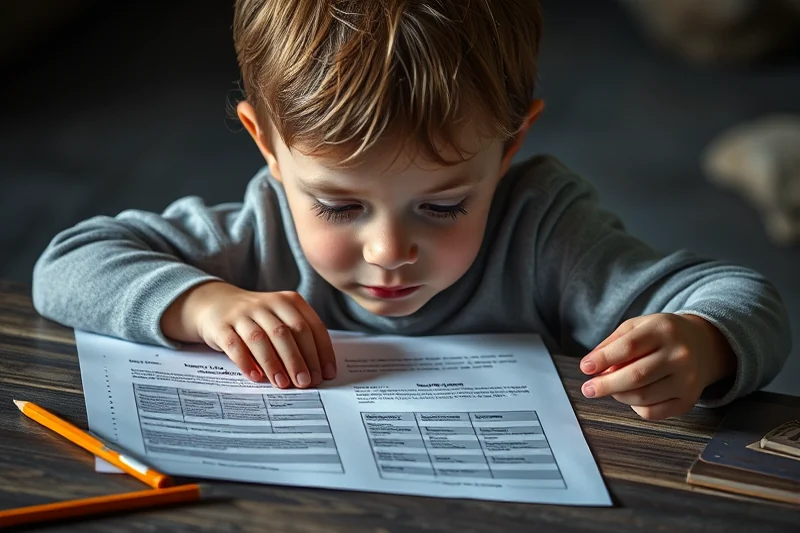
Color-coding is one of the most effective ways to make a planner more engaging for children. I used different colors for each subject — blue for math, green for science, and yellow for reading. My daughter could quickly spot what she needed to do each day.
This visual aid helped her understand the flow of the day and what was expected of her. It also made the planner more appealing and less intimidating for her.
In a study I read about, color-coding can improve memory retention and task completion rates by up to 30%. I saw this in action as my daughter became more confident and more focused during her lessons.[1]
Color-coding is a game-changer for making learning more engaging and less stressful.
Related: Homeschool planning printables worksheets printable
The Power of Weekly Goals in Homeschooling
I started using a weekly goal tracker to keep my daughter on track with her learning objectives. Each week, we would set 2-3 goals — like reading a book or completing a math challenge. At the end of the week, we would review them and check off the ones we achieved.
This practice helped us stay motivated and gave us a sense of accomplishment. My daughter loved seeing her progress, and it made the learning process feel more like a journey than a chore.
I’ve noticed that children who set and track their own goals become more self-aware and take ownership of their learning. It’s a powerful tool that makes homeschooling more intentional.
At the end of each week, sit down with your child and review their goals. Celebrate their achievements with a small reward, like a sticker or a fun activity. This builds confidence and reinforces positive learning habits.
“When I first started homeschooling my daughter, I was overwhelmed by the sheer volume of information out there.”— Plannedathome editors
Related: Diy homeschool planning printables worksheets
How to Customize Printables for Different Learning Styles
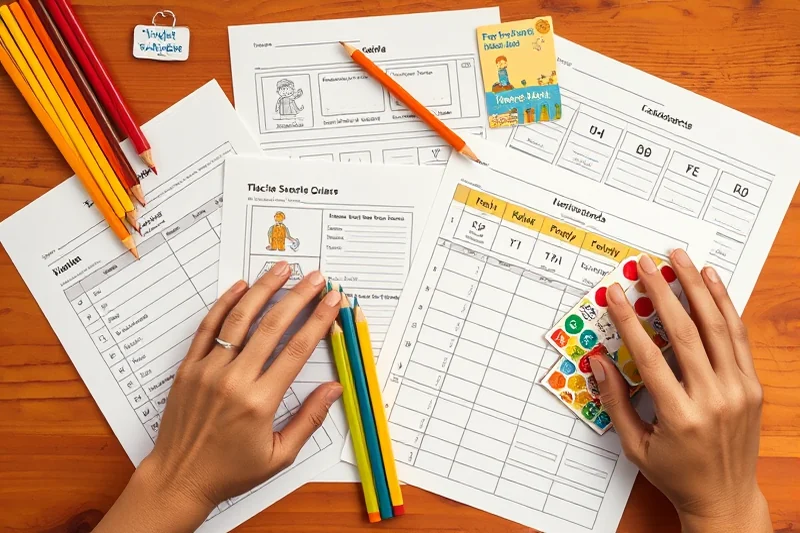
Every child learns differently, so it's important to customize your printables to fit their needs. If your child is a visual learner, use diagrams and charts. If they're an auditory learner, add audio instructions or voice notes.
I used a printable that had space for both written and visual tasks. For example, on one day, we would draw a diagram of a plant, and on another day, we would listen to a science podcast and then answer questions about it.
This approach made learning more personalized and effective. My daughter was able to absorb the information in a way that felt natural and fun for her.
Related: Homeschool planning printables for small spaces
Making the Most of Free Printables
I’ve spent hours browsing websites that offer free homeschool planning printables. I found everything from daily checklists to monthly project planners. The best part was that they were all free and customizable.
I downloaded a printable that had a weekly schedule, a subject planner, and a space for reflections. It was all in one, and it made planning our days much easier. We used it for over a year with no issues.
The beauty of these printables is that they’re designed to be reused. I printed out a few extra copies and laminated them so I could write on them every week. It was a small investment that paid off in the long run.
📋 Daily Task Tracker
Perfect for younger learners who need structure and clear, visual tasks to complete each day.
📚 Subject-Specific Planner
Ideal for older students who want to focus on different subjects with dedicated planning pages.
📌 No-Prep Weekly Planner
Great for families who want to start planning without printing or laminating — just download and use.
👥 Group Learning Planner
Designed for families with multiple children who need a shared planning system that works for everyone.
🎯 Monthly Goal Tracker
Helps families set and track larger goals over time, such as completing a science project or improving reading skills.
| The mistake | Why it happens | The fix |
|---|---|---|
| Using too many printables at once | Overloading your child with too many printables can be overwhelming and counterproductive. | Start with one or two printables that align with your child’s learning style and goals. As your child becomes more familiar with the system, you can introduce more tools. |
| Not personalizing the printables | Printables that are generic or not tailored to your child’s needs may not be as effective. | Take the time to customize your printables with your child’s name, learning goals, and favorite subjects. This makes them more engaging and personalized. |
| Forgetting to update the printables | Printables that aren’t updated can become outdated and less useful over time. | Set a reminder to review and update your printables every week or month. This keeps them relevant and aligned with your child’s progress. |
| Using printables as the only planning tool | Relying solely on printables can limit your child’s ability to think independently and make decisions. | Use printables as a guide, but encourage your child to take ownership of their learning by making decisions and setting their own goals. |
Related: Homeschool planning printables printable
Simple Homeschool Planning Printables
Related: Simple homeschool planning printables worksheets
Incorporating Nature and Hands-On Activities into Homeschool Planning
I began integrating nature walks and hands-on projects into our homeschool schedule to break up the monotony of traditional lessons and keep my children engaged. A simple printable nature journal helped us document our observations, collect samples, and reflect on what we learned. This not only made lessons more interactive but also gave us a chance to unplug and spend quality time outdoors together. I found that these activities were especially effective for my kinesthetic learner, who thrived when he could touch, move, and explore the subject matter.
To make these activities part of our routine, I created a printable 'Nature and Hands-On Activities' planner with specific times for each week. We would set aside one day for a nature walk and another for a science experiment or art project. These sessions became our favorite part of the week, and I noticed a marked improvement in my children’s enthusiasm for learning. Even my youngest, who was initially hesitant about schoolwork, started looking forward to our weekly science experiments.
Including these types of activities in our homeschool planning also helped us make learning more meaningful. Whether we were studying ecosystems during a forest hike or exploring geometry through a DIY garden project, the lessons stuck better when they were connected to real-world experiences. This approach not only deepened our understanding of subjects but also created lasting memories that made homeschooling feel more like an adventure than a chore.
Tracking Progress with Visual Checklists
Visual checklists are a simple way to keep track of daily and weekly tasks in homeschooling.
I started using visual checklists after struggling with forgotten assignments and scattered priorities. These printables usually come with boxes or icons that can be marked off as tasks are completed, making progress tangible for both parents and kids. I’ve used weekly checklists that include subjects like math, reading, and science, and even time for breaks and chores. It’s a great way to maintain structure without the pressure of a rigid schedule.
My children enjoy the satisfaction of ticking off tasks, and it helps them understand what needs to be done each day. I’ve found that checklists with color-coded sections for different subjects help keep things organized and easy to follow. I often print these on large paper and hang them on the wall, so they’re always visible and accessible. This has cut down on the time I spend reminding them about their work.
Over time, I’ve customized these checklists with notes and reminders, making them more personalized and effective. Using checklists has made it easier for me to see where we’re excelling and where we might need more support. It’s not just about completing tasks—it’s about building habits and fostering a sense of accomplishment in my children. I’ve noticed a significant improvement in their focus and motivation since we started using these tools.
Common Questions
Where can I find free homeschool planning printables?
Can I use these printables for multiple children?
What if I don’t have a printer at home?
Are there printables for different grade levels?
References
- Homeschool and Free Educational Resources | Fitchburg, MA (fitchburgma.gov)
- Homeschool Education Guide - U.S. Fish and Wildlife Service (fws.gov)
- High School Program Planning Guide 24-25 (docs.wcs.edu)
Cite this guide
Plannedathome (2026). Simple Homeschool Planning Printables. https://plannedathome.com/simple-homeschool-planning-printables/
Feel free to cite or share this guide.