
Quick Homeschool Planning Activities Games
📖 Table of Contents
Last spring, I was juggling my toddler’s nap time, a Zoom meeting. My own deadlines for a project, when I realized I had no idea how to plan the rest of the week’s homeschool activities. I didn’t have time for elaborate lesson plans or long setups — I needed something quick, engaging, and effective. That’s when I stumbled on the idea of using ‘quick homeschool planning activities games’ to fill the gaps. These are the kinds of activities that take just 10 minutes to set up, yet leave my kids excited for learning.
What struck me about these games is how they can turn a chaotic afternoon into a focused, educational moment. I remember one day when I used a card game I had lying around the house — no printing, no buying, just a few minutes of explanation and we were off. My daughter picked up sight words faster than I ever could with flashcards. The games aren’t just fun; they’re strategic, designed to hit key educational goals without feeling like work.
Now, I rely on these quick homeschool planning activities games almost every day. They’re the kind of thing I can pull out in the middle of a busy day and feel confident that I’m giving my kids valuable time. Whether it’s a scavenger hunt for shapes, a memory game with numbers, or a simple storytelling challenge, these activities are like magic — easy to adapt, effective for learning, and surprisingly fun.
Why You'll Love This Quick Homeschool Planning Approach
- No need to plan hours in advance — these games are easy to adapt to any day’s flow.
- They’re perfect for short attention spans, keeping kids engaged without overwhelming them.
- They blend learning and play in a way that feels natural and fun.
- Many of these games require no prep or minimal supplies, saving time and reducing stress.
How to Use Quick Games for Math Skills
As of October 2026, one of my favorite quick math activities is using a deck of cards to play a simple addition game. I’ll lay out two cards face up, and the kids add them up. We do this for 10 rounds, and the one with the most correct answers wins. It’s surprising how quickly they pick up patterns and faster mental math.
Another game I use is a dice roll challenge. I set a target number, say 10, and the kids take turns rolling two dice, adding the numbers, and seeing how close they can get to 10. This helps with number fluency and basic addition strategies.[1]
These games are especially useful when I have a few minutes before a meal or after a nap. They’re not only educational but also keep my kids entertained, and I’ve noticed a marked improvement in their number sense over time.
Instead of buying special game pieces, use buttons, blocks, or even snack items as counters. This keeps things simple and hands-on.
Part of our Homeschool planning activities games guide.
Quick Games for Language and Literacy
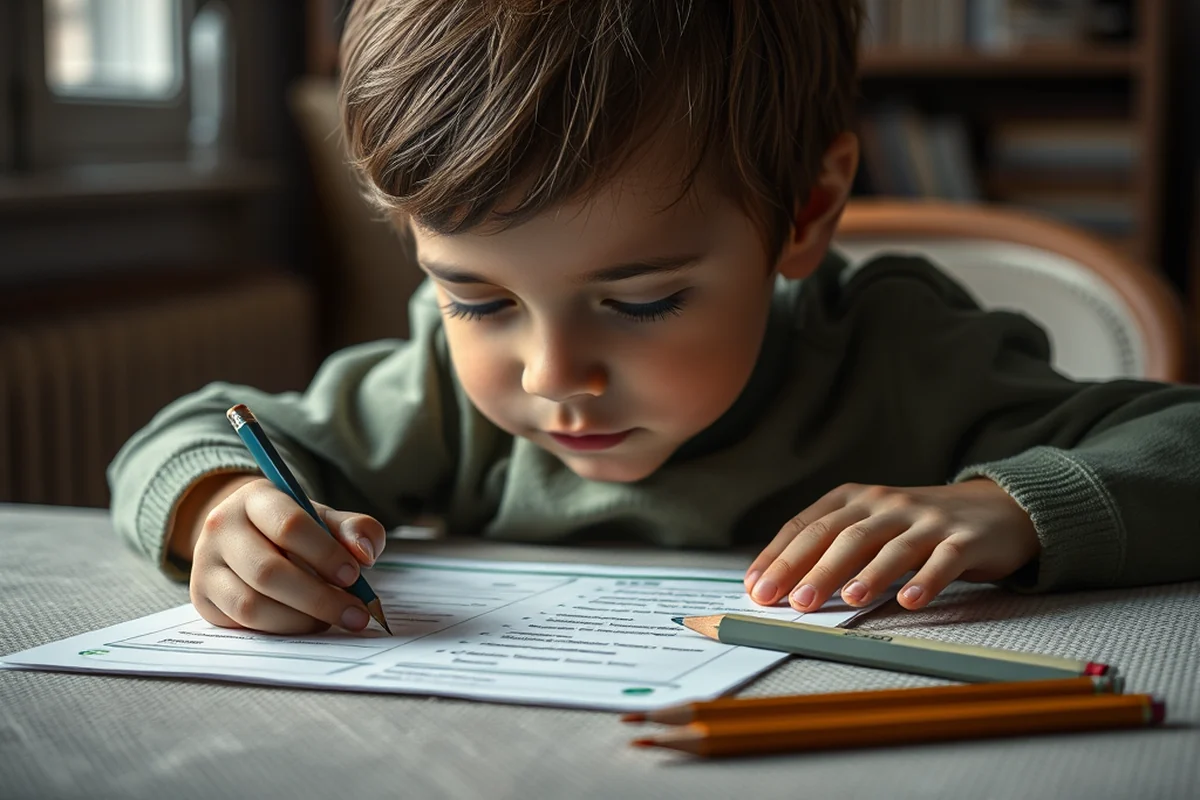
A game I often play is called ‘Word Detective.’ I pick a letter and write it on the board. The kids then find things in the room that start with that letter. This is a great way to practice phonics and letter recognition in a low-pressure environment.
Another quick activity is ‘Sentence Builder.’ I’ll say a sentence with a missing word, and the kids have to guess what it is. For example: 'I wear a ___ to school.' This helps with vocabulary and sentence structure.
These language games are perfect for filling gaps in the day, and I’ve noticed that my kids are more confident with words and sentences since we started playing regularly.
Language games are like invisible lessons — you don’t see them, but they stick.
Related: Diy homeschool planning activities
Related: Easy Homeschool Planning Activities Games
Related: Homeschool Planning Activities Games For Beginners
Quick Games for Science and Exploration
One of my favorite science games is ‘Guess the Object.’ I place a household item in a bag and let the kids feel it, then guess what it is. This is a great way to teach sensory skills and descriptive language.
Another quick science activity is ‘Nature Scavenger Hunt.’ I’ll ask the kids to find five things in the yard or house that are a certain color, shape, or texture. This gets them thinking about the world around them and encourages observation skills.
These games are not only educational but also spark a sense of wonder and curiosity. I’ve seen my kids ask more questions about the world since we started playing these types of games.
When you’re cooking, gardening, or even cleaning, ask questions like, 'What do you think will happen if we mix these two ingredients?' This transforms mundane tasks into learning moments.
“Last spring, I was juggling my toddler’s nap time, a Zoom meeting, and my own deadlines for a project, when I realized I had no…”— Plannedathome editors
Related: Budget homeschool planning activities
Quick Games for Social and Emotional Skills
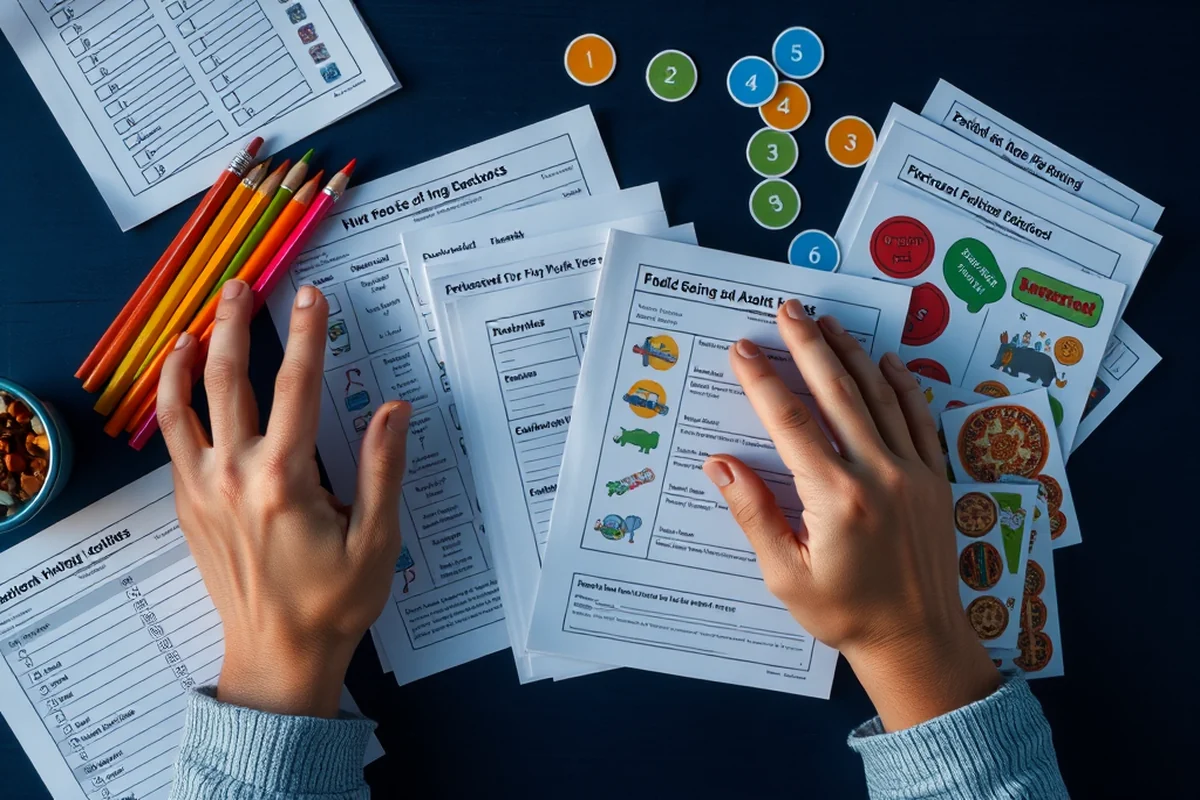
One of the best quick games I’ve found for social skills is ‘Emotion Charades.’ I’ll draw an emotion card, and the kids act it out without speaking. This helps them understand and express different feelings.
Another game is ‘Empathy Role-Play.’ I’ll set up a scenario, like a friend being upset, and ask the kids how they would help. This fosters empathy and problem-solving skills.
These games are especially valuable during tough times, like when a child is upset or when we’re navigating big family changes. They help build emotional intelligence in a fun, safe way.
Related: Best homeschool planning games
Quick Games for Creative Thinking and Art
One of my favorite quick games is ‘Shape Scavenger Hunt.’ I’ll give the kids a list of shapes to find in the house. They have to draw them or bring them to me. This helps with shape recognition and creativity.
Another game is ‘Copy Cat Art.’ I draw a simple shape or pattern, and the kids copy it as best they can. This is a great way to practice fine motor skills and attention to detail.
These art activities are not only fun but also encourage creativity and self-expression. I’ve noticed that my kids are more confident with their drawings and more willing to try new things since we started playing these games.
🎨 Younger Kids (Ages 3-5)
Use simple, visual-based games like matching shapes, sorting colors, or playing with letter tiles. Focus on sensory play and repetition.
🧩 Older Kids (Ages 6-12)
Incorporate more complex games like board games, puzzles, or logic challenges that require critical thinking and problem-solving.
🎲 No-Prep Version
Use household items or digital apps to create quick, on-the-go learning games that require no setup or printing.
👥 Group Version
Play games that can be done with multiple children at once, like team-based scavenger hunts, memory games, or collaborative storytelling.
📚 Extension Version
Add books, flashcards, or online resources to turn a quick game into a more in-depth learning activity with additional practice.
| The mistake | Why it happens | The fix |
|---|---|---|
| Using too many rules or making games too complicated. | This can overwhelm children and make the activity feel like a chore instead of a game. | Keep the rules simple and fun. Focus on the joy of playing, not on perfection. |
| Not allowing enough time for the game. | Quick games work best when they’re short and snappy — otherwise, they can feel rushed or incomplete. | Set a timer for 10 to 15 minutes and stick to it. Let the kids know they can stop when time is up. |
| Using the same games too often. | This can lead to boredom and a lack of engagement over time. | Keep a list of different games and rotate them regularly. Let the kids suggest new games or variations. |
| Not adapting games to the child’s interests or developmental stage. | A game that’s too easy or too hard won’t be effective or enjoyable. | Tailor the games to your child’s interests, abilities, and age. Ask them what they want to play and what they find fun. |
Related: Homeschool planning activities games printable
Quick Homeschool Planning Activities Games
Related: Quick homeschool planning activities
Quick Games for Physical Development and Gross Motor Skills
I discovered that quick games like 'Red Light, Green Light' or 'Simon Says' can be played in under five minutes and require no equipment, yet they significantly improve focus and body control. I often use these during transitions between subjects, and my children look forward to them as a fun way to reset their energy. I’ve noticed a marked improvement in their attention span after just a few weeks of regular play.
Another effective game I’ve tried is 'Obstacle Course Challenge,' where I create a simple path using pillows, chairs, and a hula hoop. This game takes about ten minutes to set up and can be adapted to different age levels. I’ve seen my kids develop better spatial awareness and problem-solving skills while having a great time. We usually play it after lunch when energy levels are high, and it helps them refocus for the afternoon lessons.
I’ve also used 'Balloon Relay Races' during planning sessions to keep my children active and engaged. Each round takes about fifteen minutes, and the kids love the competitive aspect. Not only does this game improve gross motor skills, but it also fosters teamwork and communication. I’ve found that incorporating these short physical activities into our routine has made our homeschool days more dynamic and enjoyable for everyone involved.
Quick Games for Time Management and Organization Skills
These games help children learn to plan, prioritize, and manage their time effectively, which is a crucial skill for homeschooling and beyond.
I introduced a game called 'Daily Task Dash' to my kids, where they had to complete a set of small tasks within a 20-minute window. Each task was listed on a card, and they could choose the order in which they completed them. This taught them about prioritization and time management in a fun way. I noticed that after a few weeks, they started to plan their own tasks without prompting, which was a huge win for our homeschool routine.
Another game I used was 'Schedule Builder', where my children had to arrange a series of activities into a daily schedule using colored blocks. They had to balance learning, play, and rest time, which helped them understand the importance of a structured day. I often used a timer to add a bit of urgency, and they loved the challenge of fitting everything in before the time ran out. This game also helped them grasp the concept of time in a tangible and engaging way.
I also created a 'Goal Tracker' game where each child set a weekly goal, like reading five books or practicing math for 30 minutes a day. They marked off their progress on a visual chart, which gave them a sense of accomplishment as they completed their goals. This not only improved their time management skills but also boosted their motivation and self-discipline. These games have become a staple in our homeschool, and I've seen a noticeable improvement in how my kids manage their time and responsibilities.
Common Questions
How can I keep my kids engaged during these quick games?
Do these games require any special equipment?
Can these games be adapted for different learning levels?
What if my child loses interest quickly?
References
- Activate: Games for Learning American English (americanenglish.state.gov)
Cite this guide
Plannedathome (2026). Quick Homeschool Planning Activities Games. https://plannedathome.com/quick-homeschool-planning-activities-games/
Feel free to cite or share this guide.