
How To Homeschool Planning Activities
📖 Table of Contents
When I first started homeschooling my daughter, I didn’t realize how much planning would shape our days. It wasn’t just about choosing the right curriculum — it was about making sure each activity felt meaningful, engaging, and adaptable. I remember one particular morning when I tried to wing it with a quick math lesson and a storytime session. By the end of the day, my daughter was frustrated, and I was exhausted. That’s when I realized: planning activities wasn’t just a task — it was a skill that could transform our homeschool experience.
Since that moment, I’ve experimented with different planning strategies, from weekly lesson plans to daily activity calendars. What I’ve learned is that the best homeschool planning activities are the ones that balance structure with flexibility. For instance, I discovered that when I created a visual planner with color-coded sections for different subjects, my daughter stayed focused for longer. I didn’t feel overwhelmed by the sheer volume of tasks ahead. Planning doesn’t have to be rigid; it can be creative, dynamic, and — most importantly — fun.
Now, I want to share the techniques I’ve tested and refined over the past few years. Whether you're new to homeschooling or looking for a fresh approach to how to homeschool planning activities, this guide is designed to help you build a routine that works for your family. You’ll find practical advice, hands-on activities, and real-life examples that have worked in my home — and can work in yours.
Why You'll Love This Approach to Homeschool Planning
- Reduce stress with clear, easy-to-follow planning tools
- Boost your child’s engagement and motivation through structured yet fun activities
- Save time by preparing ahead with flexible planning strategies
- Create a personalized learning environment that adapts to your child’s needs
Start with a Visual Schedule
As of October 2026, I created a laminated weekly planner with icons for each activity, like a book for reading and a puzzle for math. My daughter would point to the icon and say, 'It’s time for science!' This simple tool helped her feel in control and gave me a clear roadmap for the week.
Visual schedules also help with transitions. When it’s time to move from one activity to another, we refer to the planner together. This has made the process much smoother, especially when we’re switching between subjects.
I recommend starting with a daily schedule and gradually expanding to a weekly one. You can use printable templates or create your own using colored paper and markers. The key is to make it interactive and accessible.[1]
Choose simple icons that represent each activity and assign a color to each subject. This makes the schedule visually appealing and easy for your child to follow.
Part of our Homeschool planning activities games guide.
Build a Routine Around Your Child's Energy Levels
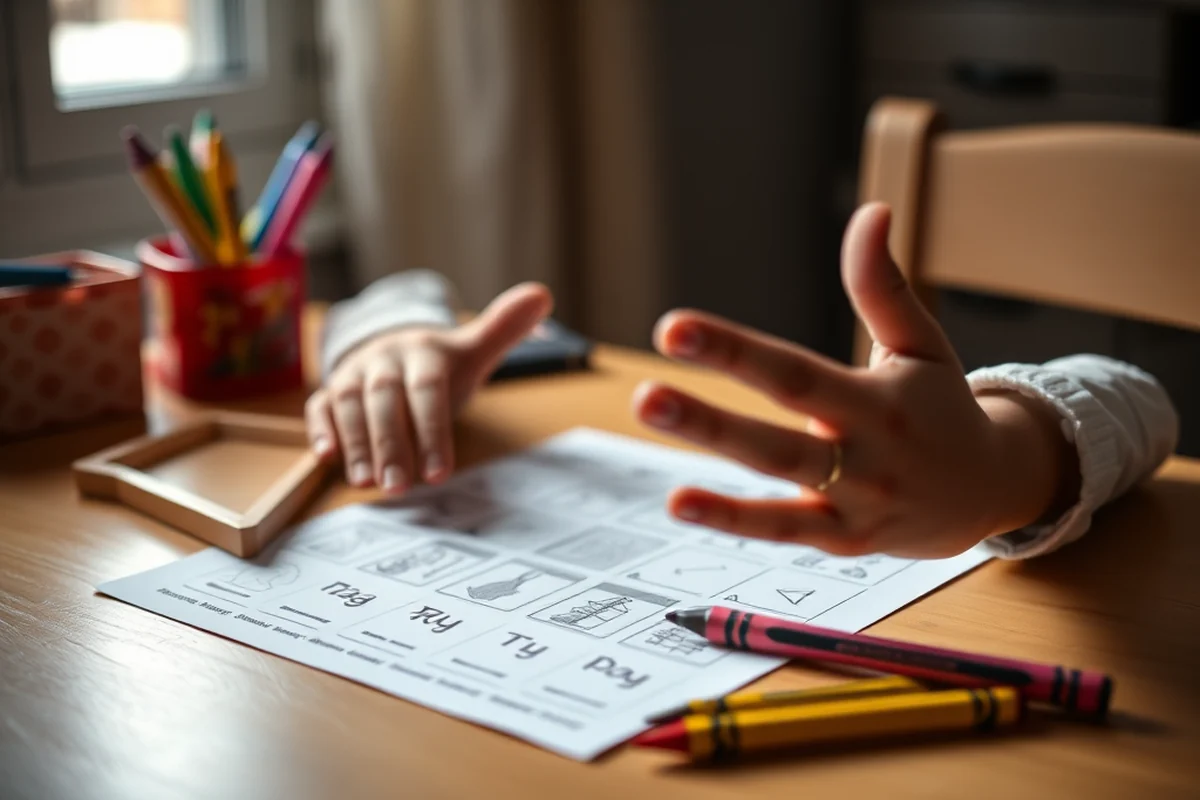
I noticed that my daughter was most focused in the morning and more easily distracted in the late afternoon. So, I structured our day with intense learning sessions in the morning and creative or hands-on activities in the afternoon.
This shift made a huge difference. We started with a 45-minute math lesson followed by a 30-minute reading session. In the afternoon, we did a science experiment or an art project. Her attention span improved, and I felt less overwhelmed by the day’s tasks.
To find your child’s energy peaks, observe them for a week and note when they’re most alert and engaged. Then, plan your most challenging subjects during those times.
Align your schedule with your child’s natural rhythms for better focus and engagement.
Related: Homeschool planning activities games step by step
Incorporate Movement into Planning
I added a 10-minute movement break after every 45 minutes of learning. We played a quick game of Simon Says or did a short dance party. This not only helped my daughter refocus but also made learning more fun.
Movement breaks also help with memory retention. After a math lesson, we would do a quick jump rope routine, and she often said, 'I remember better when I move!'
To make this work, plan these breaks in advance and make them part of your routine. You can even use a timer or a song to signal when it’s time to move.
Choose a short, upbeat song that signals the start of a movement break. You can use a kitchen timer or a digital app to keep track of time.
“When I first started homeschooling my daughter, I didn’t realize how much planning would shape our days.”— Plannedathome editors
Related: Quick homeschool planning activities games
Plan for Flexibility

I learned this the hard way when a thunderstorm knocked out the internet and I couldn’t access our online lessons. Instead of panicking, I used our physical books and did a nature walk to replace the lesson.
Flexibility doesn’t mean abandoning structure — it means being prepared to adapt when things change. Keep a list of backup activities, like flashcards or scavenger hunts, ready to go.
I now include a 'Plan B' section in our weekly planner. This has made unexpected changes much easier to handle, and my daughter has become more adaptable, too.
Related: Homeschool planning games tips
Use a Digital Tool to Track Progress
I started using a free online planner that let me track completed activities and set reminders for upcoming tasks. This helped me see how much we were getting done and made it easier to adjust our schedule as needed.
The planner also had a feature that allowed me to set goals for each week, like mastering 10 new vocabulary words or completing a science experiment. This gave my daughter a sense of accomplishment and kept her motivated.
Some digital tools also allow you to record notes and track your child’s performance over time. This can be especially helpful if you're planning for multiple children or working with a tutor.
🗓️ Daily Activity Calendar
A simple, visual way to track daily learning goals and activities.
📚 Weekly Learning Plan
A more detailed version of the daily planner, ideal for older kids.
⏱️ No-Prep Planning
Quick, ready-to-go activities that require minimal setup and planning.
🤝 Group Homeschool Planning
A collaborative approach for families or co-ops who homeschool together.
🎯 Subject-Focused Planning
A structured way to plan around specific subjects or learning goals.
| The mistake | Why it happens | The fix |
|---|---|---|
| Not preparing ahead of time | Last-minute planning can lead to stress and frustration for both you and your child. | Set aside time each week to plan your lessons and activities. Use a printable planner to stay organized. |
| Ignoring your child’s learning style | Using a one-size-fits-all approach can make learning less effective and less enjoyable for your child. | Observe your child’s strengths and preferences, and tailor activities to their learning style, whether it’s visual, auditory, or kinesthetic. |
| Overloading the schedule with too many activities | Trying to do too much in a day can overwhelm your child and lead to burnout. | Start with a few core activities and gradually add more as needed. Focus on quality over quantity. |
| Failing to allow for flexibility | Rigid planning can make it difficult to adapt to unexpected changes or your child’s needs. | Build flexibility into your schedule by including a 'Plan B' section and allowing time for spontaneous learning. |
Related: Homeschool planning activities games printable
How To Homeschool Planning Activities
Related: Quick homeschool planning activities
Leverage Theme-Based Learning to Make Planning Fun
Use thematic units to create cohesive, engaging homeschool lessons that tie planning to creativity and curiosity.
I’ve also used theme-based planning to integrate cross-disciplinary learning seamlessly. For instance, during a 'Jungle Adventure' theme, my students practiced math by calculating animal habitats, wrote stories from the perspective of a rainforest explorer, and studied geography by mapping out different ecosystems. This kind of planning made learning feel purposeful and connected, which is something I’ve found to be especially effective with younger children.
I also noticed that themed planning can be a great way to introduce project-based learning. When my child planned a 'Build a Treehouse' project, she had to estimate materials, set a timeline, and even budget for the project. I was impressed by how this approach helped her develop real-world planning skills, like prioritizing tasks and thinking ahead. It also allowed her to see the value of planning in a tangible, hands-on way.
Overall, theme-based planning has been a game-changer for me as a homeschooling parent. It’s made the process more engaging, more personalized, and more meaningful for my children. I’ve found that when planning is tied to a theme they love, they’re more willing to take ownership of their learning and stay committed to their goals.
Involve Your Child in Goal Setting and Review
Let your child take an active role in setting and reviewing their own learning goals to foster autonomy and accountability.
Involving your child in goal setting also helps them understand the purpose behind their learning. When they help set their own goals, they’re more likely to stay committed to them. I’ve seen this work especially well with older children who are beginning to explore their interests and passions. For instance, one of my students wanted to learn more about robotics, so we set a goal to complete a simple robot project in three months. She planned out her learning path, including times for research, coding practice, and building.
I’ve also noticed that goal setting helps identify areas where my child may need more support. If she’s struggling with a particular subject or task, we can revisit her goals and adjust her plan accordingly. This kind of flexibility is key to successful homeschooling. By regularly reviewing goals, we can make sure that our planning remains aligned with her needs and interests.
Overall, involving your child in goal setting and review is an essential part of effective homeschooling. It builds autonomy, fosters a growth mindset, and helps children take ownership of their learning. I’ve found that when my child is part of the planning process, she’s more motivated, more focused, and more excited about her education. This is one of the most powerful tools I’ve discovered for making homeschooling both effective and enjoyable.
Common Questions
How do I keep my child engaged if they get bored with the same activities?
What if I don’t have time to plan every day?
How can I make planning fun for my child?
What if I don’t have a lot of resources or supplies?
References
Cite this guide
Plannedathome (2026). How To Homeschool Planning Activities. https://plannedathome.com/how-to-homeschool-planning-activities/
Feel free to cite or share this guide.