
Homeschool Planning Progress Step By Step
📖 Table of Contents
When I first embarked on homeschooling my daughter, the sheer enormity of it all left me paralyzed. I had a vision of a structured, thoughtful curriculum, but no idea how to bring it to life. I remember spending hours in the library, sifting through textbooks, only to feel more confused than before. What I needed was a step-by-step plan that would guide me through the chaos and uncertainty. That's exactly what I found in the process of creating a homeschool schedule that worked for our family.
Homeschool planning progress step by step is more than just filling out a calendar. It's about understanding your child's unique needs, your own limitations, and the resources available to you. I learned that the key to success wasn't perfection—it was consistency and adaptability. It involved trial and error, and even a few moments of self-doubt, but it also brought unexpected joy and a deeper connection with my child.
Over time, I discovered that breaking the process down into manageable steps made a world of difference. Whether it was setting learning goals, choosing the right materials, or tracking progress, each step gave me a sense of control and direction. Homeschool planning progress step by step became my mantra, a way to handle the journey without losing sight of where we were headed.
Why You'll Love This Homeschool Planning Process
- Clear, actionable steps to guide you from start to finish
- Tailored advice that fits your child's learning style and your family's lifestyle
- Proven strategies that lead to measurable progress and engagement
- A community of support and shared experiences
Start with a Vision and a Goal
As of September 2026, before you even open a textbook, it's essential to have a clear vision of what you want your child's homeschooling journey to look like. Do you envision a structured academic path or a more relaxed, experiential learning environment? Clarifying your goals early on helps create a roadmap that keeps you on track and focused.
I sat down with my daughter and asked her what she was most excited about learning—science, art, or storytelling. This conversation helped shape our curriculum, ensuring it was engaging and meaningful for her. It also gave me a sense of what would motivate her through the ups and downs of homeschooling.
Setting a vision doesn't have to be formal. It can be as simple as a shared discussion, a vision board, or even a list of core values you want to instill. Once you have that, everything else falls into place.
Gather images, phrases, and quotes that reflect your homeschooling goals and values. Hang it in a visible place to keep your vision front of mind.
Part of our Homeschool planning progress assessment guide.
Assess Your Resources and Set Realistic Expectations

It's easy to feel overwhelmed by the sheer number of homeschooling resources available, but starting with what you already have can save time and money. Take stock of your books, tools, and skills. This is where I realized I had a library of science books that I could use for hands-on experiments and a digital subscription that gave us access to online courses.
I made a list of what my child needed—math manipulatives, art supplies, and science kits—and then prioritized which items were essential versus nice to have. This helped me stay focused and avoid the trap of buying too much and then letting it gather dust.
Setting realistic expectations is also crucial. I knew I couldn't cover every subject at once, so I focused on the core areas first and built from there. It's okay to start small and expand as you go.
Start with what you have. You'll be surprised at how far it can take you.
Related: Homeschool planning progress on a budget
Create a Flexible Daily Schedule
A flexible daily schedule is the backbone of successful homeschooling. I created a routine that included dedicated learning times, breaks for play and movement, and winding down with a story or a creative activity. This helped my child stay focused and prevented burnout.
I found that incorporating a mix of structured and unstructured time worked best. For instance, we had a 30-minute math block, followed by an hour of free play, and then a 45-minute science lesson. This allowed us to balance learning with fun and exploration.
Flexibility is key. If my child was tired one day, we adjusted the schedule and focused on shorter, more engaging lessons. This adaptability kept the momentum going and made the experience more enjoyable for both of us.
A visual timer can help your child understand how much time they have for each activity. It also makes transitions smoother and more predictable.
“When I first embarked on homeschooling my daughter, the sheer enormity of it all left me paralyzed.”— Plannedathome editors
Related: Budget homeschool planning progress
Track Progress and Celebrate Small Wins
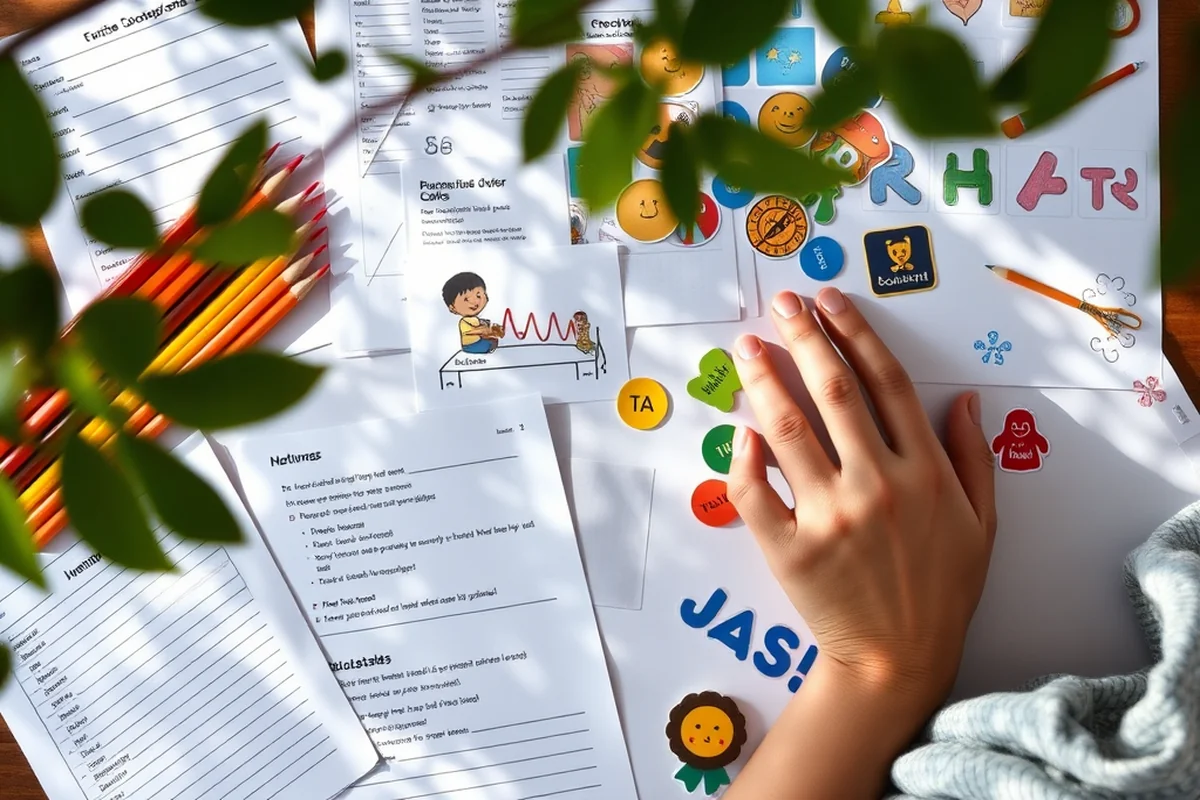
Tracking progress helps you see how far your child has come and what areas need more attention. I used a simple chart to record completed lessons, new skills mastered, and even small achievements like completing a difficult puzzle or writing their first sentence.
I made it a point to celebrate these milestones, whether with a sticker, a small reward, or just a heartfelt compliment. This helped my child feel proud of their accomplishments and kept them motivated to keep going.
Regular check-ins with my child also helped me adjust our approach as needed. We talked about what was working and what wasn't, and made changes together. This collaborative approach made the process more meaningful and effective.
Related: Affordable homeschool planning progress assessment
Stay Connected and Seek Support
Homeschooling can feel isolating, especially if you're doing it alone. I found that joining local or online homeschooling groups was a game-changer. These communities provided a wealth of resources, advice, and encouragement.
I participated in weekly meetups where families shared their experiences and exchanged tips. This not only made me feel less alone but also gave me new ideas for activities and lesson plans that I could try with my child.
Staying connected also helped me stay motivated. When I was struggling with a particular subject or feeling overwhelmed, talking to other parents who had been through similar challenges was incredibly reassuring.
🧮 Younger Kids (Ages 3-6)
Simplify learning through play, storytelling, and sensory exploration. Use colorful visuals and hands-on activities to engage young minds.
📖 Older Kids (Ages 7-12)
Incorporate more structured lessons, project-based learning, and self-directed study to cater to the growing independence of older children.[1]
⏳ No-Prep Homeschooling
Utilize free online resources, library materials, and everyday activities to create a homeschooling experience that requires minimal preparation.
👥 Group Homeschooling
Join a homeschooling co-op or group to share resources, teach different subjects, and provide social interaction for your child.
🔍 Extension Activities
Add extra learning opportunities such as field trips, guest speakers, or community projects to enrich the homeschooling experience.
| The mistake | Why it happens | The fix |
|---|---|---|
| Trying to cover too many subjects at once | This can overwhelm your child and make the learning process feel chaotic and unmanageable. | Focus on a few core subjects first and gradually expand as your child becomes more comfortable. |
| Neglecting play and movement | Too much structured learning without breaks can lead to burnout and disengagement. | Incorporate regular breaks for play, physical activity, and creative expression to keep your child balanced and motivated. |
| Not allowing flexibility in the schedule | Being too rigid can make the learning process stressful and inflexible, especially on days when your child is tired or distracted. | Design a schedule that allows for adjustments and spontaneity based on your child's needs and energy levels. |
| Ignoring your child's learning style | Forcing a one-size-fits-all approach can make learning feel dull and unengaging for your child. | Identify your child's learning style—visual, auditory, kinesthetic—and tailor your teaching methods accordingly. |
Related: Affordable homeschool planning progress
Homeschool Planning Progress Step By Step
Related: Budget homeschool planning progress assessment
Integrate Hands-On Learning and Experiential Activities
Add depth to your homeschool plan by making learning tangible and engaging through real-world experiences.
Integrate hands-on learning by incorporating field trips, nature walks, and community visits to make learning tangible and engaging. These experiences bring subjects like science and history to life, fostering curiosity and a deeper connection to what is being learned. I made a habit of planning at least one hands-on activity per week, which kept my children engaged and excited about learning. These activities often require minimal preparation and can be tailored to your child’s interests and learning style.
Hands-on learning also provides opportunities for interdisciplinary exploration. A visit to a science museum, for example, can spark discussions on physics, math, and engineering back at home. This approach helps children see the connections between subjects and understand how knowledge applies in real life. I’ve found that these activities often require minimal preparation and can be tailored to your child’s interests and learning style. For instance, if your child loves art, a museum visit with a focus on different art periods can be a valuable learning experience.
To make the most of experiential learning, plan ahead and take advantage of free or low-cost resources in your area. Libraries, parks, and local businesses often offer educational programs or tours that can be incorporated into your curriculum. I kept a list of local educational opportunities and reviewed it monthly to ensure we were making the most of our community’s offerings. This strategy not only enriched our homeschool experience but also helped us build meaningful relationships with local institutions and other homeschooling families.
Incorporate Technology and Digital Tools for Enhanced Learning
Integrating technology into your homeschool plan can provide access to a wide range of educational resources and interactive learning experiences. Tools like online libraries, educational apps, and virtual field trips can supplement traditional learning and make lessons more engaging. I’ve used platforms like Khan Academy and Duolingo to reinforce math and language skills, and found that these tools helped my children learn at their own pace and stay motivated.
Digital tools also offer opportunities for personalized learning and real-time feedback. For example, math apps like Prodigy and SplashLearn use gamification to make learning fun while tracking progress and identifying areas that need improvement. I’ve found these tools to be especially helpful for my child who struggled with math concepts initially but became more confident as he saw his progress visualized in real time.
To ensure technology is used effectively, set clear guidelines for screen time and balance digital learning with hands-on activities. I limited screen time to specific hours and used it strategically to reinforce learning. I also made sure to integrate digital tools with offline activities, such as using an online geography game followed by a map-making activity. This approach helped my children stay focused and avoid burnout, while still benefiting from the advantages of technology in their education.
Common Questions
What if I don't have a formal teaching background?
How do I keep my child motivated?
What if my child is struggling with a subject?
How do I handle unschooling vs. structured learning?
References
Cite this guide
Plannedathome (2026). Homeschool Planning Progress Step By Step. https://plannedathome.com/homeschool-planning-progress-step-by-step/
Feel free to cite or share this guide.