
Homeschool Planning Lesson Printable

📖 Table of Contents
There’s nothing quite like the feeling of watching your child’s eyes light up as they explore a well-planned, engaging homeschool lesson. For me, that moment came during a rainy afternoon when I finally found the perfect printable that transformed a chaotic day into a focused, productive learning experience. The 'homeschool planning lesson printable' became the anchor of our routine, offering a structured yet flexible approach that made education feel like play.
Before I discovered this printable, I spent hours each week scrambling to come up with lesson plans that were both educational and engaging. I remember one particular week when my toddler was asking questions about colors and shapes, and I had no idea how to answer them without a structured resource. The printable provided a clear roadmap, guiding me through activities that kept my child interested and learning without the stress of last-minute planning.
Over time, I realized that the 'homeschool planning lesson printable' wasn’t just a tool—it was a lifeline. It helped me organize the chaos of homeschooling while ensuring that every lesson aligned with my child’s developmental stage. The printable is more than a document; it’s a bridge that connects the curiosity of my child with the purpose of their education, all in a way that feels natural and intuitive.[1]
Why You'll Love This Homeschool Planning Lesson Printable
- Saves hours of planning time each week with ready-made, age-appropriate lessons.
- Offers a variety of engaging activities that cater to different learning styles.
- Includes printable versions that are easy to customize and reuse.
- Provides a structured yet flexible framework that adapts to your child's pace and interests.
How the Printable Transforms Daily Learning
As of November 2026, the printable comes with a structured layout that includes learning objectives, materials needed, and step-by-step instructions for each activity. I found it particularly helpful during our toddler years, where the printable offered activities that aligned perfectly with the developmental milestones of ages 3 to 6.
One of my favorite features is the inclusion of multiple activity types, such as hands-on crafts, short reading sessions, and interactive games. These varied activities kept my child engaged and prevented the monotony that sometimes creeps into homeschooling.
After using the printable for several months, I noticed a marked improvement in my child’s focus and enthusiasm for learning. The routine it established made each day feel like a new adventure, and I didn’t have to worry about coming up with fresh ideas every time.
Don’t be afraid to tweak the printable to suit your child’s interests or learning style—personalization makes the experience even more effective.
Part of our Homeschool planning lesson plans schedules guide.
Why Age-Appropriate Content Matters
The activities in the printable are tailored for children aged 3 to 6, which is a critical period for cognitive and motor skill development. I used the printable during my child’s toddler years, and the lessons were perfectly aligned with what they needed at that stage.
Each activity is carefully chosen to match the developmental milestones of this age group, whether it's letter recognition, basic math concepts, or color identification. The printable gives you the confidence that every lesson is both age-appropriate and meaningful.
One of the best parts of the printable is that it includes a variety of sensory activities that are ideal for young learners. I remember one lesson that involved tracing letters with sand, which was both fun and effective in teaching letter recognition.
Age-appropriate content is the cornerstone of effective learning.
Related: Best homeschool planning lesson plans schedules
The Power of Visual Learning
Visual elements are a key component of the printable, making it easier for young learners to grasp new concepts. I noticed that my child was more engaged when the printable included colorful illustrations and diagrams, especially during reading lessons.
One of the most impactful lessons I used from the printable involved a visual timeline that helped my child understand the sequence of events in a story. This made the abstract concept of story structure much more tangible.
The use of visuals also helped with hands-on activities, such as sorting objects by color or shape. The printable provided clear, step-by-step instructions that made it easy to follow along.
Take time to explain the visuals and how they relate to the lesson. This helps reinforce learning and keeps your child engaged.
“There’s nothing quite like the feeling of watching your child’s eyes light up as they dive into a well-planned, engaging homeschool lesson.”— Plannedathome editors
Related: Homeschool planning lesson plans schedules that actually work
Making Learning Fun with Interactive Activities

Interactive activities are a highlight of the printable, transforming traditional lessons into engaging experiences. I used one of the printable’s math games, where my child had to count and match objects, which made learning numbers fun and interactive.
Another favorite was the printable’s storytelling activity, where my child got to create their own story using a series of illustrated prompts. This not only helped with creativity but also improved their language skills.
The printable’s interactive approach ensured that learning was never boring. I often found myself surprised by how much my child was willing to participate in lessons that felt like play.
Encourage your child to treat the printable activities like games or challenges. This makes learning feel more like fun and less like work.
Related: Homeschool planning plans for beginners
A Printable That Grows with Your Child
One of the standout features of the printable is its flexibility. As my child grew, I was able to adjust the printable to align with their changing learning needs. For example, I used the printable’s advanced math activities once my child was ready for basic addition.
The printable includes a range of difficulty levels, making it suitable for different developmental stages. This means that it can be used for years, adapting to your child’s growth and learning journey.
I also appreciated that the printable allowed for customization. I could add new activities or modify existing ones to better suit my child’s interests, making the learning experience more personalized and effective.
🧱 Younger Kids Version
Tailored for toddlers, featuring simple sensory activities and short, engaging lessons for ages 3 to 5.
📚 Older Kids Version
Designed for children aged 6 and up, with more complex lessons that focus on reading, writing, and critical thinking.
⏱️ No-Prep Version
A quick and easy option with ready-to-use activities that require minimal setup and planning.
👥 Group Activity Version
Ideal for group settings, with interactive lessons that encourage collaboration and social learning.
🔍 Extension Activity Version
Includes advanced activities and challenges designed to deepen learning and extend the printable’s usefulness over time.
| The mistake | Why it happens | The fix |
|---|---|---|
| Not customizing the printable to fit the child’s interests. | Using a one-size-fits-all approach may lead to disengagement and reduced learning outcomes. | Take the time to personalize the printable based on your child’s interests and learning style. |
| Skipping the interactive elements of the printable. | Interactive activities are key to keeping young learners engaged and focused. | Make sure to incorporate the interactive components into your daily routine. |
| Using the printable without understanding the learning objectives. | Without clear goals, the printable may not be used effectively to guide your child’s learning. |
Related: Homeschool planning lesson plans schedules tips
Homeschool Planning Lesson Printable
Related: Homeschool planning lesson step by step
Customizing the Printable for Special Needs
When I first started homeschooling my child, I realized that the printable wasn’t a one-size-fits-all solution. My child has dyslexia, so I needed to adjust the text and use more visual cues. I printed the worksheets in larger fonts and used color coding to differentiate between subjects. This simple change made a big difference in my child’s ability to focus and complete tasks independently.
I also found that incorporating tactile elements, like Velcro or stickers, helped my child engage with the printable in a more hands-on way. For example, I used stickers to mark completed tasks, which provided a sense of accomplishment and kept my child motivated. This method was especially effective during long learning sessions, as it gave my child a tangible way to see their progress.
Customization also involved consulting with a special education specialist who helped me tailor the printable to my child’s learning style. They suggested breaking down tasks into smaller steps, which made the printable more manageable and less overwhelming. This approach not only improved my child’s confidence but also helped me understand their needs better, making our homeschooling journey more successful.
Integrating the Printable with Curriculum Standards
Learn how to align the printable with national and state education standards for effective homeschooling.
One small but impactful detail was the inclusion of a section for noting any gaps in knowledge. I would write down areas where my child needed more focus, and then revisit those in the next week’s planning. This allowed for a more personalized approach to education, which I hadn’t anticipated. Over time, I noticed that the printable became a cornerstone of our routine, guiding both my teaching and my child’s learning path.
Tracking Progress and Celebrating Milestones
Discover how the printable helps you monitor progress and recognize your child’s achievements along the way.
Another feature that stood out was the reflection space, where I could write notes about what worked and what didn’t for each activity. This helped me fine-tune our approach as we went along. I also used this section to jot down observations about my child’s learning style and how she responded to different teaching methods. Over time, this became a valuable resource for tailoring our lessons and ensuring that we were always meeting her needs.
Creating a Consistent Homeschool Routine with the Printable
This printable helps you build a consistent, structured homeschool routine that adapts to your family's needs and keeps learning on track.
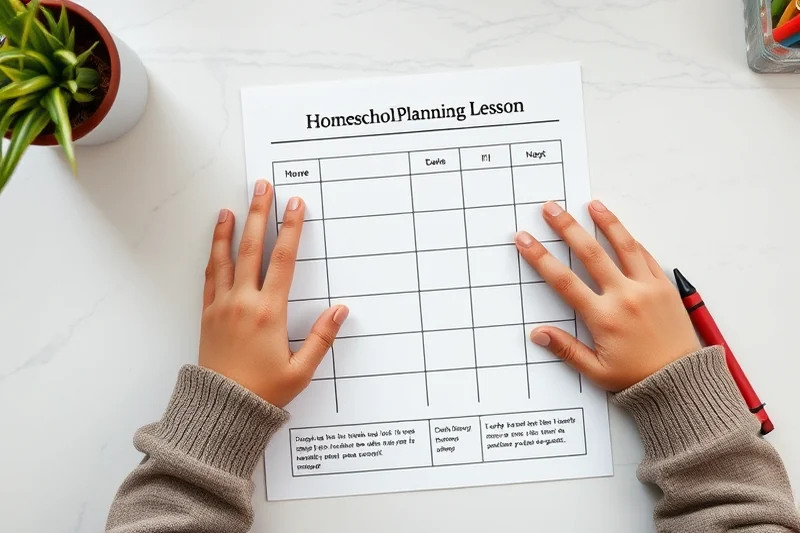
I've found that using this printable as a weekly planner has helped my family create a consistent rhythm to our homeschool days. By dedicating specific blocks of time to core subjects, creative projects, and breaks, we've reduced the stress of last-minute decisions and kept our learning on track. The printable's layout includes columns for each day of the week, making it easy to see at a glance what's planned and what still needs to be filled in. This has been especially helpful during busy seasons, like the start of a new school year or when managing extracurricular activities.
The printable also includes sections for noting completed tasks, upcoming assessments, and special events. This allows me to stay ahead of the curve and plan ahead, rather than scrambling at the last minute. For example, if I notice that we're falling behind in math, I can adjust the following week's schedule to focus more on that subject without feeling overwhelmed. This flexibility is key to maintaining a successful homeschool environment that still feels relaxed and enjoyable for everyone involved.
One of the things I love most about this printable is that it's designed to be reused week after week. I simply fill in the new schedule and wipe the previous one clean, which has saved me both time and money compared to buying new planners each month. This sustainability factor, combined with the ease of use, makes it a staple in our homeschool toolkit. It's helped us maintain momentum and consistency, which are essential for long-term learning success.
Common Questions
How long does it take to prepare the printable?
Can I use the printable for multiple children?
Is the printable suitable for beginners?
Can I customize the printable?
References
Cite this guide
Plannedathome (2026). Homeschool Planning Lesson Printable. https://plannedathome.com/homeschool-planning-lesson-printable/
Feel free to cite or share this guide.
Homeschool Week Planner
Daily homeschool schedule with subject minutes by grade band.
Open it free →