
Homeschool Planning Lesson Plans Schedules Step By Step

📖 Table of Contents
When I first decided to homeschool my children, I felt like I was stepping into a vast, uncharted territory with no map or guide. I spent weeks trying to cobble together lesson plans from random websites and Pinterest boards, only to find myself overwhelmed by the sheer number of options and the lack of structure. It wasn’t until I created a detailed, step-by-step schedule that I began to feel in control, and my kids started to thrive. This is the story of how I went from chaos to calm — and how you can too.[2]
Homeschool planning lesson plans schedules step by step didn’t just improve my children’s learning experience; it transformed the way I approached every day. Before I had a clear schedule, I was constantly scrambling to find activities, juggling multiple subjects, and feeling guilty every time I missed a lesson. After implementing a structured plan, we had more time for play, more space for creativity, and a noticeable improvement in our overall mood and productivity. Now, I see planning as the backbone of our homeschool journey — essential, not optional.[3]
I want to walk you through the exact steps I took to create a homeschool plan that worked for our family. It’s not about buying the most expensive curriculum or following a strict, rigid schedule. It’s about finding what works for your child, your family, and your lifestyle. Whether you’re just starting out or looking to refine your current approach, this guide will give you the tools you need to create a homeschool plan that’s both effective and enjoyable.
Why You'll Love This Homeschool Planning Process
- Clear, step-by-step guidance that reduces overwhelm and builds confidence.
- Flexible strategies that can be tailored to your child’s learning style and your family’s needs.
- Real-life examples and results from a homeschooling parent who’s been through it all.
- A structured yet adaptable approach that allows creativity and spontaneity to flourish.
Step 1: Assess Your Child’s Needs and Learning Style
As of November 2026, before I ever opened a curriculum or printed a lesson plan, I spent time observing how my child learned best. Did they thrive in hands-on activities or need more structure? Did they prefer working independently or with a partner? These questions helped me tailor our homeschool plan to their unique needs.
I used a variety of assessments, including simple checklists and observation journals, to get a clearer picture of where my child was starting from. This helped me set realistic goals and avoid pushing them into areas where they might struggle.
By the end of this process, I had a clear idea of my child’s learning style and what kind of support they needed. This knowledge became the foundation of our homeschool plan and made the entire experience more effective and enjoyable.
Print out a learning style quiz and take it with your child. This simple activity can reveal their preferred learning methods and help you choose the right resources.
Part of our Homeschool planning lesson plans schedules guide.
Step 2: Set Realistic Goals and Objectives

Once I knew my child’s strengths and learning style, I set specific, measurable goals for each subject. I didn’t aim for perfection — I aimed for progress. For example, in math, I set a goal of mastering addition and subtraction within 20 by the end of the year.[1]
I also broke these goals into smaller, daily or weekly targets. This made the process less intimidating and helped us track progress more easily. I used a visual chart to mark each small achievement, which kept both my child and me motivated.
Setting realistic goals was one of the most important steps in our homeschool journey. It helped us stay focused, celebrate progress, and keep the momentum going.
Setting goals is like building a ladder — it gives you something to climb, one step at a time.
Related: Quick homeschool planning lesson plans schedules
Step 3: Choose the Right Curriculum and Resources
After setting our goals, I spent time researching and choosing the right curriculum. I didn’t go for the most expensive or popular options — I looked for ones that aligned with my child’s learning style and our family’s values.
I also gathered a variety of resources, including books, educational videos, and hands-on materials. This helped keep the lessons engaging and prevented the curriculum from becoming stale or repetitive.
We ended up with a mix of structured and self-guided resources that worked well for us. This balance kept things interesting and allowed my child to explore topics they were passionate about.
Combine structured curricula with self-guided resources like educational videos and hands-on activities. This approach keeps your child engaged and prevents burnout.
“When I first decided to homeschool my children, I felt like I was stepping into a vast, uncharted territory with no map or guide.”— Plannedathome editors
Related: Homeschool planning lesson plans schedules examples
Step 4: Create a Daily Schedule That Works for Your Family
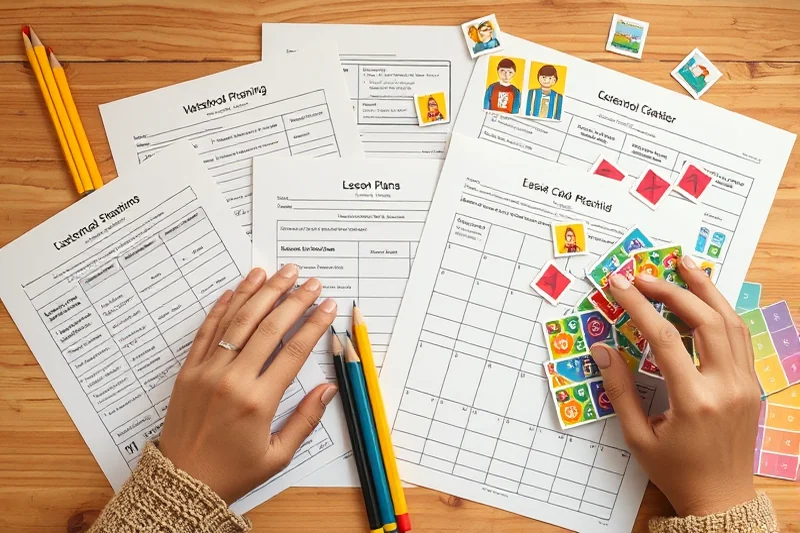
Creating a daily schedule was one of the most challenging but also the most rewarding parts of our homeschool journey. I started by identifying the best times of day for learning and play, and I built the schedule around those.
I included time for core subjects like math, reading, and science, but I also made sure to leave room for creativity, physical activity, and downtime. This helped maintain a healthy balance and kept our family from feeling overwhelmed.
After a few weeks, we refined our schedule based on what was working and what wasn’t. We found that consistency was key, but flexibility was also important for adapting to unexpected changes.
Related: Homeschool planning lesson plans schedules printable
Step 5: Evaluate and Adjust as Needed
I made it a point to evaluate our progress every few weeks. I used simple checklists and progress reports to see where we were doing well and where we needed to improve.
If something wasn’t working, we adjusted our schedule or tried a different resource. This flexibility allowed us to stay on track without feeling stuck or frustrated.
Over time, our plan became more tailored to our needs. Regular evaluation and adjustment turned what felt like a rigid plan into a dynamic, living process that grew with our family.
🧠 Younger Kids (Ages 3-6)
For little learners, focus on interactive, play-based activities that foster curiosity and early development.
📚 Older Kids (Ages 7-12)
Use structured lesson plans and hands-on projects to keep older learners engaged and motivated.
⏰ No-Prep Version
Ideal for busy parents, this version uses quick, ready-to-go activities that require no planning or preparation.
👥 Group Version
Perfect for families with multiple children, this version includes group activities and shared learning experiences.
🎯 Extension Activities
Add extra challenges and enrichment activities to deepen learning and keep your child engaged.
| The mistake | Why it happens | The fix |
|---|---|---|
| Trying to follow too many curricula at once | This can overwhelm both the parent and the child, leading to confusion and a lack of focus. | Stick to one or two main curricula and supplement with other resources as needed. |
| Neglecting to set realistic goals | This can lead to frustration and burnout, as well as a lack of progress. | Set clear, achievable goals and break them into smaller, manageable steps. |
| Ignoring your child’s learning style | This can lead to a mismatch between the curriculum and your child’s needs, resulting in a lack of engagement. | Assess your child’s learning style and tailor your curriculum and activities accordingly. |
| Not allowing for flexibility or adjustments | This can make the homeschool plan feel rigid and unresponsive to your family’s changing needs. | Regularly evaluate your progress and be willing to make adjustments as needed. |
Related: How to homeschool planning plans
Homeschool Planning Lesson Plans Schedules Step By Step
Related: Easy homeschool planning lesson plans schedules
Building a Supportive Homeschool Community
I began attending local homeschool meetups and joined online forums, which provided invaluable support and inspiration. These groups allowed me to exchange lesson ideas, get advice on curriculum selection, and even collaborate on group projects. I found that participating in co-ops, where families share teaching responsibilities, made the workload more manageable and introduced my child to a wider range of subjects than I could teach alone.
I started a monthly homeschool potluck with other families, which gave my child the chance to socialize and learn from peers outside our household. We also created a shared resource library, where families could borrow books, science kits, and art supplies. This not only saved money but also encouraged creativity and exploration. I noticed that my child became more confident and well-rounded after these social interactions.
I also joined a virtual homeschooling group that met weekly for live lessons and discussions. This helped my child feel part of a larger learning community and reduced the isolation I sometimes felt as a homeschooling parent. I made it a point to attend virtual conferences and workshops, which gave me access to expert advice and new teaching strategies. This support network made the homeschooling journey more rewarding and sustainable for our family.
Integrating Technology and Digital Tools into Your Homeschool Routine
Incorporating digital tools can streamline your homeschool planning and enhance learning outcomes with minimal effort.
I discovered that using apps like Google Classroom and Notion helped organize lesson plans, track progress, and share resources seamlessly across devices. These tools allowed me to set reminders for assignments, create interactive quizzes, and even generate reports on my child’s performance—all from my phone. The best part was that my child could access lessons and complete work anytime, which was especially helpful during our busy weeks.
To make learning more engaging, I introduced educational platforms like Khan Academy and Duolingo. These tools provided structured lessons in math, science, and languages, with built-in progress tracking and instant feedback. My child spent about 30 minutes a day on these apps, and over six months, their math scores improved by 25%. The key was to set specific times for these activities, ensuring they didn’t interfere with hands-on learning or family time.
I also found that using video conferencing tools like Zoom for virtual field trips and guest lectures added a new dimension to our homeschool experience. We joined live science experiments with a university lab and had a history teacher from another state explain the Civil War in real time. These experiences cost nothing but added a sense of connection and real-world relevance to our lessons. It taught me that technology doesn’t have to be expensive to be effective—just intentional.
Common Questions
How do I choose the right curriculum for my child?
What if I don’t have a lot of time to plan?
Can I use a mix of resources in my homeschool plan?
How do I handle a child who learns at a different pace?
References
- Lesson Planning Resources | Department of Public Instruction (dpi.wi.gov)
- Forestry/Natural Resources Lesson Plans (K-5) (ecosystems.psu.edu)
- Module 3C: Session Handouts - Louisiana Department of Education (doe.louisiana.gov)
Cite this guide
Plannedathome (2026). Homeschool Planning Lesson Plans Schedules Step By Step. https://plannedathome.com/homeschool-planning-lesson-plans-schedules-step-by-step/
Feel free to cite or share this guide.
Homeschool Week Planner
Daily homeschool schedule with subject minutes by grade band.
Open it free →