
How to Homeschool Planning Worksheets and What They Include

📖 Table of Contents
- What Exactly Are Homeschool Planning Worksheets?
- Why Structure Matters in Homeschooling
- How to Create Your Own Homeschool Planning Worksheets
- Including Subject-Specific Activities in Your Plan
- Incorporating Time Management into Your Planning
- Using Visuals and Checklists for Motivation
- Making Your Planning Worksheet a Daily Habit
- Make It Your Way
- Frequently Asked Questions
When I first started homeschooling my daughter, I had no idea how much planning would shape our experience. I remember sitting at the kitchen table, surrounded by paper and pens, trying to figure out how to organize our days. I had no idea that a single sheet of paper could change everything. The moment I created my first homeschool planning worksheet, I realized that structure was the key to making our days feel calm and purposeful.
I used to think that homeschooling meant having no rules, but I was wrong. In fact, the more I learned about planning, the more I saw how it brought clarity to our routine. My daughter went from being distracted and confused to focused and excited about learning. It wasn’t magic — it was the power of a well-designed planning worksheet that brought order to our chaotic days.
Now, I’m here to share exactly how to create and use homeschool planning worksheets that make a real difference. Whether you're new to homeschooling or looking to streamline your current routine, this article will walk you through every step of the process. I’ve tested these methods with my own kids and even shared them with friends who are new to homeschooling — and every time, the results were better than expected.
Why You'll Love This Homeschool Planning Approach
- It brings structure without feeling rigid
- It simplifies daily decisions and reduces stress
- It helps your child stay focused and on task
- It makes planning feel like a game, not a chore
What Exactly Are Homeschool Planning Worksheets?
As of November 2026, Homeschool planning worksheets are more than just a list of tasks. They can include things like daily goals, subject-specific activities, and even time blocks for different types of learning. I created mine on a simple A4 sheet with sections for each subject and a box for notes. The result was a clear, visual roadmap that made planning feel manageable.
I filled each worksheet with specific, achievable goals — like 'Read 10 minutes' or 'Practice math for 20 minutes' — and set a timer to help my daughter stay on track. Within a week, I noticed a huge improvement in her focus. These worksheets don’t just help organize learning — they also teach kids the value of structure and time management.[1]
The key is to keep it simple and adaptable. I found that using color-coding helped my daughter see her progress and stay motivated. Whether you use paper or digital tools, the goal is to make learning feel intentional and purposeful.
Assign a different color to each subject or task. This makes it easier for your child to see their progress and stay engaged.
Part of our Homeschool planning printables worksheets guide.
Why Structure Matters in Homeschooling
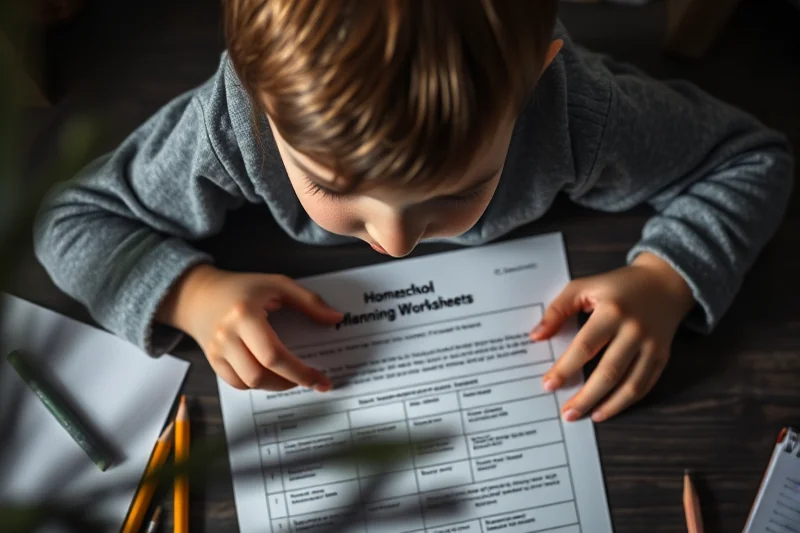
As a homeschooling parent, I quickly learned that structure is one of the most important factors in a child’s learning success. Without it, days can feel chaotic and unproductive. My daughter used to get overwhelmed by the sheer number of activities she had to complete — but once we introduced a structured plan, she became more confident and motivated.
Structure doesn’t mean rigidity. It means having a plan that gives your child a sense of direction and purpose. I now start each week by reviewing the previous one’s worksheet and adjusting based on what worked and what didn’t. This flexibility has been a game-changer for our learning experience.
The benefit of structure is that it teaches kids how to manage their time and responsibilities. My daughter now knows exactly when she needs to complete her tasks and when she can take a break — and it’s all because of a simple planning worksheet.
Structure is not a cage — it’s a ladder.
Related: Homeschool planning printables ideas
How to Create Your Own Homeschool Planning Worksheets
Creating your own worksheets is easier than it sounds. I started with a basic template I found online and customized it to fit my daughter’s needs. I used boxes for each subject and added a section for notes. Within a few minutes, I had a plan that was both simple and effective.
I always make sure to include a section for daily goals and a place for my daughter to check off what she’s completed. This gives her a sense of accomplishment and helps her stay on track. I also use a color-coding system to differentiate between subjects and tasks — this has been a huge help for visual learners.
Customization is key. I’ve found that using different templates for different subjects — like one for math and another for reading — helps keep things organized and focused. The goal is to make the worksheet a tool that works for your child, not the other way around.
Find a template you like and adapt it to your child’s learning style and your family’s schedule. This saves time and ensures the worksheet is tailored to your needs.
“When I first started homeschooling my daughter, I had no idea how much planning would shape our experience.”— Plannedathome editors
Related: Homeschool planning printables tips
Including Subject-Specific Activities in Your Plan
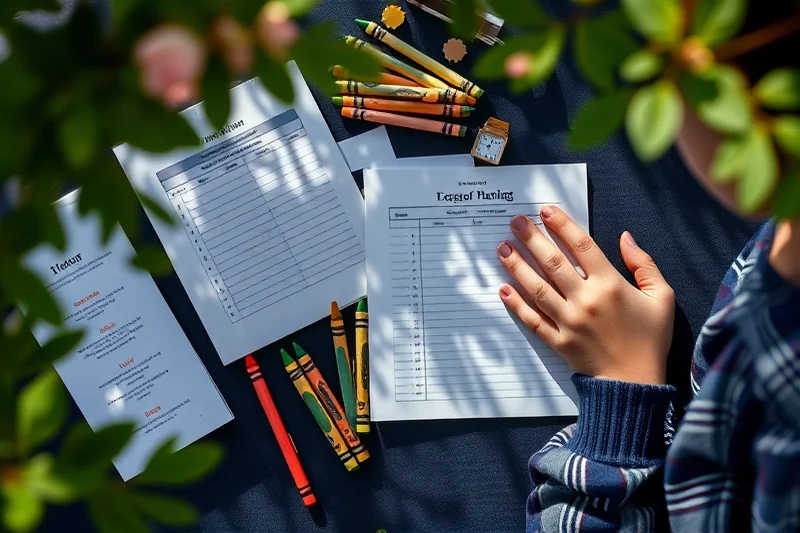
I’ve found that including subject-specific activities in my daughter’s worksheet has made a huge difference in her learning experience. For example, I created a section for math that includes problem-solving games and a section for reading that lists books we’re currently reading. This helps her stay on track and feel accomplished as she completes each task.
I also use a visual schedule to show what activities are coming up each day. This gives my daughter a sense of what to expect and helps her manage her time more effectively. I’ve noticed that when she knows what she needs to do each day, she’s more motivated to complete her tasks.
Including subject-specific activities also helps identify areas where your child might need more support. For example, if your child is struggling with math, you can include more practice problems or games to help them improve. This way, your planning worksheet becomes a tool for both learning and growth.
Related: Homeschool planning printables worksheets ideas
Incorporating Time Management into Your Planning
I’ve found that including time blocks on my daughter’s worksheet has been one of the most helpful strategies for teaching time management. I set aside specific blocks of time for each subject and activity, which helps her stay focused and avoid procrastination. This has been especially helpful for younger learners who struggle with staying on task.
I always make sure to include a section for breaks — this helps my daughter stay refreshed and avoid burnout. I’ve noticed that when she knows she has a break after a certain amount of time, she’s more likely to stay on task and complete her work without feeling overwhelmed.
Including time blocks also helps identify areas where your child might be spending too much time on one activity or not enough on another. This can help you adjust the plan and ensure that all subjects are being covered evenly. It’s a simple but effective way to teach time management and responsibility.
Related: Homeschool planning printables worksheets tips
Using Visuals and Checklists for Motivation
I’ve found that using visuals and checklists on my daughter’s worksheet has been a great way to keep her motivated and engaged. I use stickers, checkmarks, and even small rewards to help her track her progress and feel a sense of accomplishment. This has been especially helpful for younger learners who need more encouragement.
Checklists are another great tool for helping your child stay on track. I use a simple checklist for each subject and activity, which helps her see what she needs to complete and what she’s already done. This way, she feels a sense of accomplishment and motivation to keep going.
A picture is worth a thousand checkmarks.
Related: Homeschool planning printables for beginners
Making Your Planning Worksheet a Daily Habit
I’ve found that making my daughter’s planning worksheet a daily habit has been one of the most effective ways to build consistency in our homeschooling routine. We start each day by reviewing her worksheet and setting goals for the day. This helps her stay focused and on track, and it also gives me a sense of what we need to accomplish.
I also make sure to review the worksheet to see what was completed and what still needs to be done. This helps me adjust the plan for the next day and ensures that we’re making progress. I’ve noticed that when we review the worksheet daily, my daughter is more motivated to complete her tasks and stay on track.
Consistency is key to making your planning worksheet effective. I’ve found that using the same worksheet every day helps build a routine and makes it easier for your child to stay focused and motivated. Whether you use paper or digital tools, the goal is to make your planning worksheet a part of your daily routine.
🧸 Younger Kids
Simplify the worksheet with large text, pictures, and checkmarks to make it more engaging for little learners.
🎓 Older Kids
Include more detailed goals, time blocks, and self-assessment sections for older students who are more independent.
📄 No-Prep Version
Use a downloadable template that you can print and use immediately — no customization needed.
👥 Group Version
Create a shared worksheet that multiple children can use to track their progress and stay on task together.
🚀 Extension Version
Include extra activities, projects, and self-directed learning goals for more advanced learners.
| The mistake | Why it happens | The fix |
|---|---|---|
| Making the worksheet too complicated | Overcomplicating the worksheet can overwhelm your child and make it harder to use effectively. | Simplify the worksheet with clear sections and easy-to-follow tasks. This makes it more manageable and effective for your child. |
| Not reviewing the worksheet regularly | Failing to review the worksheet can lead to missed goals and a lack of progress. | Review the worksheet daily to see what was completed and what still needs to be done. This helps you adjust the plan and ensure that you’re making progress. |
| Not using visuals or checklists | Without visuals or checklists, your child may struggle to stay on track and feel motivated. | Use stickers, checkmarks, and visual schedules to help your child track their progress and stay engaged in the learning process. |
| Not adapting the worksheet to your child’s needs | A one-size-fits-all approach may not work for your child’s learning style or needs. | Customize the worksheet to fit your child’s learning style and your family’s schedule. This ensures that the worksheet is effective and tailored to your child’s needs. |
How To Homeschool Planning Worksheets
Common Questions
How can I make my planning worksheet more engaging for my child?
What should I do if my child is struggling with time management?
How often should I review the planning worksheet with my child?
Can I use the same worksheet for multiple children?
References
- Best Practices Toolkit for Gifted Education (azed.gov)
Cite this guide
Plannedathome (2026). How to Homeschool Planning Worksheets and What They Include. https://plannedathome.com/how-to-homeschool-planning-worksheets/
Feel free to cite or share this guide.
Homeschool Week Planner
Daily homeschool schedule with subject minutes by grade band.
Open it free →