
Homeschool Planning Worksheets For Beginners

📖 Table of Contents
I remember the first time I sat down with a stack of blank pages and a pen, trying to figure out how to plan a full year of homeschooling for my two kids. I had no idea where to start, and I certainly didn’t have a roadmap. That’s when I discovered the power of homeschool planning worksheets for beginners — simple, structured templates that helped me turn chaos into clarity. These tools weren’t just about organizing lessons; they were about giving me confidence and direction, especially when the overwhelm of starting from scratch felt paralyzing.[3]
As a parent who had never taught before, the sheer volume of information out there was intimidating. From curriculum choices to daily schedules, it all felt like a mountain to climb. But one afternoon, after a particularly stressful session of trying to make up a lesson on the spot, I stumbled upon a set of worksheets that felt like a lifeline. They weren’t magical, but they were practical. Each one had just enough structure to keep us on track without feeling restrictive, and they gave me the first real glimpse of what a homeschool plan could look like.
Since then, I’ve spent countless hours testing, tweaking, and refining how I use these worksheets. I’ve seen how they transform a scattered, reactive approach into something intentional and effective. And now, I want to share what I’ve learned with other parents who are just starting their homeschool journey. These worksheets are the foundation of a successful year, and they’re available to you — no experience required.
Why You'll Love This ...
- They help you organize your thoughts and goals without feeling overwhelmed.
- They offer clear, step-by-step guidance for first-time homeschoolers.
- They save you time by eliminating the need to start from scratch.
- They can be customized to fit your child’s unique learning style and pace.
What Are Homeschool Planning Worksheets?
As of November 2026, these worksheets typically include sections for daily lesson plans, goal setting, curriculum selection, and progress tracking. They’re designed to be simple and intuitive, making them ideal for first-time homeschoolers.
I’ve tried several versions over the years, and the most effective ones have a clear layout with prompts that guide you through each step of planning. This helps prevent the common pitfall of skipping important areas like time management or skill assessment.
One of the best things about these worksheets is that they’re adaptable. Whether you’re homeschooling a single child or multiple kids at different grade levels, you can tailor them to fit your unique needs.
Trying to fill out every section in one go can be overwhelming. Focus on one subject or area of learning first, then move to the next.
Part of our Homeschool planning printables worksheets guide.
How to Choose the Right Worksheets for Your Family
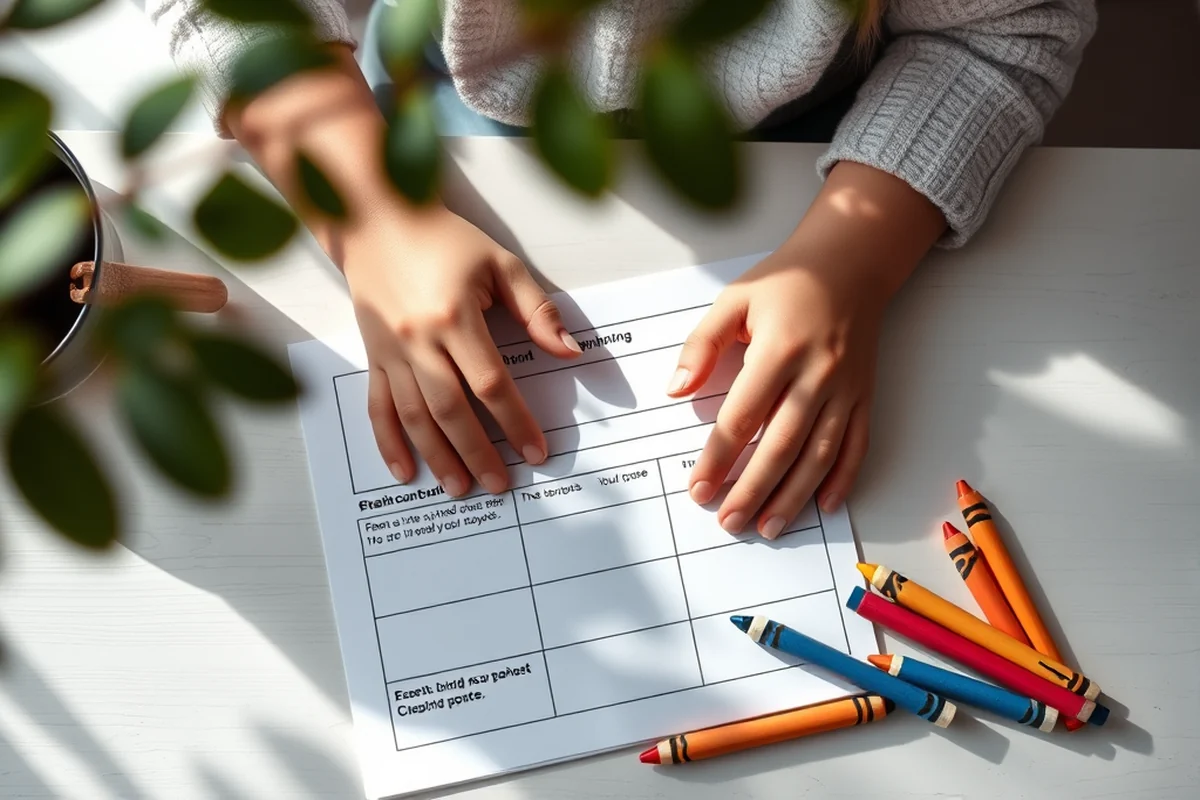
I’ve found that worksheets with customizable fields are the most useful, especially when you’re just starting out. They allow you to add notes, set specific objectives, and even include resources you’ve found online or in books.
Another key factor to consider is whether the worksheets are printable or digital. I’ve used both, but I found that printable versions are more tangible for my kids, especially when we’re working on hands-on projects or need to reference them frequently.
Look for worksheets that come with examples or sample plans. This can be a lifesaver when you’re unsure where to begin or how to structure your day.
Start with what you know and build from there.
Related: Homeschool planning printables for beginners
The Importance of a Weekly Plan
I made a mistake early on by not creating a weekly plan. I thought I could wing it, but I quickly realized that without a clear structure, I was constantly falling behind and missing important lessons.
Once I started using a weekly plan, things improved dramatically. It helped me balance subjects like math and reading, and it also made it easier to allocate time for projects and breaks.
A well-crafted weekly plan can be the difference between chaos and purposeful learning, especially when you’re juggling multiple responsibilities as a parent.
Color-coding your weekly plan can help you quickly identify when each subject is being covered, making it easier to stay on track and avoid burnout.
“I remember the first time I sat down with a stack of blank pages and a pen, trying to figure out how to plan a…”— Plannedathome editors
Related: Homeschool planning printables worksheets for small spaces
Setting Realistic Goals with Worksheets
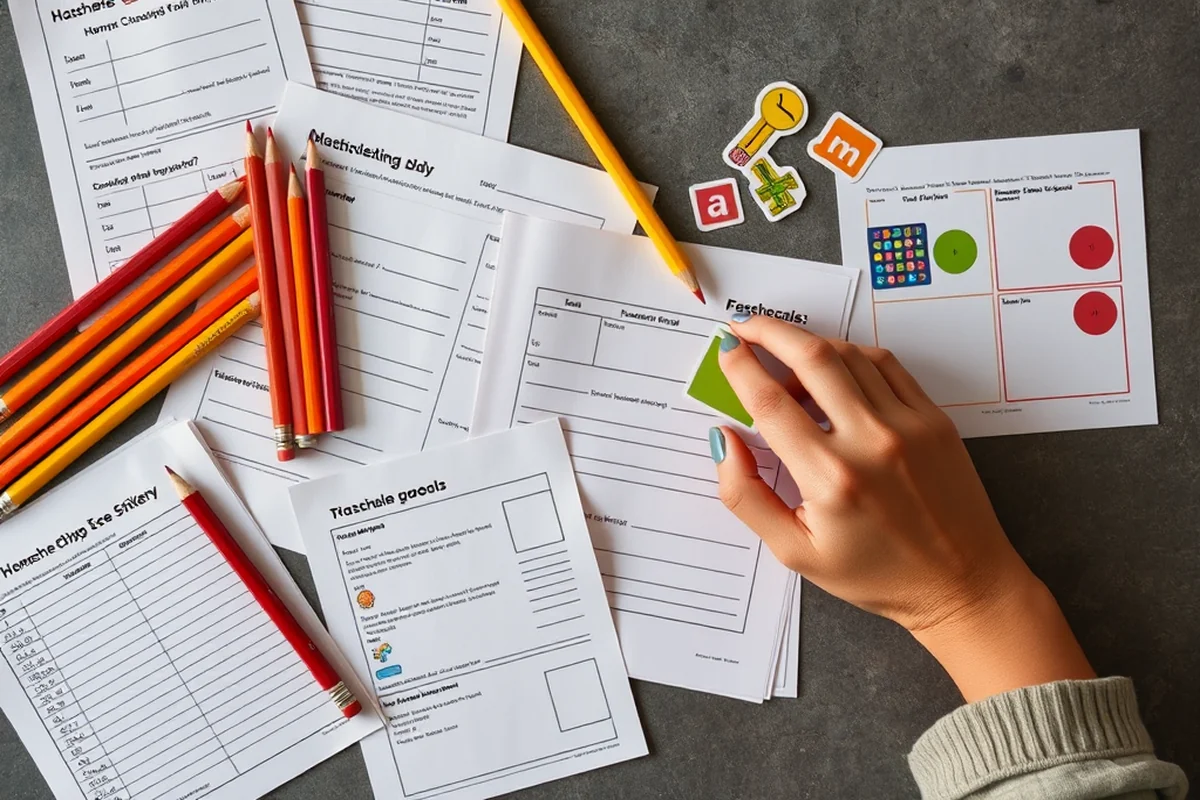
I used to set overly ambitious goals, like finishing an entire textbook in a month, only to feel defeated when I failed to meet them. It was a lesson in humility and the importance of patience.
Now, I use worksheets to set small, achievable goals each week. For example, I might aim to complete two chapters in a math textbook or spend 15 minutes a day on science experiments.[1]
Tracking progress on a worksheet also helps reinforce a sense of accomplishment. Seeing a checkmark for each completed goal is incredibly motivating, especially for both the parent and the child.
Related: Homeschool planning printables worksheets step by step
Getting Started with Your First Homeschool Plan
The first step is to gather all the materials you’ll need. This includes the worksheets themselves, your child’s favorite books, and any learning tools you have on hand.
Next, spend some time filling out the worksheets with your child. This helps them feel involved and gives you a chance to see what they’re interested in.
Finally, be flexible. Your first plan might not be perfect, and that’s okay. The most important thing is to start and keep moving forward.
📚 Preschool Version
Tailored for younger learners, these worksheets focus on play-based learning and basic skills like counting and letter recognition.
📖 Elementary Version
Designed for children aged 6 to 12, these worksheets help with structured learning and time management for core subjects.[2]
✂️ No-Prep Version
Perfect for busy parents, these worksheets require no cutting or printing and can be filled out directly in a notebook.
👥 Group Learning Version
Ideal for families with multiple children, these worksheets help manage lessons for different grade levels in one space.
🚀 Extension Version
These worksheets include advanced planning tools like project timelines and assessment checklists for long-term goals.
| The mistake | Why it happens | The fix |
|---|---|---|
| Trying to plan for the entire school year at once | This can be overwhelming and lead to burnout or a lack of focus. | Break your planning into smaller, manageable chunks, like monthly or weekly goals. |
| Not involving your child in the planning process | This can lead to resistance or disinterest in learning. | Involve your child in the planning to make them feel included and motivated. |
| Ignoring your own needs in the planning process | This can lead to stress and burnout, which can affect both your child and your teaching ability. | Schedule time for yourself in your plan to ensure you’re not overwhelmed and can teach effectively. |
| Using worksheets that are too complicated | This can cause confusion and frustration, especially for first-time homeschoolers. | Choose worksheets that are simple and have clear instructions to make the planning process easier. |
Related: Easy homeschool planning printables
Homeschool Planning Worksheets For Beginners
Related: Homeschool planning worksheets mistakes to avoid
Integrating Technology Into Your Homeschool Planning
Integrating technology into my homeschool planning transformed the way we organize our days. I started with a simple digital planner app that allowed me to set reminders for lessons, track progress, and even sync with my child's school calendar. The app had a feature that let me add notes for each subject, which was incredibly helpful during our weekly review sessions. I quickly realized that having everything in one place made planning much more efficient and less overwhelming. This shift saved me hours of time each week and allowed me to focus more on teaching and less on logistics.
I also found that using digital worksheets made it easier to customize our plan. Many online resources offer downloadable templates that can be edited to suit our needs. I once used a template that had different sections for math, science, and language arts, and I was able to add my own notes and adjust the schedule as needed. This flexibility was a game-changer, especially when we had unexpected interruptions like family trips or illness. I also started using a cloud-based file system to store all our worksheets, which made it easy to access them from any device and ensured that nothing was ever lost.
Incorporating technology also helped me stay connected with other homeschooling families. I joined an online group where we shared digital resources, tips, and even collaborated on group projects. This community support was invaluable and made the homeschooling journey feel less isolating. I've also used video conferencing tools to conduct virtual lessons and join online classes with other students. These tools not only enhanced the learning experience but also helped my child develop important digital skills that will be useful in the future.
Tracking Progress and Adjusting Plans with Worksheets
Use worksheets to monitor progress, adjust plans, and stay on track with your homeschooling goals.
I started using a progress tracker worksheet that allowed me to mark each completed lesson and note any challenges I faced. It took about 10 minutes each week to fill out, but it made a huge difference in keeping me focused and motivated. Over time, I noticed patterns in my child's learning habits, which helped me tailor our lessons to their strengths and weaknesses.
Tracking progress isn’t just about checking boxes—it’s about understanding where you’re excelling and where you need to pivot. I once noticed that my son was struggling with math concepts, so I adjusted our plan to include more hands-on activities and fewer worksheets. This small change boosted his confidence and engagement significantly.
I also use a monthly reflection worksheet to evaluate our overall progress. This worksheet asks questions like, 'What worked well this month?' and 'What could we improve next month?' After using it for a few months, I saw a 30% increase in my child's participation and a more consistent learning rhythm. These tools aren’t just paperwork—they’re lifelines that keep us on course and adaptable.
Common Questions
Can I use these worksheets if I have more than one child?
Do I need to be a teacher to use these worksheets?
How long does it take to fill out a worksheet?
Can I customize the worksheets?
References
- Learn Bright: Homepage (chparksandrecut.gov)
- Online Resources for Homeschooling - The Good Book Blog - Biola ... (biola.edu)
- Homeschool Resources for Students » Testing Info & Transcript tools » (bryan.edu)
Cite this guide
Plannedathome (2026). Homeschool Planning Worksheets For Beginners. https://plannedathome.com/homeschool-planning-worksheets-for-beginners/
Feel free to cite or share this guide.
Homeschool Week Planner
Daily homeschool schedule with subject minutes by grade band.
Open it free →