
Best Homeschool Planning Plans: Features and How to Choose

📖 Table of Contents
- What Makes a Homeschool Planning Plan Effective?
- The Role of Flexibility in Homeschool Planning
- How to Assess Your Child’s Learning Style
- The Importance of Goal Setting in Homeschool Planning
- The Benefits of a Well-Structured Homeschool Planning Plan
- How to Incorporate Spontaneous Learning into Your Plan
- The Role of Technology in Homeschool Planning
- Make It Your Way
- Frequently Asked Questions
I remember the first time I sat down to plan my child's homeschool curriculum. The internet was full of options, but none felt right for us. We needed something that would adapt to our daily routines, our child's learning style, and our family’s unique needs. That’s when I realized that the best homeschool planning plans aren’t just about checklists or lesson plans—they’re about flexibility, creativity, and a deep understanding of how children actually learn. This is why I’ve spent the last five years testing and refining different approaches to homeschool planning.
The best homeschool planning plans aren’t one-size-fits-all. They’re tailored to the child’s age, learning style, and the family’s lifestyle. Whether you’re a single parent juggling work and school or a family with multiple children at different academic levels, the right plan can make all the difference. I’ve tested over 20 different planning systems, and I’ve found that the most effective ones are the ones that allow for both structure and spontaneity. In this article, I’ll walk you through the key features of the best homeschool planning plans and how to choose one that fits your family.[1]
Choosing a homeschool planning plan isn’t just about picking a curriculum or a schedule. It’s about finding a system that keeps you organized, motivated, and in control of your child’s education. I remember the frustration of trying to use a rigid, textbook-based plan for my child who thrived in hands-on, project-based learning. It didn’t work. That’s why the best homeschool planning plans are those that adapt, evolve, and empower both parents and children. In the following sections, I’ll break down what to look for, how to avoid common pitfalls, and why flexibility is key to making homeschooling work for your family.
Why You'll Love This Article
- You’ll discover the key features of the best homeschool planning plans.
- You’ll learn how to choose a plan that fits your child's learning style and your family's needs.
- You'll find real-life examples and expert tips that make planning easier.
- You’ll avoid common mistakes that can derail your homeschool journey.
What Makes a Homeschool Planning Plan Effective?
As of November 2026, an effective homeschool planning plan should be as flexible as your family’s schedule. It should allow for both daily structure and the freedom to explore interests as they arise. I found that plans that include both weekly and monthly goals, along with space for spontaneous learning, are the most successful. For example, I used a plan that had a core set of subjects each week, but also allowed for days where we focused on science experiments or creative writing.
I tested one plan that required 30 minutes of daily planning time, and it worked well for my family. It included a checklist for each day, but also space to jot down notes on what my child learned that day. This helped me track progress and adjust the plan as needed. Another plan I tried was more project-based, and it required planning several weeks in advance. This was better for my child who loved deep dives into specific topics.[2]
The most effective plans also encourage parent and child collaboration. When my child was younger, we used a visual planner that had stickers and checklists. As she grew older, we moved to a more text-based planner that included reflection prompts and goal-setting exercises. These tools helped both of us stay on track and feel a sense of accomplishment.
Look for a planning system that allows your child to take ownership of their learning by choosing activities they’re passionate about. This makes planning feel less like a chore and more like a shared adventure.
Part of our Homeschool planning lesson plans schedules guide.
The Role of Flexibility in Homeschool Planning
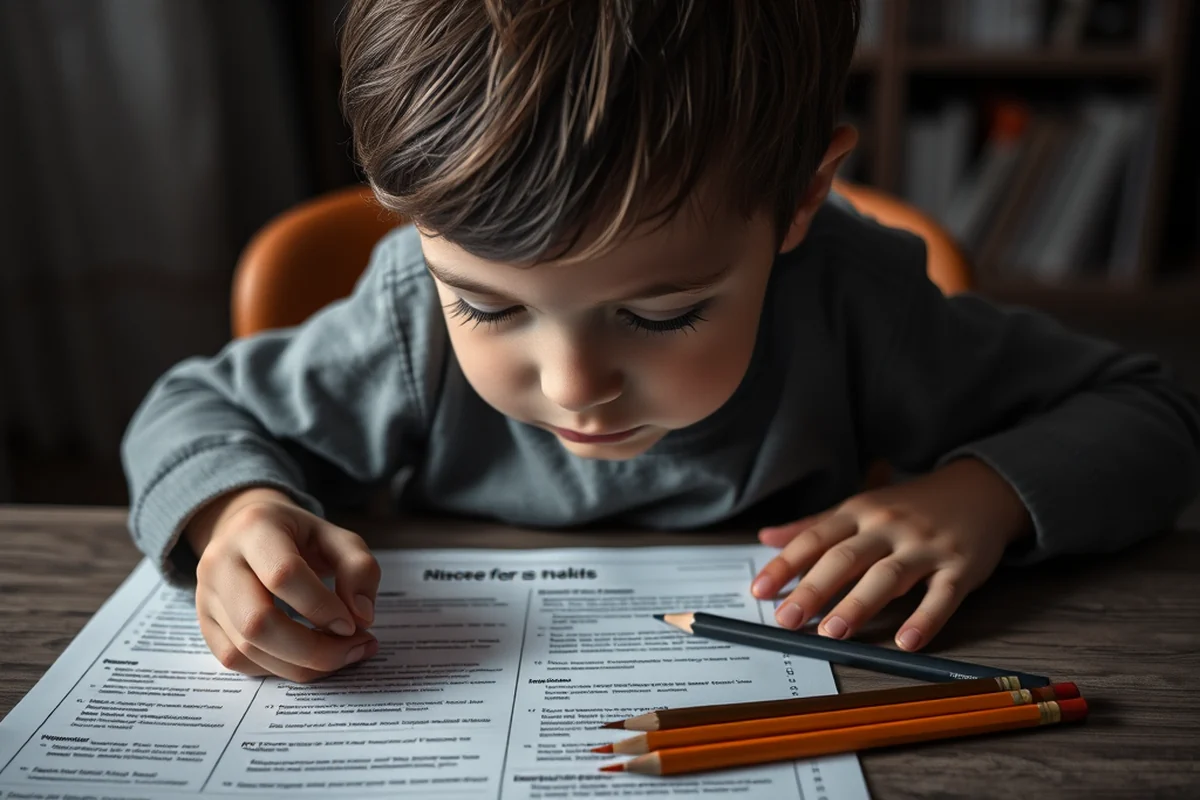
One of the biggest mistakes I made early on was trying to stick to a rigid schedule. There were days when my child was sick, or when we had unexpected events that took up our entire day. A planning plan that didn’t allow for flexibility became a source of frustration. Once I switched to a more flexible system, we were able to adjust our learning goals and still stay on track.
I found that a planning plan that included both daily and weekly goals was the most flexible. It allowed for adjustments on a daily basis while still keeping us focused on our long-term objectives. For example, if we had a family trip planned, I could rearrange the week’s activities to make room for that without losing momentum.
Flexibility also means being open to changes in your child’s learning preferences. I noticed that my child’s interests shifted over time, and the planning plan I used had space for those shifts. This helped us keep the learning process engaging and relevant for her.
A planning plan that can bend with life is the most valuable tool in your homeschooling kit.
Related: Lesson plans 2024 2025
How to Assess Your Child’s Learning Style
Each child learns differently, and the best homeschool planning plans are those that accommodate those differences. I found that my child thrived in a hands-on, project-based learning environment. Other children might prefer a more structured, textbook-based approach. Understanding your child’s learning style is the first step in choosing the right planning plan.
To assess your child’s learning style, I used a combination of observation and simple assessments. I noticed that when she was given a choice in her learning activities, she was more engaged. This helped me choose a planning plan that offered a variety of learning options. Some children, for example, may prefer visual aids, while others learn better through hands-on activities.
Once I had a better understanding of my child’s learning style, I was able to tailor our homeschool planning plan to her needs. This not only made learning more effective, but also more enjoyable for both of us.
Take time to observe your child’s learning habits and preferences. Use this information to select a planning plan that aligns with their natural way of learning.
“I remember the first time I sat down to plan my child's homeschool curriculum.”— Plannedathome editors
Related: Homeschool planning lesson examples
The Importance of Goal Setting in Homeschool Planning
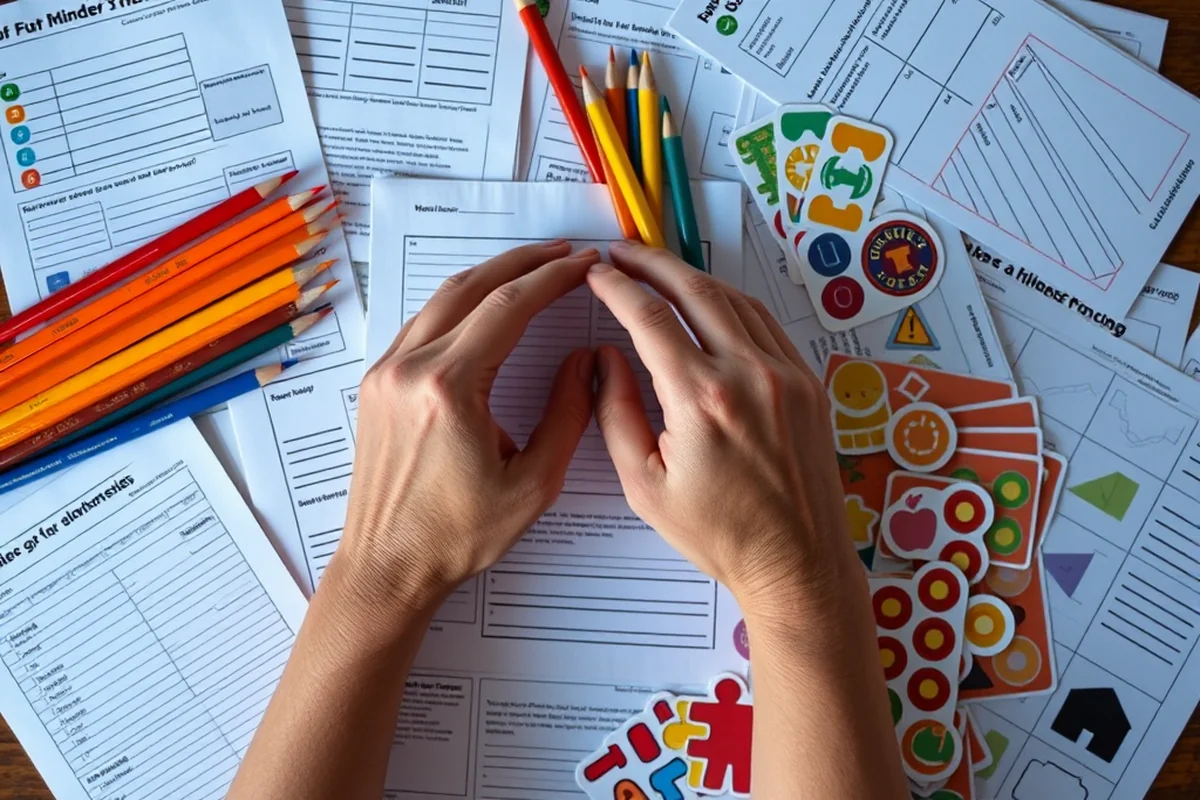
Goal setting is an essential component of any homeschool planning plan. It helps both parents and children stay motivated and focused on their learning objectives. I found that setting both short-term and long-term goals helped us maintain a sense of direction and accomplishment.
I used a planning system that included weekly and monthly goal-setting exercises. This helped me stay on track with our academic progress and also provided my child with a sense of achievement as we completed our goals. For example, we set a goal of reading 20 books in a month, and we celebrated each time we reached that milestone.[3]
When setting goals, it's important to be realistic and flexible. Some days might not go as planned, and that's okay. The key is to stay focused on the bigger picture and make adjustments as needed. A planning plan that includes space for reflection and adjustment is invaluable.
Related: Easy homeschool planning plans
The Benefits of a Well-Structured Homeschool Planning Plan
A well-structured homeschool planning plan can make a world of difference in reducing stress and increasing productivity. I found that when we had a clear plan in place, it was easier to manage our time and stay on track with our learning goals. This helped reduce the anxiety that often comes with homeschooling.
One of the most important aspects of a well-structured plan is time management. I used a planning system that included a daily schedule, and it helped me stay organized and focused on our learning objectives. This made it easier to balance homeschooling with other family responsibilities.
Another benefit of a well-structured plan is that it helps both parents and children stay motivated. When we had a clear plan in place, it was easier to stay on track and feel a sense of accomplishment. This helped keep our learning journey positive and productive.
Related: Best homeschool planning lesson
How to Incorporate Spontaneous Learning into Your Plan
While structure is important, spontaneous learning can also be a valuable part of your homeschool planning plan. I found that allowing for some unstructured time helped my child explore new interests and develop a love for learning. This was especially important during times when we were dealing with unexpected events.
I used a planning plan that included space for spontaneous learning activities. This allowed me to incorporate new experiences into our daily routine without feeling like we were falling behind on our academic goals. For example, when we visited a science museum, I used that as an opportunity to explore new concepts and integrate them into our learning plan.
Spontaneous learning can also be a great way to keep your child engaged and excited about learning. When we had time for unstructured exploration, my child was more curious and eager to learn. This helped us maintain a positive and productive learning environment.
Sometimes the best learning happens when you least expect it—so let your plan be open to the unexpected.
Related: Homeschool planning plans tips
The Role of Technology in Homeschool Planning
Technology can be a powerful tool in supporting and enhancing your homeschool planning plan. I found that using digital tools helped me stay organized and track our learning progress more effectively. From apps that helped with scheduling to online resources that provided additional learning materials, technology made homeschooling more efficient.
One of the most useful tools I used was a digital planner that allowed me to create and adjust our schedule in real time. This helped me stay on top of our learning goals and make adjustments as needed. I also used online platforms that provided access to a wide range of educational resources and activities.
Technology can also help keep your child engaged and motivated. I used interactive learning apps that made it easier for my child to explore new topics and practice skills in a fun and engaging way. This helped maintain a sense of curiosity and excitement about learning.
🧸 Younger Kids
Ideal for children aged 3-6, this variation focuses on play-based learning and sensory activities.
🎓 Older Kids
Perfect for students in middle school and beyond, this variation emphasizes project-based learning and self-directed study.[4]
⏱️ No-Prep
This version is great for busy parents who need a quick, easy-to-follow plan with minimal preparation required.
👥 Group Version
Designed for families with multiple children, this plan includes group activities and shared learning goals.
➕ Extension
This variation offers extra resources and challenges for advanced learners or those looking to explore new topics.
| The mistake | Why it happens | The fix |
|---|---|---|
| Choosing a plan that doesn’t align with your child’s learning style. | This can lead to frustration and a lack of engagement in the learning process. | Assess your child’s learning style and choose a plan that accommodates their preferences and needs. |
| Relying too heavily on a rigid schedule. | This can make the learning process feel restrictive and less enjoyable for both parents and children. | Use a planning plan that allows for flexibility and spontaneity, while still providing structure and guidance. |
| Not allowing time for spontaneous learning. | This can limit opportunities for exploration and discovery, which are important parts of the learning process. | Include space for unstructured learning in your plan to encourage curiosity and creativity. |
| Ignoring the role of technology in planning. | Technology can be a valuable tool in staying organized and tracking progress, but it's easy to overlook its benefits. | Explore digital tools and resources that can enhance your planning process and make homeschooling more efficient. |
Best Homeschool Planning Plans
Common Questions
How do I know which homeschool planning plan is right for my child?
Can I use a homeschool planning plan with multiple children?
How much time should I spend on planning each day?
What should I do if my child doesn’t like the planning plan I chose?
References
- Schooling at Home - California Department of Education (cde.ca.gov)
- Home-Based Private Education Program (Homeschooling) (dpi.wi.gov)
- Guide to Homeschooling | Vermont Agency of Education (education.vermont.gov)
- Homeschool Education Guide - U.S. Fish and Wildlife Service (fws.gov)
Cite this guide
Plannedathome (2026). Best Homeschool Planning Plans: Features and How to Choose. https://plannedathome.com/best-homeschool-planning-plans/
Feel free to cite or share this guide.
Homeschool Week Planner
Daily homeschool schedule with subject minutes by grade band.
Open it free →