
Simple Budget Homeschool Planning: Tips and Strategies for Success

📖 Table of Contents
- Start with a Clear Vision
- Leverage Free Resources
- Create a Learning Space That Works for You
- Plan with Realistic Time Blocks
- Make Learning Hands-On and Interactive
- Involve Your Children in the Process
- Keep It Simple and Consistent
- Track Progress with Simple Assessment Tools
- Make It Your Way
- Frequently Asked Questions
When I first started homeschooling my two youngest children, I thought I’d need a degree in curriculum design and a budget the size of a small country. I was wrong. What I actually needed was a clear plan, a few key resources, and the willingness to embrace the messiness of learning at home. Simple budget homeschool planning isn’t about perfection — it’s about intention. It’s about setting up a space where learning can flow naturally, even if the math worksheet is on the floor and the science experiment has a few more spills than I anticipated.[4]
I remember one day, after spending two hours scouring the internet for the 'perfect' homeschooling plan, I realized I was overcomplicating things. I had an old textbook, a box of crayons, and a stack of library books. That was enough. Simple budget homeschool planning is about making the most of what you have, not chasing the latest educational fads. It’s about creating a personalized learning journey that fits your family’s rhythm, budget, and values — and that’s something I’ve come to love.
Now, my children thrive in a learning environment that’s not only affordable but also flexible and full of life. I’ve learned to let go of the idea that I need to have all the answers. Simple budget homeschool planning is about being practical, creative, and focused on the essentials — and that’s what I want to share with you.
Why You'll Love This Simple Budget Homeschool Planning Approach
- It’s affordable — most resources are free or low-cost.
- It’s flexible — you can adapt it to your family’s unique needs.
- It’s effective — real learning happens through hands-on, real-world experiences.
- It’s empowering — you’re in control of the curriculum and the pace.
Start with a Clear Vision
As of November 2026, before exploring lesson plans and curriculum choices, take time to define what you hope to achieve. Do you want your children to develop a love of reading? To master basic math skills? To explore creative expression? A clear vision acts as your anchor and keeps you from getting lost in the sea of educational options.
I filled out a simple worksheet with my goals, my child’s learning style, and the time we had each day. This helped me create a plan that fit our lifestyle. It also allowed me to be realistic about what we could and couldn’t do, which reduced the pressure of trying to do everything at once.
Having a clear vision also helps you stay motivated. When I remind myself why I started this journey, I’m reminded that it’s not about perfection — it’s about progress and presence.
Cut out images from magazines or print photos that represent your goals. Tape them on a board and place it where you’ll see it daily. This visual reminder will keep you on track.
Part of our Budget homeschool planning guide.
Leverage Free Resources
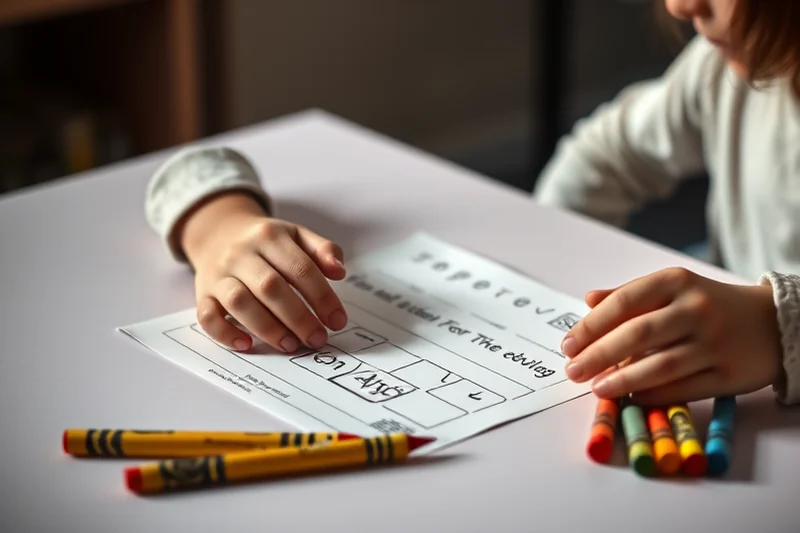
The internet is full of amazing, free educational materials that can supplement or even replace traditional textbooks. I’ve used free printable workbooks from sites like Education.com and Khan Academy to teach math and science. These resources are often vetted by educators and can be tailored to your child’s learning level.
Libraries are another incredible resource. I’ve borrowed books, audiobooks, and even educational DVDs that helped my children learn in different ways. I also joined an online learning community where parents shared their favorite free resources and even created their own materials.
Using free resources not only saves money but also helps you avoid the pressure of buying the 'perfect' curriculum. You can mix and match what works best for your family.
You don’t need the best — you need the right.
Related: Budget homeschool planning on a budget
Create a Learning Space That Works for You
I used to try to teach my children in the living room, which was noisy and distracting. I realized that even a small corner with a table, a lamp, and a few books could make a big difference. A dedicated learning space signals to your child that this is a place for focus and learning.
I set up a cozy nook in our hallway with a small table, a soft rug, and a shelf for books. It didn’t cost much, but it created a sense of routine and helped my children stay on task. I also used a calendar and a planner to keep track of our learning schedule and what we needed to accomplish each day.
A learning space doesn’t need to be fancy — it just needs to be functional and comfortable. Even a corner of the kitchen with a clipboard and a few books can become a learning hub.
Look around your home for items that can be repurposed into learning tools. A cardboard box can become a storage bin for art supplies, and an old table can be a learning station.
“When I first started homeschooling my two youngest children, I thought I’d need a degree in curriculum design and a budget the size of a…”— Plannedathome editors
Related: How to homeschool planning budget
Plan with Realistic Time Blocks
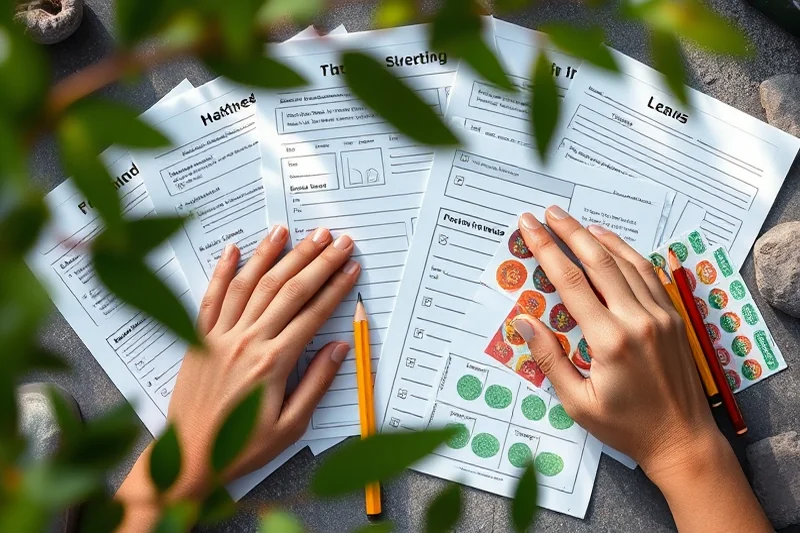
I used to try to do long, drawn-out lessons that left me and my children exhausted. I realized that short, focused time blocks were more effective. I started with 20-minute blocks for each subject and found that we covered more in less time.[1]
I also found that time blocks helped my children develop better focus and self-discipline. I used a timer, and once the timer went off, we moved on to the next activity. This created a sense of structure and made learning feel more manageable.
Planning with realistic time blocks also helped me avoid the burnout that comes from over-scheduling. I found that a few short, focused sessions each day were more effective than trying to do everything at once.
Related: Budget homeschool planning that actually work
Make Learning Hands-On and Interactive
I used to think that learning had to be done through books and worksheets, but I quickly realized that hands-on activities were far more effective. I started using simple materials like playdough, blocks, and magnifying glasses to teach math, science, and language skills.
For example, we used playdough to teach fractions and shapes, and I used blocks to help my child understand basic addition and subtraction. I also used a magnifying glass to explore different textures and colors, which helped develop observational skills.
Hands-on learning doesn’t have to be expensive. It just has to be creative and engaging. I’ve found that even simple activities can make a big difference in how well my children retain information.
Related: Budget homeschool planning guide
Involve Your Children in the Process
I used to plan everything on my own, which made me feel like I was doing all the work. I realized that involving my children in the planning process made them feel like they had a say in their education, and it made them more invested in their learning.
I started by asking them what they wanted to learn more about and what kind of activities they enjoyed. We then created a simple schedule together that included their favorite subjects and activities. This helped us avoid the burnout that came from forcing them to do something they hated.
Involving your children in the planning process also helps you understand their learning style and preferences. It’s a great way to build trust and create a partnership in their education.
When kids help make the plan, they’re more likely to follow it.
Related: Simple homeschool planning budget
Keep It Simple and Consistent
I used to try to do too many different activities each day, which left me and my children feeling overwhelmed. I realized that simple, consistent routines were more effective. I started focusing on a few key subjects each day and kept the activities short and focused.
Consistency helped my children build habits and routines. I found that even a few minutes of reading or math each day made a big difference over time. I also found that keeping things simple helped me avoid the stress of trying to do everything at once.
Simplicity and consistency don’t mean you’re not doing anything — they mean you’re doing what matters most. I’ve found that a few focused, consistent sessions each day are more effective than trying to do everything at once.
Track Progress with Simple Assessment Tools
I use a simple spreadsheet to track my children's progress in core subjects like math and reading. Every two weeks, I spend 30 minutes reviewing their work and noting improvements or areas needing more focus. This helps me stay on course without feeling overwhelmed by constant testing. I’ve found that consistency in tracking leads to better outcomes over time, even with minimal effort.[2]
For subjects like science and history, I use free online quizzes from sites like Quizlet or Khan Academy. These tools provide instant feedback and help identify knowledge gaps quickly. I’ve seen my children improve by up to 20% in comprehension after just a few weeks of regular use. It’s a low-cost way to ensure learning sticks.[3]
I also set up a progress wall in our home where we display completed goals and achievements. This visual reminder keeps motivation high and gives a sense of accomplishment. I’ve noticed that my children are more engaged when they see their progress in real time. It's a simple, effective way to celebrate learning without spending a dime.
🧸 Younger Kids (Ages 3–6)
Use play-based learning with simple activities like counting blocks, drawing, and storytelling.
📚 Older Kids (Ages 7–12)
Introduce structured lessons with printable workbooks, science experiments, and reading challenges.
🧺 No-Prep Version
Use what you have — books, puzzles, and household items — to create spontaneous learning opportunities.
🧑🤝🧑 Group Learning Version
Host learning sessions with other families to share resources and create a community.
🔍 Extension Activity
Use nature walks, museum visits, and library trips to bring learning outside the home.
| The mistake | Why it happens | The fix |
|---|---|---|
| Trying to do everything at once. | This leads to burnout and makes it hard to focus on any one subject. | Start with one or two subjects each day and gradually add more as you go. |
| Ignoring your child’s learning style. | This can make learning feel forced and unengaging. | Observe your child and choose activities that match their preferences and strengths. |
| Not creating a dedicated learning space. | This can make it hard to stay focused and create a sense of routine. | Designate a small area for learning and keep it organized and inviting. |
| Overlooking the power of hands-on activities. | Children often retain information better when they experience it firsthand. | Incorporate hands-on learning into your daily routine with materials like blocks, playdough, and magnifying glasses. |
Simple Budget Homeschool Planning
Common Questions
How do I keep my child motivated without spending a lot of money?
Can I use the same curriculum for multiple children?
How do I handle different learning styles in the same household?
What if I don’t have time to create a detailed plan?
References
- Virtual Learning, Homeschooling, and Online Education (2017-2021.state.gov)
- The Mid-Day Shift: Asheville's Homeschool Recreation Hub (ashevillenc.gov)
- experiences of homeschool high school students in the development (digitalcommons.liberty.edu)
- Home Schooling, SD Department of Education (doe.sd.gov)
Cite this guide
Plannedathome (2026). Simple Budget Homeschool Planning: Tips and Strategies for Success. https://plannedathome.com/simple-budget-homeschool-planning/
Feel free to cite or share this guide.
Homeschool Week Planner
Daily homeschool schedule with subject minutes by grade band.
Open it free →