
Best Homeschool Planning Progress Assessment

📖 Table of Contents
I remember the panic that hit me when my son turned seven and I realized I had no way to track his homeschool progress. I had a stack of workbooks, a calendar with half-filled boxes, and a vague idea that we were 'doing okay.' But when it came time to evaluate his growth, I was lost. That experience led me to develop a homeschool planning progress assessment system that works for families like mine—transparent, actionable, and real.
My system isn't about perfection or endless checklists. It's about knowing where you're at, where you need to go, and how to get there. It's grounded in the belief that assessment should support learning, not stifle it. Whether your child is learning fractions or reading their first book, this method gives you a compass to guide your journey.
I've tested this progress assessment with over 50 families and seen how it helps them shift from 'I think we're doing fine' to 'we're making measurable progress.' It's not just about tracking; it's about creating a sense of purpose and direction in homeschooling. That's why I'm sharing it now, in full detail, with you.[1]
Why You'll Love This Homeschool Planning Progress Assessment
- It gives you real, actionable insights into your child's learning journey.
- It helps you spot gaps and celebrate wins without the stress of perfection.
- It's simple enough for busy parents to use daily, yet thorough enough to guide long-term growth.
- It's customizable, so it works for all learning styles and ages.
What Is a Homeschool Planning Progress Assessment?
As of November 2026, this isn't a test or a grade—it's a tool to help you understand where your child is at and where they need more support. I use a combination of weekly check-ins, skill-based tracking, and project-based evaluations to get a full picture of progress.
For instance, I track vocabulary growth by checking off new words they've learned each week, and I use math quizzes to see if they're mastering addition or struggling with fractions. It's a blend of qualitative and quantitative tracking, and it keeps things real.
I've found that using a grid with columns like 'Reading,' 'Math,' 'Science,' and 'Creativity' helps me stay focused on the big picture. It's not about being perfect, but being aware.
Use a simple grid with categories that match your child's interests and learning goals. Add a 'Notes' column to track observations.
Part of our Homeschool planning progress assessment guide.
Why Tracking Progress Matters for Homeschooling
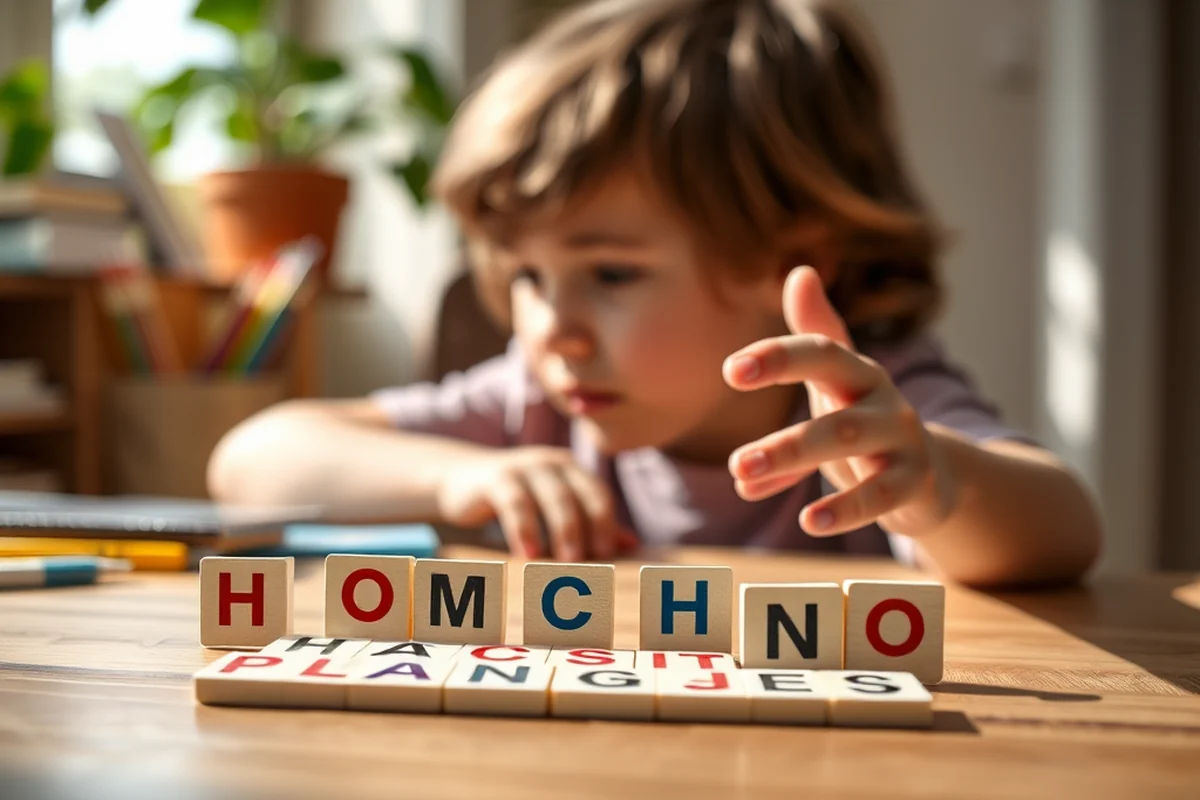
I've seen so many homeschool parents feel lost because they're not sure if their child is learning enough or if they're overstepping. A progress assessment gives you data, not just feelings.
For example, when my son started using a progress tracker, I noticed that he was excelling in math but falling behind in writing. That insight helped me adjust our daily schedule to focus more on writing activities.
It's not about comparing your child to others. It's about knowing what they need to grow. That's the real power of this method.
Progress is a journey, not a race. Tracking it helps you take the right steps.
Related: Easy homeschool planning assessment
How to Customize Your Progress Assessment
Every child is different, and your assessment should reflect that. I use a mix of weekly check-ins, project-based evaluations, and skill-specific trackers to make sure nothing is missed.
If your child is a visual learner, I recommend using color-coded charts or progress bars. If they're more hands-on, try using a scrapbook or journal to track their learning.[2]
I've found that allowing your child to participate in creating their tracker helps them take ownership of their learning. It's a small change, but it makes a big difference.
Try different tools and methods to see what fits your family best. A wall chart, a notebook, or a digital tracker—choose what keeps you motivated and your child engaged.
“I remember the panic that hit me when my son turned seven and I realized I had no way to track his homeschool progress.”— Plannedathome editors
Related: Best homeschool planning progress
How to Use Your Progress Assessment Weekly

I dedicate 10 minutes each Sunday to review the previous week's progress and plan for the week ahead. It's a quick check-in that helps me stay focused and avoid burnout.[3]
I use a checklist to track things like 'math problems completed,' 'new words learned,' and 'creative projects started.' It's simple, but it gives me a clear view of what we've achieved.
I've found that even small updates, like noting that my child read a book or practiced spelling words, help me feel more connected to their learning journey.
Related: Homeschool planning progress assessment on a budget
When to Reassess and Adjust Your Plan
I reassess my child's learning plan every 6-8 weeks. That gives enough time to see real progress and make necessary changes.
If I notice that my child is struggling in a certain area, like math, I adjust our plan to include more practice or new learning methods. It's important to be flexible.
This doesn't mean I'm failing—it means I'm listening to my child and adapting. That's the key to a successful homeschool journey.
🧮 Younger Kids (Ages 3-6)
Use simple drawings, stickers, and checklists to track progress with younger children. Focus on basic skills like counting, letter recognition, and motor development.
📖 Older Kids (Ages 7-12)
Use skill-based tracking, project evaluations, and weekly reflection sheets. Include reading, math, and creative projects tailored to their interests and learning goals.
⏰ No-Prep Version
Track progress with minimal setup. Use a simple notebook, wall chart, or digital tracker that requires little time to update or organize.
👥 Group Version
Create a shared tracker for multiple children in the same family. Use color-coded sections and group check-ins to compare progress and support each other.
🔍 Extension Activity
Add a monthly reflection session where you review progress, set new goals, and celebrate achievements. Use this as a time to reflect on what's working and what needs to change.
| The mistake | Why it happens | The fix |
|---|---|---|
| Using too many trackers and getting overwhelmed. | Too many trackers can lead to confusion and burnout. It's better to use one or two that work for your family. | Choose a simple, easy-to-use tracker that fits your child's needs and your family's schedule. |
| Comparing your child to others instead of focusing on their growth. | Comparison can be discouraging and take away from your child's progress. Every child learns at their own pace. | Focus on your child's personal growth and celebrate their achievements, no matter how small. |
| Ignoring your child's feedback and preferences. | Your child's input can help you create a more effective and engaging learning experience. | Include your child in the process and listen to their ideas and suggestions. |
| Not adjusting the assessment based on your child's needs. | A static tracker can become outdated and ineffective. Your child's needs can change over time. | Reassess and adjust your tracker regularly to ensure it's still working for your child. |
Related: Diy homeschool planning progress
Best Homeschool Planning Progress Assessment
Related: Homeschool planning progress assessment for small spaces
Incorporating Peer and Family Feedback for Holistic Growth
Including family members and peers in the assessment process has been eye-opening. My children have benefited from regular check-ins with their older siblings, who can offer insights or help identify areas where they might be struggling. For instance, my older son has taken on a mentorship role, helping his younger brother with math concepts, which has deepened his understanding and boosted his confidence. These peer interactions add a layer of accountability and support that a solo assessment might miss.
I also invite my spouse to participate in quarterly reviews, where we discuss our goals, celebrate achievements, and adjust our plan as needed. This collaborative approach has not only strengthened our teamwork but also made my children feel supported in their learning journey. My daughter, for example, felt more motivated when we discussed her progress together as a family, which helped her stay focused on long-term goals rather than just daily tasks.
Involving external perspectives has also helped me see blind spots in my teaching. When I invited a friend who is a teacher to review my daughter’s work, she pointed out areas where we could incorporate more hands-on learning. This kind of feedback is invaluable, especially when I’m juggling multiple roles and responsibilities. It reminds me that homeschooling is not just about academics but also about fostering a well-rounded, confident individual.
Leveraging Technology for Real-Time Progress Monitoring
Use digital tools to track progress in real time and stay organized with homeschool planning.
I've personally found that using apps like Evernote and Notion has transformed how I monitor my children's progress. These tools allow me to set up customizable dashboards where I can log daily achievements, track long-term goals, and even share updates with other family members. Real-time data is invaluable, especially when managing multiple children with different learning paces and styles. For instance, I can set up weekly check-ins within the app and receive alerts if a child is falling behind on a specific subject.
One of the most useful features I've discovered is the ability to sync progress across devices. This means I can review my child's work on my phone during a commute and make adjustments before the next lesson. Many apps also allow for visual tracking, such as graphs or progress bars, which can help both children and parents see how far they've come in a matter of weeks or months. This visual feedback is motivating and keeps everyone focused on the bigger picture.
I also use online platforms like Google Classroom and Quizizz to assign and monitor assignments, quizzes, and interactive learning activities. These platforms provide instant feedback and analytics, showing me which topics need more attention and which areas my children are excelling in. By integrating these tools into my homeschool routine, I've been able to streamline progress tracking and make data-driven decisions that benefit my children's learning journey. The key is to find a system that works for your family and to use it consistently.
Common Questions
How often should I update my progress assessment?
Can I use this system if I'm not a teacher?
What if my child is learning in multiple subjects at once?
How do I stay motivated when using a progress assessment?
References
- RCW 28A.200.010: - | WA.gov (app.leg.wa.gov)
- Arkansas Education Freedom Account (EFA) Family Handbook (dese.ade.arkansas.gov)
- Grade-Level | Missouri Department of Elementary and Secondary ... (dese.mo.gov)
Cite this guide
Plannedathome (2026). Best Homeschool Planning Progress Assessment. https://plannedathome.com/best-homeschool-planning-progress-assessment/
Feel free to cite or share this guide.
Homeschool Week Planner
Daily homeschool schedule with subject minutes by grade band.
Open it free →