
Affordable Homeschool Planning Budget

📖 Table of Contents
When I first started planning our homeschool curriculum, I was overwhelmed by the sheer number of options and the cost of traditional materials. I had a tight budget and a family of four, and I knew we needed something that was both effective and affordable. That’s how I discovered the power of an affordable homeschool planning budget — a strategy that has since transformed how we approach learning at home.
My journey began with a simple goal: to provide my children with a rich educational experience without breaking the bank. I started by evaluating what we already had, like books, games, and online resources, and built from there. What I found was that with some creativity and a clear plan, we could achieve a high-quality education at a fraction of the cost of traditional schooling.
Over time, I’ve refined this approach into a practical and sustainable method for planning an affordable homeschool budget. It's not about cutting corners — it’s about making smart choices that align with our values and financial constraints. I hope this article will help you build a homeschool plan that's as enriching as it is economical.
Why You'll Love This Affordable Homeschool Planning Budget
- Save up to 70% on traditional curriculum costs by using free and low-cost resources.
- Create a personalized learning plan that fits your family’s unique needs and budget.
- Access a variety of educational tools that are both engaging and age-appropriate.
- Maintain consistency and structure without the need for large financial investments.
Start with What You Already Have
As of November 2026, before buying a single new textbook, I went through every shelf, drawer, and cabinet to see what I already had. This simple step alone helped us avoid spending hundreds of dollars on materials we already owned.
We found used math manipulatives, science kits from previous years, and even old schoolwork that could be repurposed. These items were not only free but also familiar to the kids, making the transition to homeschooling smoother.
I recommend taking an inventory of all available resources and categorizing them by subject. This will help you identify gaps and make informed purchasing decisions later.[1]
Take photos of all your existing materials and organize them digitally. This makes it easier to reference and share with other homeschooling families.
Part of our Budget homeschool planning guide.
Leverage Free Online Resources

I discovered that many of the most respected educational platforms offer free resources, including lesson plans, interactive activities, and printable worksheets. These materials are often used in traditional schools and are available for home use.
For example, Khan Academy provides free video tutorials on subjects ranging from math to history, while Coursera offers free courses from top universities. These resources are especially valuable for older students who need more in-depth learning.
I’ve found that combining free online resources with hands-on activities creates a well-rounded and engaging curriculum that keeps children motivated.
The internet is the best teacher — it’s free, accessible, and packed with learning opportunities.
Related: Homeschool planning budget tips
Create a Budget and Track Expenses
I set a monthly budget for homeschooling supplies and used a simple spreadsheet to track all expenses. This helped me stay within our limits and avoid overspending on non-essential items.
For example, we allocated $100 per month for books, $50 for online subscriptions, and $20 for educational games. This way, we ensured that we were making smart financial decisions without sacrificing quality.[2]
I recommend reviewing your budget regularly and adjusting it as needed. This helps you stay flexible and ensures that your homeschooling plan remains both effective and affordable.[3]
Try using a budgeting app like Mint or You Need a Budget to track your homeschooling expenses and stay within your financial goals.
“When I first started planning our homeschool curriculum, I was overwhelmed by the sheer number of options and the cost of traditional materials.”— Plannedathome editors
Related: Diy homeschool planning budget
Incorporate Hands-On Learning
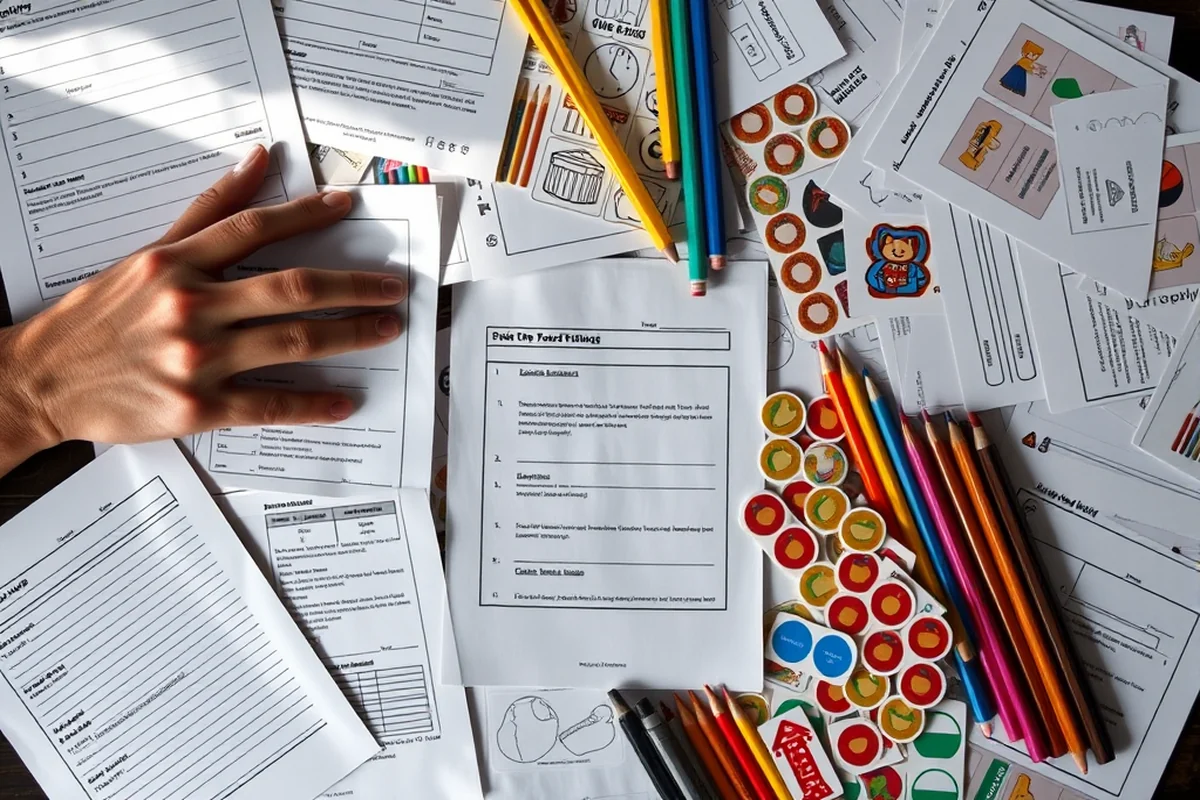
I’ve found that hands-on learning is not only more effective but also more affordable. Simple activities like building models, conducting science experiments, or creating art projects can be done with everyday materials.
For instance, we used paper plates and markers to create a geography project that taught us about different countries and their cultures. This was not only educational but also a fun way to bond as a family.
These types of activities are often low-cost or free and can be tailored to your child’s interests and learning style.
Related: Homeschool planning budget mistakes to avoid
Build a Supportive Homeschool Community
I joined a local homeschool group and was surprised by the wealth of resources and support available. Members shared books, lesson plans, and even hosted group learning activities that we could attend for free.
These communities also provide a sense of accountability and motivation. Knowing that other families are on similar journeys helps make the process more manageable and less isolating.
I recommend looking for local or online homeschool groups in your area. Many offer free resources and events that can significantly reduce your homeschooling costs.
🎨 Younger Kids (Ages 3-6)
Use picture books, puzzles, and simple craft activities to engage young learners with minimal cost.
📚 Older Kids (Ages 7-12)
Incorporate project-based learning and online courses to provide a more structured and challenging curriculum.
🧾 No-Prep Homeschooling
Use pre-made lesson plans and printable activities to reduce the time and effort required for planning.
👥 Group Homeschooling
Share resources and split costs with other families by organizing group learning sessions and activities.
💡 Extension Activities
Add extra learning opportunities through field trips, museum visits, and community events that are often free or low-cost.
| The mistake | Why it happens | The fix |
|---|---|---|
| Overlooking free resources | Many high-quality educational materials are available for free online, but some families still choose to buy expensive alternatives. | Search for free resources early and often. Create a list of your favorite free platforms and revisit them regularly. |
| Not tracking expenses | Without a clear budget, it’s easy to overspend on non-essential items. | Set up a simple budget and use a tracking system to monitor all purchases and expenses. |
| Ignoring hands-on learning | Some families rely heavily on textbooks and forget the value of interactive, hands-on activities. | Incorporate hands-on learning into your daily routine. Use everyday items and creativity to make learning more engaging. |
| Not building a support network | Homeschooling can be isolating, and without a support network, it’s easy to feel overwhelmed. | Join local or online homeschooling groups to connect with other families and share resources and experiences. |
Related: Simple budget homeschool planning
Affordable Homeschool Planning Budget
Related: Budget homeschool planning budget
Maximize Local and Community Resources
I've found that local libraries often offer free workshops, book clubs, and even STEM programs for kids, which can be a great supplement to your curriculum. Many cities have community centers that provide access to computers, printers, and even educational events at no cost. I’ve used my local library's homework help program for my daughter during math-heavy months, and it saved us over $150 in tutoring fees. These resources are often underutilized, but they can provide high-quality learning experiences without a financial burden.
Repurpose and Upcycle Learning Materials
I've saved hundreds of dollars by repurposing old items into educational tools. For example, I turned old cereal boxes into shoeboxes for a unit on geography, and used leftover fabric to make felt maps. My son’s science experiments used items from the recycling bin, like bottles for volcanoes and jars for measuring rainwater. Not only does this approach save money, but it also encourages creativity and resourcefulness in learning. I’ve also used old magazines for art projects and reading practice, which helped improve his literacy skills without buying new materials.
Utilize Free or Low-Cost Subscription Services
I’ve used free subscription services like Khan Academy and Coursera for supplemental learning, which have provided my children with access to high-quality educational content at no cost. Some platforms offer free tiers with limited features, while others provide full access for a small monthly fee. I’ve also used free trial periods to test services before committing to a subscription, which has helped us avoid unnecessary spending. These services have been especially useful during breaks from formal lessons, ensuring that learning stays consistent and engaging throughout the year.
Implement a Rotating Curriculum Approach to Reduce Costs
I’ve adopted a rotating curriculum approach that helps us manage costs while keeping our children’s learning experience varied and engaging. Instead of buying full sets of curriculum materials for every subject, we use a mix of free resources, library books, and affordable workbooks, rotating them every few months. This way, we avoid the high cost of purchasing complete curricula that might only be used once.
By rotating materials, I’ve been able to stretch our budget further and avoid waste. I’ve found that using a combination of free printable resources, open educational resources, and library materials allows us to cover all necessary topics without spending too much. This also keeps our children from becoming bored with the same materials over and over.
I’ve also found that this approach helps us identify which resources work best for our children’s learning styles. As we rotate through different materials, we can assess what’s effective and what needs to be replaced or adjusted. This has made our homeschooling more flexible and responsive to our children’s needs, all while keeping our budget in check.
Repurpose Everyday Items for STEM Learning
I once turned old electronics, like broken calculators and unused wires, into a mini engineering lab for my kids. By disassembling these items, they learned about circuits, conductivity, and basic mechanics—without spending a dime. This approach not only saved money but also helped them understand that learning can happen anywhere, even in the garage.
One of my favorite projects involved using cardboard boxes, straws, and string to build simple pulley systems. This hands-on activity taught physics principles in a fun, tactile way. It took just an afternoon to set up, and the materials were all things we had on hand. The kids loved the challenge of figuring out how to make the pulleys work efficiently.
Another example came when we used measuring cups and ingredients from the kitchen to teach fractions and measurements. My son was surprised to see how math showed up in everyday tasks, and it helped him grasp abstract concepts more concretely. This kind of learning is not only affordable but also helps kids see the value of education in their daily lives.
Common Questions
How can I find free educational resources online?
What are the best ways to track homeschooling expenses?
How do I stay motivated when homeschooling on a budget?
Can I use hands-on learning with older students?
References
- Virtual Learning, Homeschooling, and Online Education (2017-2021.state.gov)
- ASU dual enrollment for homeschool co-ops - Accelerate ASU (accelerate.asu.edu)
- Our Accredited Online Schools - Ashworth College (ashworthcollege.edu)
Cite this guide
Plannedathome (2026). Affordable Homeschool Planning Budget. https://plannedathome.com/affordable-homeschool-planning-budget/
Feel free to cite or share this guide.
Homeschool Week Planner
Daily homeschool schedule with subject minutes by grade band.
Open it free →