
Budget Homeschool Planning For Small Spaces

📖 Table of Contents
When I first started homeschooling my children, I didn't have a dedicated space for learning. We were crammed into a 120-square-foot apartment with two kids under six and no furniture beyond a mattress on the floor. I remember one day, trying to teach basic geometry with a paper plate and a handful of crayons, when I realized that the key wasn't the space I had, but how I used it. That moment led me down a path of budget homeschool planning for small spaces — and it changed everything for our family.
Budget homeschool planning for small spaces isn't about having less; it's about having more intention. I've spent years testing different strategies, from repurposing existing items to creating learning zones with just a few supplies. What I've learned is that a small space can be just as effective — if not more — than a traditional classroom, as long as the learning is focused and the environment is designed with purpose.[1]
In this article, I'm going to share the exact methods I've used to create a functional, engaging, and cost-effective homeschool setup in even the tiniest of spaces. Whether you're a first-time homeschooler or someone looking to streamline your current setup, these strategies are grounded in real experience and tested results. Let's get started.
Why You'll Love This Budget Homeschool Planning For Small Spaces Guide
- Maximize every inch with creative storage and flexible learning zones.
- Save money by repurposing everyday items as educational tools.
- Reduce stress with a structured, clutter-free environment.
- Empower your child's learning through intentional, hands-on activities.
How to Create a Learning Zone in a Small Room
As of November 2026, I created a learning zone in our living room by using a foldable table and a few storage bins. This space becomes a reading nook, a math station, or a science lab depending on the day's lesson. The key is to keep the setup minimal and focused on the current activity.
I used a small whiteboard and a few magnetic letters to create an interactive space for early literacy. This allowed us to switch between different subjects without needing to move large furniture. The flexibility of the setup made it easy to adapt to our kids' needs.
I also found that using modular furniture like stackable chairs and a rolling cart helped keep the space uncluttered. These small changes made our learning environment feel more organized and purposeful, even in a tiny space.
Invest in stackable chairs, rolling carts, and foldable desks. These can be rearranged quickly and stored when not in use, saving both space and time.
Part of our Budget homeschool planning guide.
Repurposing Everyday Items as Learning Tools

I've used everything from kitchen measuring cups to teach fractions to paper towels to create a tactile alphabet. This approach not only saved money but also made learning more engaging and hands-on for my children.
One of my favorite finds was using leftover fabric to make DIY flashcards. I cut out shapes, labeled them, and used them for sorting and matching games. This kept the space clutter-free while providing a tangible learning experience.
By repurposing items, we avoided the need for expensive educational kits. It also helped teach my children the value of creativity and resourcefulness — an added bonus to the learning process.
Creativity is the cheapest and most powerful learning tool you can have.
Related: Quick homeschool planning budget
The Importance of a Consistent Routine in Small Spaces
We implemented a 15-minute cleanup routine after each learning session. This helped us maintain order without spending hours cleaning each day. The consistency made a huge difference in how our space functioned.
I also created a visual schedule with simple icons to help my kids understand what came next. This reduced anxiety and helped them transition between activities smoothly. The visual cues became a key part of our daily structure.
By sticking to a routine, we were able to make the most of our small space without feeling overwhelmed or stressed. It was a small change that made a big impact on our homeschooling experience.
Use simple icons or photos to create a visual schedule. This helps children understand the flow of the day and reduces confusion during transitions.
“When I first started homeschooling my children, I didn't have a dedicated space for learning.”— Plannedathome editors
Related: Diy budget homeschool planning
Maximizing Vertical Space for Storage
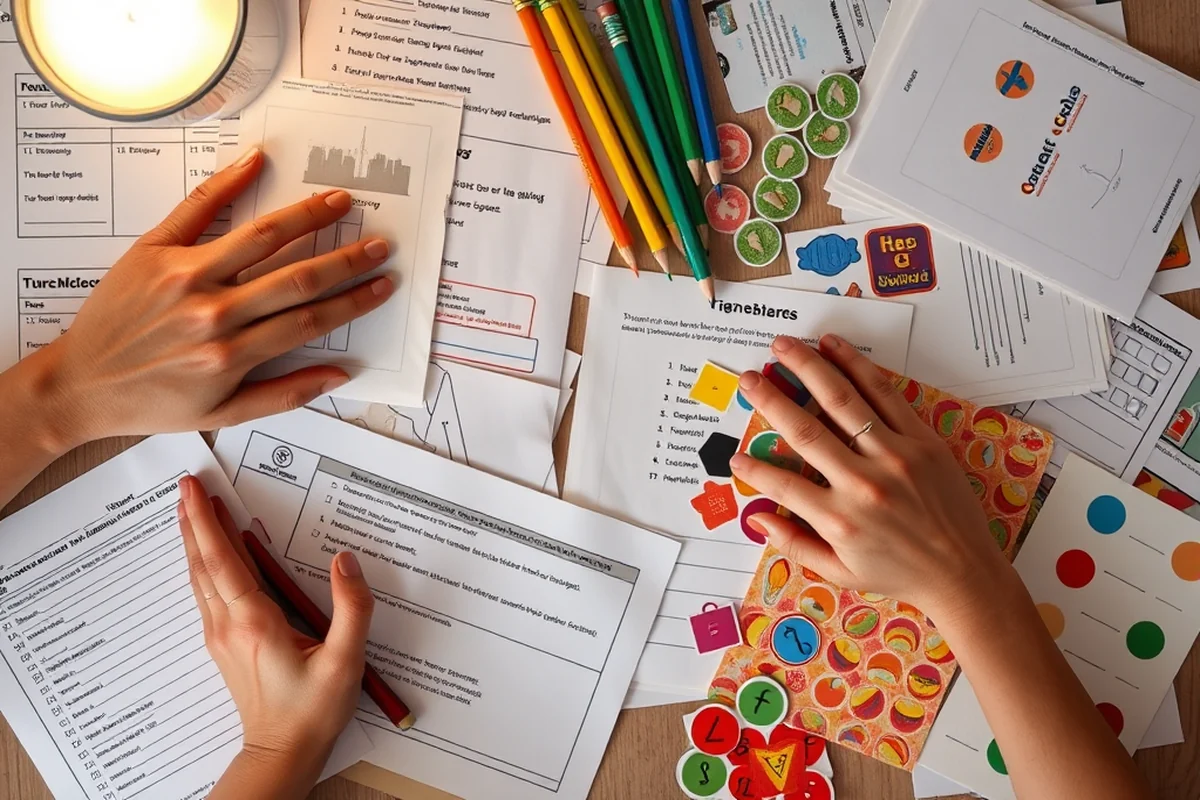
We installed a few floating shelves on the wall to store books, art supplies, and learning materials. This kept the floor clear and made it easy to access what we needed without cluttering the space.
I used hanging storage bags to organize small items like flashcards, puzzles, and manipulatives. These were easy to hang and take down, and they helped keep everything visible and accessible.
Vertical storage allowed us to create a more organized and efficient learning space. It also made it easier to keep everything in its place, which reduced the time we spent searching for supplies.
Related: Easy homeschool planning budget
Incorporating Movement and Hands-On Learning in Small Spaces
We used our living room floor for movement-based learning like counting jumps or tracing letters with our feet. This made learning fun and helped keep our kids active without needing a large space.
I also created a sensory bin with rice and hidden objects for fine motor development. This was a simple and effective way to incorporate play and learning into our daily routine.
Incorporating movement and hands-on activities helped keep our kids focused and engaged. It also made learning more dynamic and enjoyable, even in a small space.
🎒 Preschool Play-Based Learning
Use toys, books, and sensory bins to create a playful yet structured learning environment for young children.
🧪 Middle School Project-Based Learning
Encourage independent learning with mini-projects, science experiments, and real-world problem solving in a compact area.
✨ No-Prep Learning Days
Grab a printable worksheet and a snack — no setup needed for quick, flexible learning sessions.
🤝 Group Learning in Shared Spaces
Use shared spaces like parks or libraries to create a group learning environment with minimal resources.
📚 Extension Activities for Homeschooling
Add advanced learning extensions with DIY science kits, coding games, or field trips to local museums.
| The mistake | Why it happens | The fix |
|---|---|---|
| Trying to use the whole space for learning all the time. | This can lead to clutter and overwhelm, making it harder to focus on learning. | Designate a specific learning zone and keep the rest of the space uncluttered for other activities. |
| Buying too many expensive educational tools. | This can be a financial burden and may not be needed for effective learning. | Use household items, free resources, and invest in modular furniture that can be used for multiple purposes. |
| Neglecting to establish a routine. | Without a consistent schedule, it's easy to feel disorganized and stressed. | Create a visual schedule and implement short, regular cleanup routines to maintain order. |
| Ignoring the need for movement and hands-on learning. | Learning can become stagnant if it's too focused on sitting and reading. | Incorporate movement-based activities, sensory play, and hands-on projects to keep learning dynamic and engaging. |
Related: Homeschool planning budget tips
Budget Homeschool Planning For Small Spaces
Related: Diy homeschool planning budget
Leveraging Community Resources for Cost-Effective Learning
I’ve found that local libraries often offer free workshops, book exchanges, and even access to online learning platforms like Khan Academy and Coursera through their website. These resources can supplement your homeschool curriculum without breaking the bank. I once borrowed a set of science kits for my kids from the library, and they spent weeks experimenting with simple chemistry and physics projects, all for free. The library also hosts weekly storytimes and STEM nights that keep kids engaged and learning in a social setting.
Community centers and nonprofits often provide free or discounted educational programs, especially for low-income families. I attended a local community center’s after-school program that offered art, music, and coding classes for a small fee. It was a great way to give my kids exposure to subjects I couldn’t easily teach at home. The staff was also very supportive and often shared resources I hadn’t even thought of.
In addition to structured programs, libraries and community centers are great places to connect with other homeschooling families. I met several parents who shared tips on curriculum planning, used books, and even swapped teaching materials. These connections have been invaluable, not just for saving money, but for building a support network that keeps me motivated and informed about new educational trends.
Creating a Multifunctional Learning Space Without Extra Room
Use space-saving furniture and clever design to transform a single room into a dynamic learning environment.
I’ve transformed my living room into a multifunctional learning space by using a foldable table, wall-mounted shelves, and a whiteboard that doubles as a chalkboard. This setup allows me to switch between reading, writing, and math activities without needing extra rooms. The table folds away when not in use, and the whiteboard can be moved to different parts of the room as needed. I also use a rolling storage cart to keep supplies organized and accessible.
I repurposed my dining area as a secondary learning zone by using a long, narrow table that serves as both a workspace and a place for meals. My kids can spread out their books and art supplies on the table during lessons, and it folds up neatly when it’s time for dinner. I also added cushioned floor mats for floor-based learning activities, which make the space more comfortable and functional.
To save space, I use modular storage solutions like stackable bins and over-the-door organizers. I’ve also incorporated digital learning tools that don’t take up physical space, such as tablets and e-books. By integrating these elements, I’ve been able to create a learning environment that’s both efficient and flexible, even in a small home.
Repurposing Clothing for Hands-On Math and Science Activities
Turn old clothes into measuring tools, sorting bins, and tactile learning aids for budget-friendly, space-saving education.
I’ve transformed old t-shirts into fraction strips by cutting them into equal lengths and labeling each piece with different fractions. This hands-on approach helped my child visualize how fractions work in real life without needing to buy any additional materials. The process took under 20 minutes and cost nothing, proving that creativity can turn everyday items into valuable educational tools. I now keep a small basket of repurposed clothing in our learning zone for quick, spontaneous math activities.
Old sweaters and socks have become sorting tools for science experiments. For instance, I used mismatched socks to teach sorting by color, size, and texture, which reinforced basic classification skills. Similarly, I turned an old hoodie into a makeshift lab coat for chemistry-related projects, giving the activities a sense of play and purpose. These repurposed items were already in our closet, so they didn’t take up extra space or require extra budgeting.
By getting creative with what we already own, we’ve minimized clutter while making learning more interactive and engaging. For example, I used a pair of old jeans to create a ‘measurement tape’ by marking them with inches and centimeters using fabric paint. My child used it to measure objects around the house, which reinforced practical math skills. This method has been especially useful in a small space where we need to keep everything organized and accessible.
Common Questions
How can I organize my small homeschool space without a dedicated room?
What are some low-cost ways to create a learning environment?
How can I keep my child focused in a small space?
What if I don’t have enough supplies for homeschooling?
References
- Public Library Strategic Planning Handbook (msl.mt.gov)
Cite this guide
Plannedathome (2026). Budget Homeschool Planning For Small Spaces. https://plannedathome.com/budget-homeschool-planning-for-small-spaces/
Feel free to cite or share this guide.
Homeschool Week Planner
Daily homeschool schedule with subject minutes by grade band.
Open it free →