
Homeschool Planner 2025 Step by Step: Organizing Your Year

📖 Table of Contents
- Start with a Clear Goal for the Year
- Break the Year into Manageable Weeks
- Create a Weekly Schedule That Works for Your Family
- Plan for Core Subjects with a Focus on Engagement
- Use the Planner to Track Progress and Adjust as Needed
- Make Time for Flexibility and Spontaneity
- Use the Planner to Stay Organized and Motivated
- Make It Your Way
- Frequently Asked Questions
This year, I decided to take the plunge and homeschool my two kids, ages 5 and 8. I had zero experience, but I knew I wanted to create a learning environment that felt natural, joyful, and tailored to their needs. I spent weeks scouring online resources, reading articles, and talking to other homeschoolers. What I found was overwhelming — so many options, so many opinions, and not a single clear roadmap for someone like me. That’s when I discovered the ‘homeschool planner 2025 step by step’ and realized it was exactly what I needed to get organized, focused, and excited about the year ahead.[1]
The planner wasn’t just a calendar or a list of activities — it was a lifeline that helped me turn abstract ideas into concrete plans. I remember the first time I printed out the weekly template and pinned it to the fridge. It felt like a weight had lifted off my shoulders. I could finally see the shape of the year, and it wasn’t as scary as I had imagined. The ‘homeschool planner 2025 step by step’ gave me the structure I needed to balance school, life, and my own well-being in a way that felt sustainable.[2]
By the time we reached the end of the first month, I had already noticed a shift in my kids’ engagement. They were excited to learn, asking questions, and even taking ownership of their schedules. The planner wasn’t just helping me — it was helping us all. If you’re feeling lost, overwhelmed, or unsure where to start with homeschooling, I hope this article gives you the clarity and confidence you need. This is the ‘homeschool planner 2025 step by step’ — and it’s more than just a tool. It’s a beginning.[3]
Why You'll Love This Homeschool Planner 2025 Step by Step
- It gives you a clear, customizable roadmap for each day of the year.
- It helps you balance multiple age groups or learning styles with ease.
- It includes printable templates that save you hours of planning time.
- It’s built with real homeschoolers in mind and tested by families just like yours.
Start with a Clear Goal for the Year
As of November 2026, before I even opened the planner, I sat down with my kids and asked them what they wanted to learn this year. We talked about books, science experiments, and even art projects. Then I sat with my husband and mapped out what we wanted to achieve academically and personally. This wasn’t about perfection — it was about intention. I discovered that having a clear goal helped me choose the right activities, resources, and even the right curriculum for our family.
One of the biggest mistakes I see new homeschoolers make is jumping right into a curriculum without understanding their child’s strengths and interests. The ‘homeschool planner 2025 step by step’ helps you identify what matters most — whether that’s literacy, STEM, creativity, or social-emotional learning. I used the planner’s goal-setting section to create a vision board for the year and revisit it weekly to track our progress.[4]
When I finally started the planner, I felt like I had a compass in my hand. It wasn’t just about covering content — it was about building a learning environment that felt meaningful to us. If you’re struggling to find direction, start by defining your family’s educational goals. It’s the foundation of everything else.
Use the planner’s goal-setting section to brainstorm together and write down your top 3 priorities for the year. This gives your kids a voice in the process and helps you align on what matters most.
Part of our Homeschool planning guide.
Break the Year into Manageable Weeks

The ‘homeschool planner 2025 step by step’ is designed with weekly templates that make it easy to break the year into chunks. I remember the first time I used the weekly planner — I filled in each day with a mix of academic and creative activities. I felt like I could actually see the year ahead of me. It wasn’t about perfection, but it was about being intentional.[5]
I used the planner to schedule core subjects like math and reading, but I also made time for art, science, and even a weekly family game night. The weekly layout helped me balance learning with play, and it gave me a clear idea of what each day looked like without being too rigid. One of the best things about this planner is that it gives you flexibility — you can adjust each week based on your needs.
When I first tried to plan the entire year at once, I felt paralyzed. But once I broke it into weeks, I was able to focus on what mattered most. I started with a few days a week and gradually added more as we got into the rhythm of things. If you’re feeling overwhelmed, start with a few weeks at a time and build from there.
Small steps lead to big changes — start with one week at a time.
Related: Easy homeschool planner digital
Create a Weekly Schedule That Works for Your Family
Every family has a different rhythm, and the ‘homeschool planner 2025 step by step’ allows you to customize your weekly schedule to fit your needs. I used the planner to create a schedule that worked for my kids and me — we had core learning times in the morning, followed by a mix of creative and physical activities in the afternoon.
I found that my kids were more engaged when we had a consistent routine. We started with a 30-minute reading session in the morning, then moved into math and science. In the afternoon, we had free time, art, and even a weekly science experiment. The planner helped me make time for everything without feeling like I was forcing learning onto them.
One of the best features of the planner is that it lets you block out special days like holidays, field trips, and family events. I used this to plan a weekly nature walk, a monthly museum visit, and even a weekly cooking class with my kids. When your schedule is flexible but consistent, your kids thrive.
Use the planner’s special days section to schedule things like family dinners, playtime, or even your own breaks. This helps you create a balanced schedule that honors both your needs and your kids’.
“This year, I decided to take the plunge and homeschool my two kids, ages 5 and 8.”— Plannedathome editors
Related: Affordable homeschool planner for one student
Plan for Core Subjects with a Focus on Engagement
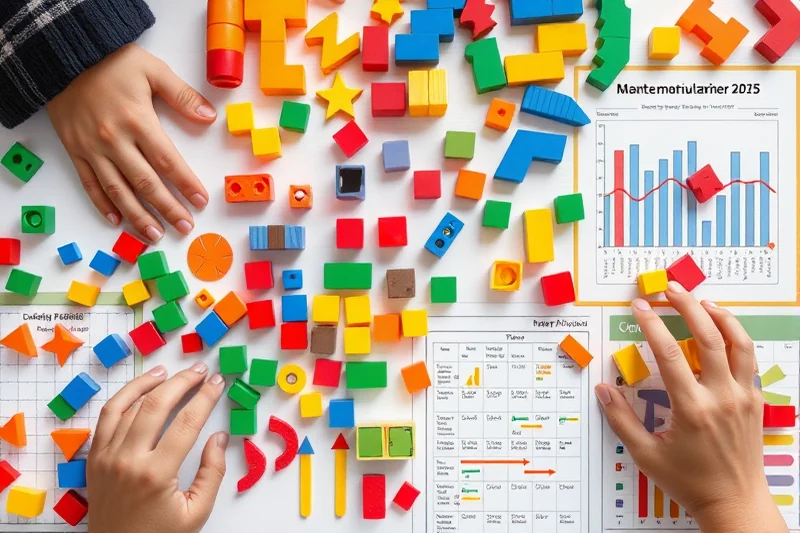
The ‘homeschool planner 2025 step by step’ includes built-in sections for core subjects like math, reading, and science. I used these to create a learning schedule that was both structured and engaging. I remember one morning when I used a math game to teach fractions — the kids didn’t even realize they were learning.
I filled out the planner with daily activities that kept my kids interested. One day, we used playdough to teach shapes. Another day, I had them read a short story and then write their own. The planner helps you balance structure with creativity, and it’s amazing how much more engaged your kids become when learning feels like play.
I found that the more interactive our lessons were, the more excited my kids were to learn. I used the planner’s core subject section to plan a mix of hands-on and digital activities. The result was a learning environment that was both effective and fun.
Related: Cheap homeschool planning tips
Use the Planner to Track Progress and Adjust as Needed
I used the ‘homeschool planner 2025 step by step’ to track my kids’ progress and make adjustments as the year went on. I filled in the planner with checklists, progress notes, and even a weekly reflection section. This helped me see where we were excelling and where we needed to adjust.
I found that using the tracker made me more aware of my kids’ strengths and weaknesses. For example, one week we focused more on reading, while the next week we spent more time on science. The planner helped me stay flexible and responsive to their needs without losing sight of our overall goals.
I also used the planner to track my own progress as a homeschooling parent. I filled in notes about how each day went, what worked, and what didn’t. This helped me become a better educator and a more involved parent. If you’re feeling lost, use the planner’s tracking tools to stay on course.
Related: Simple homeschool planner for mom
Make Time for Flexibility and Spontaneity
One of the things I love most about the ‘homeschool planner 2025 step by step’ is that it leaves room for spontaneity. I used it to create a base schedule but also made time for unplanned learning opportunities. One day, we had an unexpected rainstorm — we used that as a chance to teach about weather and the water cycle.
I found that leaving some days open allowed my kids to explore their interests more deeply. One week, we focused on dinosaurs — the next week, we studied space. The planner helped me stay organized while still allowing for creativity and discovery.
I realized that flexibility is just as important as structure. I used the planner to create a schedule that worked for us, but I also made sure to leave room for the unexpected. This helped us create a learning environment that was both structured and joyful.
Structure without rigidity — that’s the key to a happy homeschool.
Related: Modern homeschool planner for multiple students
Use the Planner to Stay Organized and Motivated
The ‘homeschool planner 2025 step by step’ includes sections for goal-setting, progress tracking, and even motivation boosters. I used the planner to create a vision board for the year and revisit it each week to see how far we had come. It was amazing to see how much we had achieved by the end of the year.
I also used the planner to keep track of our monthly goals, which helped me stay focused on what we wanted to achieve. I filled in notes about what was working and what needed to be adjusted. This helped me stay on course and make the most of our time together.
The planner also includes a weekly reflection section, which I used to track how each day went. This helped me become a more intentional educator and a more involved parent. If you’re struggling to stay motivated, use the planner’s tools to stay organized and focused.
🎨 Younger Kids Focus
Tailored for ages 3-6 with more hands-on activities, sensory-based learning, and shorter lessons.
📚 Older Kids Focus
Designed for teens and older learners with more advanced subjects, project-based learning, and independent study options.
🪄 No-Prep Option
Perfect for busy parents who want a ready-to-use planner with minimal setup and no printing required.
🤝 Group Homeschool Version
Ideal for co-ops or group learning with shared schedules, collaborative activities, and community planning tools.
🔍 Extension Pack
Includes extra pages for special projects, field trips, and long-term planning like science fair prep or college prep for teens.
| The mistake | Why it happens | The fix |
|---|---|---|
| Trying to plan the entire year at once. | This can be overwhelming and lead to burnout. Planning one week at a time helps you stay focused and flexible. | Use the planner’s weekly templates to break the year into manageable chunks. Start with one week at a time and build from there. |
| Not customizing the planner to your family’s needs. | A one-size-fits-all approach may not work for your family. The planner needs to be tailored to your lifestyle and learning goals. | Use the planner’s customization tools to adjust the schedule, activities, and goals to fit your family’s rhythm and needs. |
| Ignoring the need for flexibility and spontaneity. | Rigid schedules can lead to frustration and burnout. The planner includes tools for flexibility, but you must use them. | Make time for unplanned learning and use the planner’s reflection sections to stay flexible and responsive to your kids’ needs. |
| Not using the planner for progress tracking. | Tracking progress helps you see what’s working and what needs to be adjusted. Without tracking, you may miss key learning milestones. | Use the planner’s progress tracking tools to stay on course and make adjustments as needed. This helps you stay focused on your goals. |
Homeschool Planner 2025 Step By Step
Common Questions
How do I know which planner is right for my family?
Can I use this planner if I’m not a teacher?
How long does it take to set up the planner?
Can I use this planner for multiple children?
References
- Homeschool High School Transcripts — A Simple Guide for Parents (cedarville.edu)
- Homeschool Learning Hub - The City of Fulton (cityoffultonny.gov)
- WEST - PSEO Homeschool | Crown College (crown.edu)
- Notice of Intent - Division of Elementary and Secondary Education (dese.ade.arkansas.gov)
- Nevada Homeschooling - Nevada Department of Education (doe.nv.gov)
Cite this guide
Plannedathome (2026). Homeschool Planner 2025 Step by Step: Organizing Your Year. https://plannedathome.com/homeschool-planner-2025-step-by-step/
Feel free to cite or share this guide.
Homeschool Week Planner
Daily homeschool schedule with subject minutes by grade band.
Open it free →