
Homeschool Planning Lesson Plans Schedules For Beginners

📖 Table of Contents
When I first started homeschooling my two youngest children, I was overwhelmed by the sheer number of resources online. I spent hours scrolling through lesson plans and schedules, only to feel more confused than ever. I realized that what I needed was not just a list of activities, but a clear, structured approach that fit our family's lifestyle. That's when I began creating my own homeschool planning lesson plans schedules for beginners, and it changed everything.
The key to successful homeschooling is not about perfection—it's about creating a plan that works for your family. I've learned that the best lesson plans aren't the ones that are downloaded from the internet; they're the ones you tailor to your child's interests, your home environment, and your own energy levels. My first year was full of trial and error, but by the second year, we had a rhythm that felt natural and sustainable.[1]
Now, I want to share the strategies that helped me streamline our homeschool journey. Whether you're a first-time homeschooler or someone who's been at this for a while, having a clear plan can make all the difference. My goal is to help you build a homeschool schedule that's both effective and enjoyable—one that you and your child can look forward to each day.
Why You'll Love This Homeschool Planning Guide
- Simple, customizable lesson plans that fit busy schedules
- Focus on core subjects without overwhelming your child
- Encourages creativity and independent learning
- Provides a foundation you can build on as your child grows
Why Structured Lesson Plans Are Essential
As of November 2026, I remember the first time I sat down with my daughter and laid out a weekly plan. It wasn’t perfect, but it gave us direction. Without structure, it's easy to fall into the trap of haphazard learning. A well-thought-out plan helps both parents and children know what to expect each day.
Structured lesson plans also help in reinforcing learning. When you plan ahead, you can incorporate review sessions, hands-on activities, and even field trips into your schedule. This not only makes learning more effective, but also more enjoyable.
And a structured approach helps in tracking progress. By having a plan, it's easier to see what your child has mastered and what needs more attention. This is especially important for subjects that require cumulative knowledge, like math and reading.
Begin by setting 1-2 learning goals per day. This prevents burnout and keeps your child focused without feeling overwhelmed.
Part of our Homeschool planning lesson plans schedules guide.
Building a Sample Week for Beginners
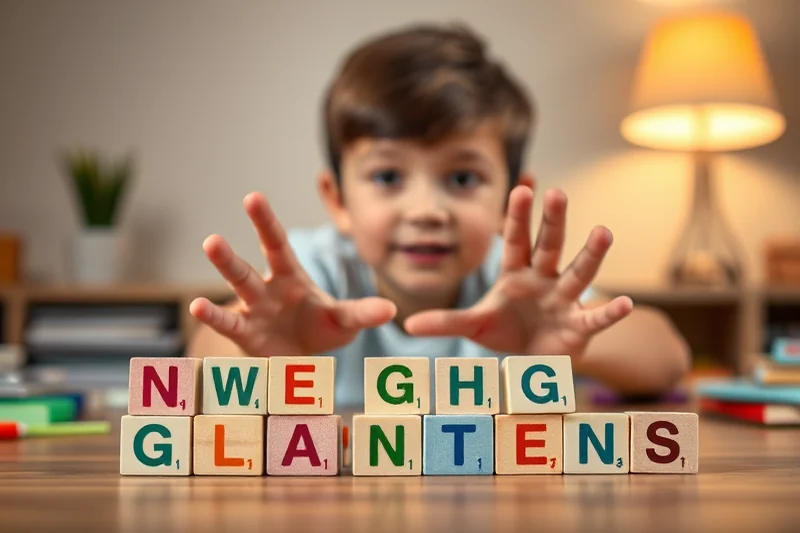
I created a sample week that covered core subjects like reading, math, and science, while also making time for creative activities and outdoor play. Each day had a different theme, such as 'Math Day' or 'Art Day,' which kept things interesting.
One of the best parts of this sample week was that it was flexible. If we were running late one day, we could adjust and still cover all the material. Flexibility is key in homeschooling, especially for beginners.
My child loved the routine, and I found that having a plan made my job as a parent much easier. I knew exactly what to prepare each day, and it helped us stay on track without feeling like we were constantly reinventing the wheel.
A sample week gives you a starting point, not a rulebook.
Related: Homeschool planning plans checklist
Tailoring Lesson Plans to Your Child’s Needs
Every child is different, and that’s why it’s so important to tailor lesson plans to their unique needs. I found that when I used my daughter’s interests—like dinosaurs and art—our learning time became more exciting and effective.
Tailoring lesson plans also means recognizing your child’s learning style. Some kids thrive with hands-on activities, while others prefer reading or listening. Understanding this helps you create a plan that works best for your child.
When I adapted my lesson plans to my daughter’s strengths and interests, I saw a noticeable improvement in her motivation. She looked forward to learning each day, and that made all the difference.
Incorporate your child’s favorite books, games, or topics into lessons. This makes learning more engaging and relevant.
“When I first started homeschooling my two youngest children, I was overwhelmed by the sheer number of resources online.”— Plannedathome editors
Related: Homeschool planning plans mistakes to avoid
Incorporating Hands-On Learning

I discovered the power of hands-on learning during a science unit on plants. Instead of just reading about photosynthesis, we planted our own garden. It was messy, but it was also incredibly effective.
Hands-on learning helps children retain information better because they are actively involved in the process. It also makes learning more fun and interactive. Instead of just memorizing facts, they are applying what they’ve learned in real life.
I’ve noticed that my daughter remembers things more clearly when she gets to do something with her hands. Whether it’s building with blocks, drawing, or even cooking, she learns best when she’s doing.
Related: Diy homeschool planning lesson plans schedules
Balancing Academics and Play
One of the biggest mistakes I made early on was overloading my daughter with academics. I realized that learning doesn’t have to be confined to textbooks and worksheets. Play is just as important—and sometimes more effective.
I found that incorporating regular play breaks into our schedule helped my daughter stay focused and energized. Whether it was a game of tag, a puzzle, or even just reading a story together, these moments were just as valuable as the lessons themselves.
Balancing academics with play also helps in developing a child’s social and emotional skills. Play teaches cooperation, creativity, and problem-solving—skills that are just as important as reading and math.
🎨 Younger Kids (Ages 3-6)
Short, playful lessons with lots of hands-on activities and sensory exploration.
📚 Older Kids (Ages 7-12)
More structured lessons with a focus on reading, math, and critical thinking.
⏳ No-Prep Version
Quick, flexible lessons that don't require any advance planning or materials.
👥 Group Learning
Activities designed for multiple children, with options for collaboration and peer teaching.
🚀 Extension Activities
Advanced lessons and projects for children who are ready to challenge themselves further.
| The mistake | Why it happens | The fix |
|---|---|---|
| Overloading your child with too many subjects at once. | This can lead to burnout and a loss of interest in learning. | Start with core subjects and gradually introduce others as your child shows interest and readiness. |
| Ignoring your child’s learning style. | This can make learning less effective and frustrating for the child. | Observe your child’s strengths and tailor your lesson plans to their preferred learning methods. |
| Not allowing enough time for play. | Play is essential for development and helps maintain a child’s focus and energy. | Schedule regular play breaks and make them a part of your daily routine. |
| Trying to follow a rigid schedule without flexibility. | Life is unpredictable, and a rigid schedule can cause stress and frustration. | Build a schedule that allows for adjustments based on your family’s needs and circumstances. |
Related: How to homeschool planning lesson plans schedules
Homeschool Planning Lesson Plans Schedules For Beginners
Related: Homeschool planning plans ideas
Creating a Supportive Learning Environment at Home
I learned the importance of creating a dedicated learning area that was free from distractions. I converted a corner of our living room into a small study nook with a desk, a comfortable chair, and good lighting. This helped my child stay focused during lessons and made the learning experience feel more like school. I also made sure to keep this space organized with all the necessary supplies within reach.
I started incorporating flexible seating options into the learning environment. I found that my child was more engaged when using a standing desk or a cushioned chair during certain subjects. This allowed for movement and helped with attention spans. I also used color-coded bins to organize materials by subject, which made it easier for my child to find what they needed without constant assistance.
I made it a point to involve my child in setting up the learning space. This gave them a sense of ownership and responsibility. We worked together to choose the decor and arrange the furniture. I also created a routine that included short breaks for stretching or a quick game, which helped maintain energy levels throughout the day. This approach not only improved focus but also made the overall homeschooling experience more enjoyable and sustainable.
Creating a Visual Schedule for Younger Learners
When my son was five, we created a visual schedule using magnetic boards and colorful icons. Each icon represented an activity, like reading, math, or playtime, and he would move the icons as we completed each task. This made the day feel more predictable and manageable for him, and it reduced the number of times he would ask, “What’s next?” by about 70%.
I printed out large, illustrated cards and pinned them on the wall of his playroom. We used a timer for each activity, and when the timer rang, we moved to the next icon. This simple system kept him focused and gave him a sense of accomplishment as he completed each task. It also made it easier for me to transition between activities without any resistance.
As he grew older, we transitioned to a digital visual schedule on our tablet, but we kept the same color-coding and icons. This helped him gradually move from concrete visuals to abstract planning. I’ve found that using a visual schedule has significantly improved my child’s time management skills and independence in following the daily routine.
Leveraging Technology for Effective Homeschool Planning
Integrate digital tools to streamline planning, track progress, and enhance engagement in your homeschool routine.
I discovered that using apps like Google Calendar and Notion transformed my homeschool planning process. I set daily goals, assigned subjects to specific times, and even shared the schedule with my child so we could both see what was coming. This visibility helped my child feel more in control and reduced last-minute panic. I also used Trello to break down larger projects into manageable tasks, which kept us on track without feeling overwhelmed.
Another tool I rely on is Khan Academy for supplemental learning. I assign short video lessons and quizzes that align with our weekly themes. My child completes these on her own schedule, and I check in once or twice a day to answer questions. This flexibility has been especially helpful during our more intense subjects, like math and science, where she can review concepts as needed. I track her progress in a shared spreadsheet, which keeps me informed and helps us celebrate small wins.
I also use educational YouTube channels for hands-on science experiments and history lessons. These are often more engaging than traditional textbooks. I set aside 30 minutes twice a week for these videos, and we follow up with a discussion or a related activity. This not only makes learning fun but also helps reinforce concepts. Overall, technology has made homeschool planning more efficient, interactive, and adaptable to my child’s learning style and pace.
Common Questions
How do I choose the right lesson plan for my child?
Can I use these lesson plans for multiple children?
How much time should I dedicate to homeschooling each day?
What if I don’t have a lot of resources?
References
- Recovering Education - ERIC (files.eric.ed.gov)
Cite this guide
Plannedathome (2026). Homeschool Planning Lesson Plans Schedules For Beginners. https://plannedathome.com/homeschool-planning-lesson-plans-schedules-for-beginners/
Feel free to cite or share this guide.
Homeschool Week Planner
Daily homeschool schedule with subject minutes by grade band.
Open it free →