
Homeschool Planning Budget Mistakes To Avoid

📖 Table of Contents
I remember the first time I sat down to plan a homeschool budget, thinking I had everything under control. I had a list of books, a few websites, and a vague idea of how much I'd need to spend. What I didn't realize was that I was about to fall into the same traps that so many others do — overspending on unnecessary materials, not accounting for unexpected costs. Not planning for the long term. Homeschool planning budget mistakes to avoid are not just a list of things to check off; they're lessons I wish I'd learned earlier.
When my daughter started kindergarten, I dove into the world of homeschooling with both excitement and trepidation. I wanted to give her the best education possible, but I had no idea how quickly a budget could spiral out of control. I was under the impression that if I just bought the right curriculum and a few workbooks, I'd be set for the year. What I didn't anticipate was the cost of field trips, online subscriptions, and the hidden expenses that come with learning at home.
Over the years, I've made a few key mistakes — some costing me hundreds of dollars, others eating away at my time and patience. But with each lesson, I've grown more confident in my ability to plan a realistic, sustainable homeschool budget. Learning how to avoid homeschool planning budget mistakes to avoid has been a crucial part of my journey, and I hope it helps you avoid the same pitfalls as I did.
Why You'll Love This Guide
- Avoid costly and unnecessary purchases by learning to prioritize needs over wants.
- Plan for the long haul with realistic, sustainable budgeting strategies that last through the school year and beyond.
- Save hundreds of dollars by using free or low-cost resources that don't compromise quality.
- Discover how to track and adjust your budget as your child's needs evolve.
Not Accounting for Long-Term Costs
As of November 2026, I once assumed that buying a set of math manipulatives for one year would be enough. What I didn't realize was that these materials would get worn out, and I'd need replacements. I ended up spending over $150 in the second year alone because I hadn't factored in maintenance and replacement costs.[1]
Another oversight was not considering how many years of homeschooling I might be in for. When we started with one child, I imagined a three-year plan. But as we added a second child, the costs doubled — and I hadn't prepared for that. This mistake taught me the importance of long-term budgeting, especially when multiple children are involved.
To avoid this, I now create a multi-year budget that includes not only initial expenses but also ongoing costs like software subscriptions, replacement materials, and field trip fees. It's a simple but powerful shift that has saved me both time and money.
Set aside a portion of your homeschool budget for replacement materials and unexpected expenses. This will help you avoid financial stress in the future.
Part of our Budget homeschool planning guide.
Overinvesting in Commercial Curricula
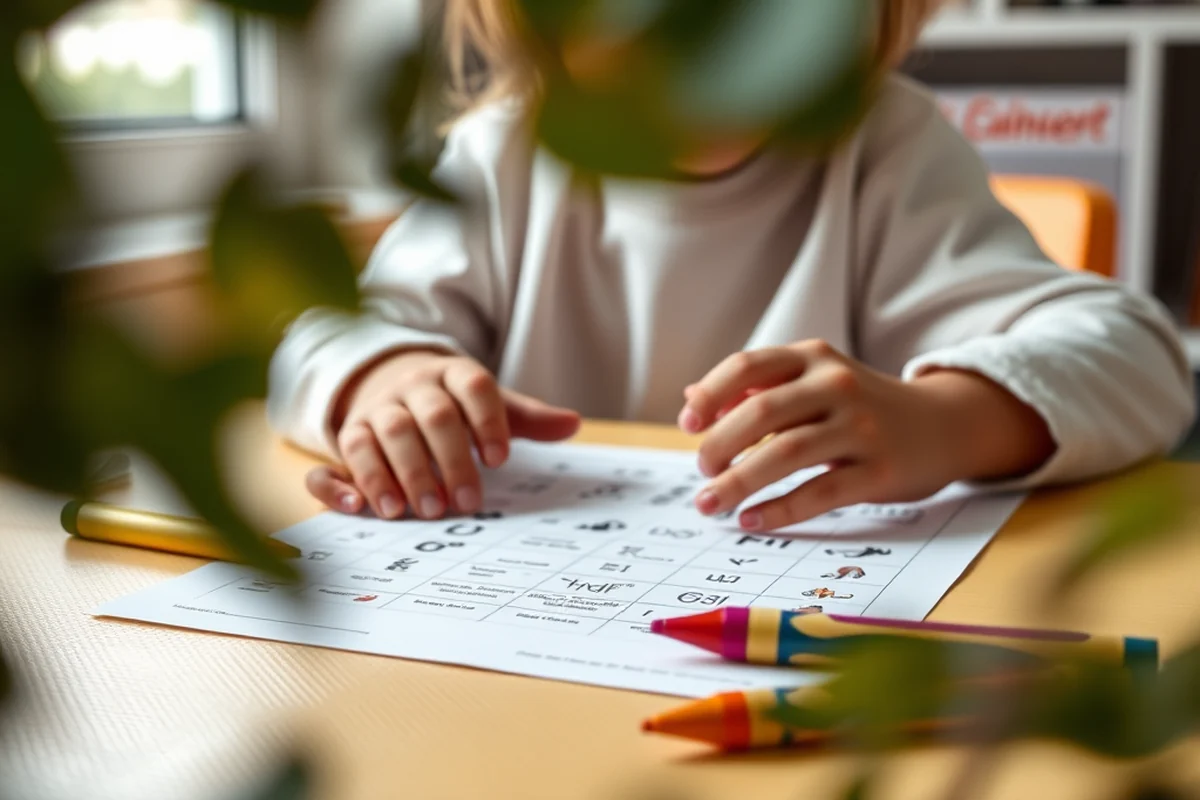
I once spent over $1,000 on a well-known curriculum for my daughter's first year of homeschooling. When I realized that the curriculum was too rigid and didn't adapt well to her learning pace, I was stuck with a costly investment. It was a wake-up call about the importance of flexibility and value alignment.[2]
Commercial curricula often come with hidden costs, such as access to online platforms that require an internet subscription or additional fees for updates. These costs can add up quickly, especially if you're not careful.
Now, I focus on a mix of free resources, open educational materials, and second-hand curricula that fit our needs. I save hundreds of dollars each year and have found that this approach is often just as effective — if not more so — than expensive commercial options.
Choose resources that align with your child's learning style and your family's values.
Related: Simple homeschool planning budget
Neglecting to Track Spending
At the start of my homeschool journey, I didn't keep a budget log. I just bought what I thought I needed and hoped it would last the year. When I looked back at the end of the year, I was surprised to see that I had spent over $2,000 on educational materials alone.[3]
Without tracking, it's easy to forget small expenses like printing supplies, online memberships, or even the cost of books. These things may seem insignificant at first, but they can add up to a significant amount over time.
Now, I use a simple spreadsheet to track all my homeschool expenses. It helps me stay within my budget and see exactly where my money is going. This practice has been one of the most valuable tools in my homeschooling journey.
Use a budgeting app or a simple spreadsheet to log all your homeschool-related costs. This will help you stay on track and avoid overspending.
“I remember the first time I sat down to plan a homeschool budget, thinking I had everything under control.”— Plannedathome editors
Related: Homeschool planning budget ideas
Ignoring the Cost of Field Trips and Enrichment Activities

I thought that field trips were a luxury I could skip if needed. But when my daughter asked to visit the science museum, I was unprepared for the cost. Tickets, transportation, and meal expenses quickly added up to over $100 for a single outing.
Enrichment activities like music lessons, sports programs, or coding classes also have a cost that can be easy to ignore. These are not just extra perks — they're important parts of a well-rounded education.
To avoid this mistake, I now include a line item in my budget specifically for field trips and enrichment activities. I also look for free or low-cost options whenever possible, like community events or library programs.
Related: Homeschool planning budget guide
Underestimating the Value of Free Resources
I used to think that quality education required expensive materials. I didn't realize that there were so many free resources available online, from lesson plans to educational videos. I wasted money on a few paid programs that I later found could be replaced with free alternatives.
By underutilizing free resources, I not only spent more money but also missed out on opportunities to engage with a wider range of learning materials. It was a lesson in being more resourceful and creative with what's available.
Now, I make a point to explore free educational websites, open courseware, and local library programs. These resources have become a cornerstone of our homeschooling experience, saving us both time and money.
🎨 Younger Kids Activity
Simple, hands-on activities that are perfect for toddlers and preschoolers.
📚 Older Kids Activity
More complex lessons and projects that are ideal for middle and high school students.
📄 No-Prep Activity
Ready-to-use materials that require no planning or preparation.
👥 Group Version
Activities designed for multiple children or families to do together.
🔍 Extension Activity
Advanced lessons and projects that can be used to expand on core concepts.
| The mistake | Why it happens | The fix |
|---|---|---|
| Not accounting for long-term costs | Failing to factor in ongoing expenses like software subscriptions, replacement materials, or field trips can lead to financial strain. | Create a multi-year budget that includes all ongoing costs and allocate funds for unexpected expenses. |
| Overinvesting in commercial curricula | Commercial curricula can be expensive and may not align with your child's learning style or your family's values. | Use a mix of free resources, open educational materials, and second-hand curricula that fit your needs and budget. |
| Neglecting to track spending | Without tracking, it's easy to forget small expenses that can add up quickly over time. | Use a budgeting app or a simple spreadsheet to log all your homeschool-related costs and stay within your budget. |
| Ignoring the cost of field trips and enrichment activities | Field trips and enrichment activities are often overlooked in homeschooling budgets, leading to unexpected expenses. | Include a line item in your budget specifically for field trips and enrichment activities and look for free or low-cost options. |
Related: Homeschool planning budget for beginners
Homeschool Planning Budget Mistakes To Avoid
Related: Budget homeschool planning printable
Underestimating the Impact of Inflation on Educational Materials
When I first started homeschooling, I assumed that the cost of books and supplies would remain stable. But after just three years, the prices of textbooks and educational tools had increased by nearly 15%. This caught me off guard, leading to unexpected expenses and a need to adjust my budget mid-year. Inflation isn’t just a macroeconomic concern—it directly affects the affordability of homeschooling materials. If you don’t factor in inflation, you risk underfunding your educational plan and compromising the quality of learning resources available to your child.
Overlooking the Hidden Costs of Curriculum Switching
Switching curricula mid-year can add unexpected expenses, from purchasing new materials to losing value on unused resources.
When I switched my son’s math curriculum halfway through the school year, I didn’t realize I’d need to buy a new set of workbooks, software licenses, and teacher guides, which added $250 to our budget. It’s easy to think that buying a new curriculum will solve learning gaps, but this approach often leads to wasted money and disrupted learning. I learned the hard way that sticking with a single, well-chosen curriculum for at least a year is more cost-effective and less stressful for both parents and children.
Failing to Factor in Time and Opportunity Costs
Many homeschoolers overlook the financial value of their own time and the potential income lost by not working.
When I first started homeschooling my two children, I didn’t consider how much money I was effectively earning by staying home. I assumed that the only costs were books and supplies, but I didn’t account for the fact that I was forgoing a full-time salary. Over the course of a year, this amounted to roughly $50,000 in lost income, which is a significant portion of any homeschooling budget. This oversight is common among parents who believe they are saving money by homeschooling, but they’re not factoring in the true cost of their time.
Underestimating the Cost of Technology and Devices
Many homeschoolers overlook the need for reliable technology and devices, which can quickly add up.
When I first started homeschooling my two children, I assumed we would get by with just one laptop and a few basic apps. But within a year, I found myself needing tablets for my younger child, a second laptop for my older one, and a dedicated printer for assignments and projects. The cost of these items was about $1,200, which was a significant surprise. It's easy to forget that educational software, online courses, and digital textbooks often require specific hardware to function properly, especially for younger students who may not have the fine motor skills to type efficiently.
I also underestimated the need for accessories like external keyboards, styluses, and even a backup router. These small purchases can add up over time, especially when you need multiple devices for different age groups or learning styles. For example, I had to buy a stylus for my child who was doing a lot of drawing and interactive math apps. This cost an additional $75, and I hadn’t planned for it in my initial budget.
Another hidden expense I encountered was the cost of internet upgrades. As my kids started participating in more video-based classes and collaborative projects, our internet usage increased dramatically. We had to upgrade from a basic plan to a high-speed one, which cost an extra $30 per month. This is an expense that is often overlooked but can be a recurring cost over several years. Planning for these technological needs early on can help avoid financial strain later.
Common Questions
How can I reduce my homeschooling costs without sacrificing quality?
What are some of the most expensive parts of homeschooling?
How can I track my homeschool expenses effectively?
Are there any long-term planning strategies for homeschooling budgets?
References
- Distance Learning Instruction Planning Guidance (cde.ca.gov)
- Education Committee - JOINT FAVORABLE REPORT - CGA.ct.gov (cga.ct.gov)
- Education Savings Accounts: Program Evaluation (comptroller.tn.gov)
Cite this guide
Plannedathome (2026). Homeschool Planning Budget Mistakes To Avoid. https://plannedathome.com/homeschool-planning-budget-mistakes-to-avoid/
Feel free to cite or share this guide.
Homeschool Week Planner
Daily homeschool schedule with subject minutes by grade band.
Open it free →